
Last updated November 4, 2026
 Sweep & inspection
 Caps & crowns
 Flue relining
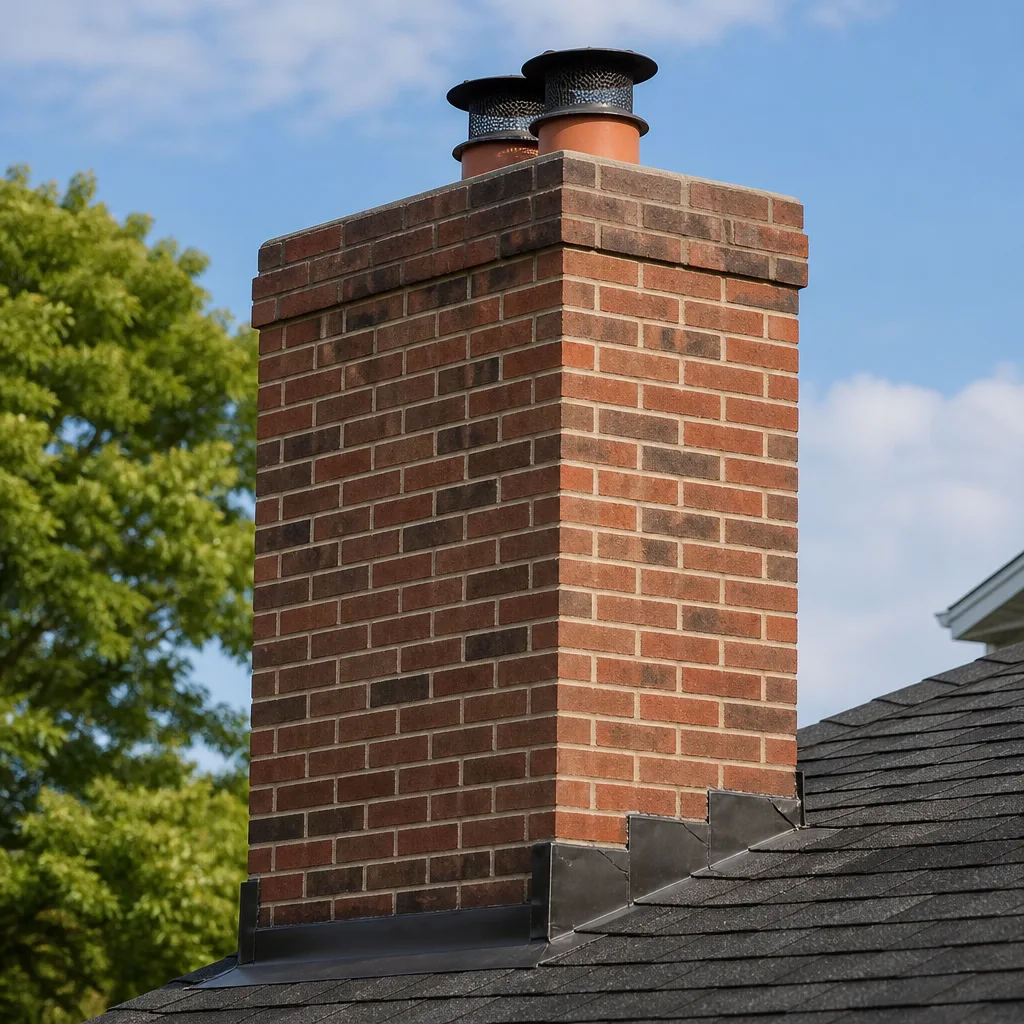 Masonry repair
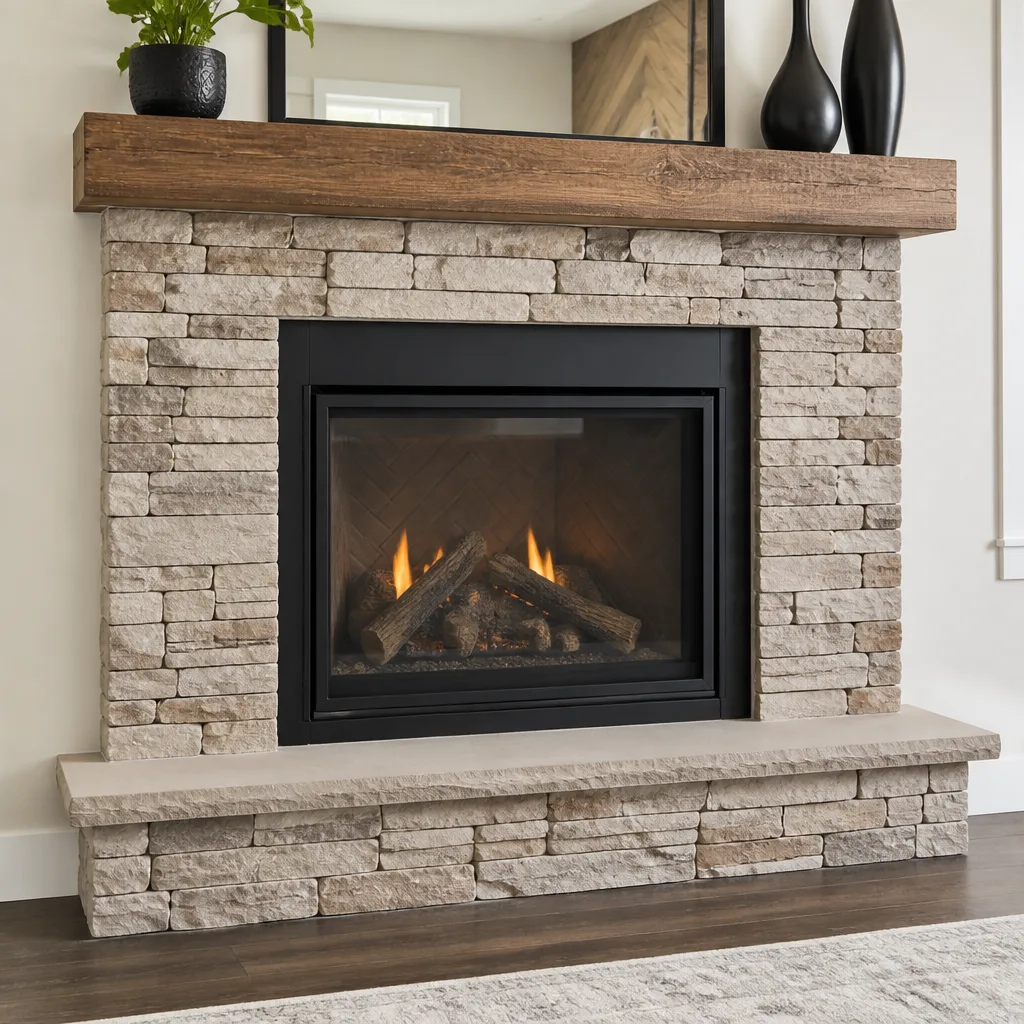 Gas fireplace service
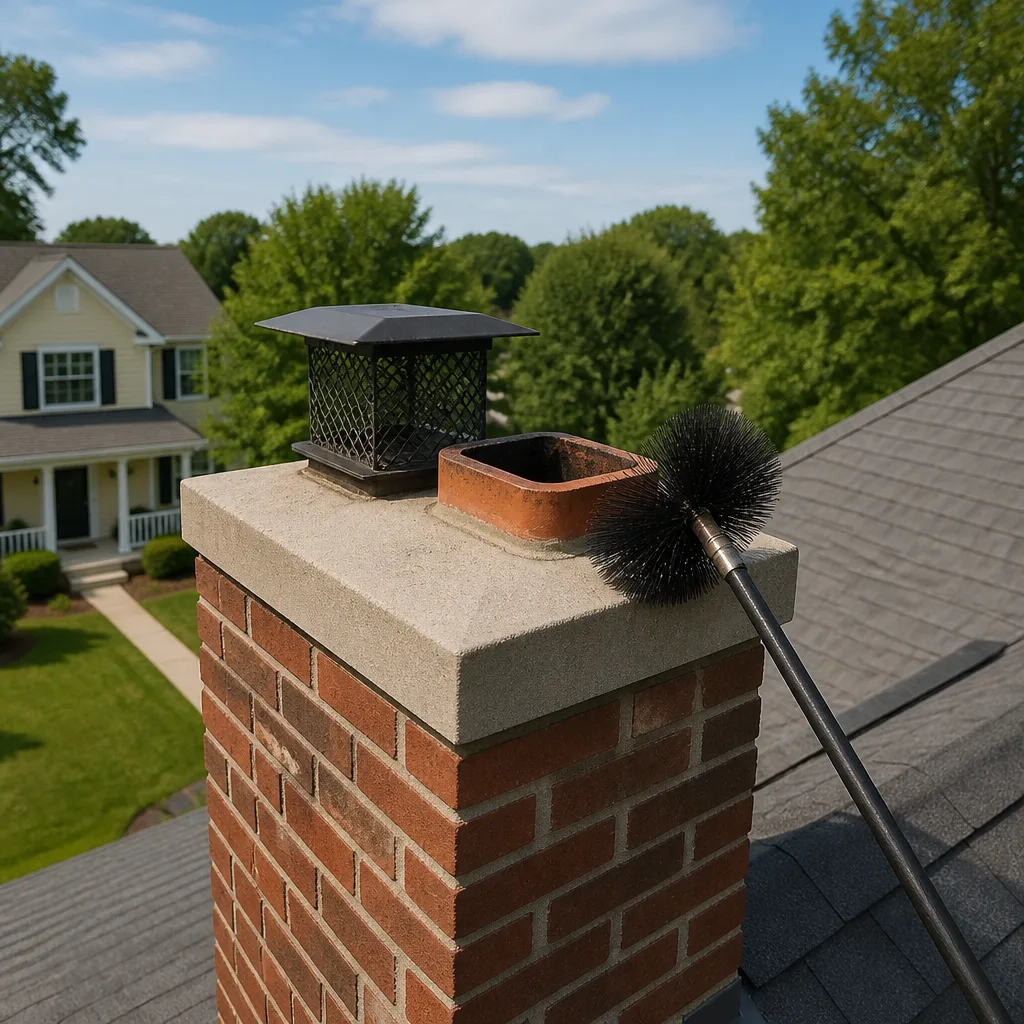
Level 1 sweep and inspection to the NFPA 211 annual standard - flue, crown, cap, and flashing checked and photographed
Chimney sweep logs do not sweep chimneys. They loosen some creosote - which then falls where a brush and vacuum still have to collect it.
Chimney Cleaning Warning Signs: A Perris Homeowner’s Reference Guide
A smoky smell in your living room on a hot July afternoon in Perris, when no fire has been lit for months, is not a minor nuisance. It’s a pressure problem. The hot air outside rises, the cooler air inside your house sinks, and your chimney becomes a straw pulling air down through the flue. If the flue is coated with creosote or has a failing liner, that air carries combustion byproducts right into your home. Most homeowners dismiss the smell. They open a window, run a fan, and forget about it. But that odor is the chimney telling you something specific about its condition. This guide teaches you how to read those signals before they become a fire or a carbon monoxide event.
Quick Answer
The warning signs that a chimney needs cleaning or repair fall into four categories: odors at rest, visible deposits or damage, draft problems when burning, and symptoms specific to gas appliances. Any single strong indicator means a professional chimney sweep should inspect the system. Several signs together, or any sign of smoke entering the living space, means stop using the fireplace until a technician has evaluated it.
Styles & brands we work with
- Sweep & inspection
- Caps & crowns
- Flue relining
- Masonry repair
- Gas fireplace service
Table of Contents
- Smell-Based Diagnostics: What Each Odor Tells You
- Visual Warning Signs Ranked by Urgency
- Draft and Smoke Behavior: Reading Back-Puffing and Slow Draw
- Warning Signs Specific to Gas Fireplace Inserts and Factory-Built Units
- The Stop-Use Threshold: Don’t Light Another Fire If You See These
- Why Chimney Warning Signs Show Up Differently in Perris
- A Related Warning Sign: Dryer Vent Blockage
- What Happens During a Warning-Sign Inspection
- Common Mistakes to Avoid
- When to Call a Professional
- Frequently Asked Questions
Smell-Based Diagnostics: What Each Odor Tells You
Odors are the most common early warning sign that Perris homeowners notice, often before any visual problem is apparent. Each distinct smell points to a different underlying condition. You don’t need to be a technician to distinguish them. You just need to pay attention and connect the scent to its likely source.
The white vinegar smell
A sharp, acidic smell that reminds you of vinegar or acetic acid usually indicates moisture mixing with creosote. Creosote is the tarry residue left behind by wood combustion. When it combines with water, the chemical reaction produces a sour, pungent odor. In Perris, this can happen after a rare heavy rain penetrates a cracked chimney crown or damaged cap. It can also occur when warm daytime air hits a flue that cooled overnight, creating condensation inside the flue. That moisture interacts with existing creosote deposits and produces the vinegar smell. If you smell this, the chimney has creosote buildup that is wet. Wet creosote is heavier, stickier, and more volatile than dry creosote. It needs to be removed, and the moisture source addressed.
The campfire odor at rest
When you smell a pleasant campfire or barbecue scent in the room with no fire lit, that’s creosote off-gassing. It’s most noticeable on hot days, which Perris has plenty of from June through September. The heat causes accumulated creosote inside the flue to release volatile compounds, and those compounds drift into the home. This is the mildest warning sign on this list, but it’s still a warning. It means the flue has enough creosote to produce detectable odor, which means the creosote layer is no longer negligible. A thin film doesn’t smell. A noticeable distance smell means a measurable buildup has formed. If the odor intensifies on humid days, the creosote may be absorbing moisture, which accelerates flue deterioration.
Sulfur or metallic notes
A sulfur smell, like rotten eggs or a struck match, points to combustion gases. In a wood-burning fireplace, sulfur compounds are present in the smoke. When the flue is drawing properly, those gases go up and out. When you smell sulfur indoors, the system is not venting completely. This can be caused by a partially blocked flue, a damper that’s stuck partly closed, or negative pressure in the house competing with the chimney draft. A metallic smell is subtler and often accompanies a liner that’s failing, especially in older masonry chimneys where the clay tiles have cracked. A cracked flue liner allows combustion gases to seep into the chimney cavity and then into interior walls or living space. Both sulfur and metallic odors are serious. If you smell either one, don’t light another fire.
Visual Warning Signs Ranked by Urgency
Visual signs are what we look for first during an inspection, because the flue interior tells a story no odor can fully describe. When homeowners in Perris call about a concern, we walk them through what we see and rank findings by how quickly action is needed. Here is that ranking, from the least urgent to the most urgent.
- White efflorescence on exterior brick. This white, powdery coating appears when water moves through masonry and deposits mineral salts on the surface. It’s cosmetic at first, but it tells you water is moving through the chimney structure. Left unaddressed, the moisture path shows where future spalling will occur.
- Rusted damper or firebox components. Rust means the firebox area has been getting wet. A rusted damper often seizes up or cracks, which affects your ability to control airflow. It points to a water entry issue at the top or through the masonry joints.
- Black oily staining in the firebox. Unlike dry black soot that wipes away, oily or shiny black stains indicate wet tar-like creosote. This is stage two creosote. It’s flammable at lower temperatures than dry creosote and far harder to remove with a basic sweeping. It requires mechanical cleaning and possibly chemical treatment.
- Spalling brick. Spalling is when the brick face flakes off, chips, or falls away in chunks. It means water has entered the brick, expanded, and is breaking the masonry apart from within. In Perris, this doesn’t come from freeze-thaw cycling, but from the brick holding moisture and deteriorating over time with repeated heat and cooling cycles. Spalled brick is a structural concern, not a cosmetic one.
- Cracked or missing chimney cap. Without a cap, the flue is open to rain, debris, birds, and embers. A cracked flue tile means combustion gases can leak into the home’s structure. Combine both, and you have an urgent situation.
Any of these visual signs warrants an inspection. The last two on the list mean you should stop using the fireplace and make the call immediately.
Draft and Smoke Behavior: Reading Back-Puffing and Slow Draw
Draft is the engine that makes a chimney work. When the draft behaves oddly, it’s the system signaling that something has changed inside the flue or in the way air moves through your house. Perris homes have a range of construction types, from older ranch houses to newer builds with tighter building envelopes. Newer homes are often more air-sealed, which affects chimney draft in ways older homes don’t experience.
Back-puffing
Back-puffing is a short puff of smoke that comes out of the fireplace opening into the room, usually when the fire is first lit or when a door opens. It happens because the chimney has not yet established a strong upward draft, so the flue gases are pushed back by air pressure in the room. Occasional back-puffing during startup is common. Persistent back-puffing throughout the burn means the flue is too cold, too short, too dirty, or the home has a negative pressure problem. In the Perris area, back-puffing is especially common on days with little wind and high ambient heat, because the temperature differential between inside and outside is minimal and the draft never gets going the way it does on a cold winter evening.
Slow draw
Slow draw means the fire burns, but instead of a brisk, clean pull of air up the flue, the smoke hangs and lingers near the firebox before slowly drifting upward. It signals a restricted or inadequate flue. Common causes include creosote accumulation narrowing the flue diameter, a damper not fully opening, debris, or an improperly sized flue for the appliance. In masonry chimneys, a cracked liner can also create slow draw by allowing cold air to enter the flue and interrupt the thermal draft. If smoke is taking its time to leave the firebox, the system is working harder than it should be, and the time between cleanings is likely shortening.
Smoke entering the room during normal burning
This is the most definitive draft warning sign. Smoke in the living space means the flue is not doing its job. Period. It doesn’t matter if the fire is small or the wood is dry. When smoke enters the room, combustion gases including carbon monoxide are entering the room too. Stop using the fireplace, open windows for ventilation if smoke has built up, and call for an inspection. This sign is often accompanied by visible staining above the fireplace opening, a sign that small amounts of smoke have been getting into the room for a while.
Warning Signs Specific to Gas Fireplace Inserts and Factory-Built Units
Gas fireplaces and factory-built units come with a distinct set of warning signs that differ meaningfully from traditional masonry fireplaces. The signs are more subtle, and they can be easier to miss because gas flames burn cleaner and don’t produce the same volume of visible smoke. But gas appliances carry their own serious risks, including carbon monoxide exposure.
Soot buildup on the glass or logs
A properly burning gas fireplace leaves minimal residue. If you see black soot accumulating on the glass front, around the logs, or on the surround, the burner is not combusting cleanly. This can mean the air-to-fuel ratio is off, the burner ports are clogged, or the venting is restricted. Restricted venting in a gas fireplace is a carbon monoxide risk. Soot on the glass is the closest thing a gas fireplace has to a smoke signal. Don’t wipe it off and ignore it. It will return until the combustion problem is addressed.
A lazy yellow flame instead of a crisp blue one
Gas flames should burn blue with yellow tips. A flame that burns predominantly yellow, orange, or flickers lazily is not getting enough combustion air or is burning impurities. This points to a venting or burner problem. It also creates more soot and produces more carbon monoxide. If you notice the flame color shifting over time, pay attention. That change is the unit communicating.
Strange odors when the unit is running
Gas fireplaces can smell like burning dust or lint when first fired for the season, which is normal and usually resolves quickly. But a persistent chemical smell, a sharp metallic odor, or any odor that reminds you of exhaust is not normal. It means combustion gases are escaping into the room. Turn the unit off and don’t run it again until it has been inspected.
Factory-built fireplaces
Factory-built fireplaces, also called prefabricated or zero-clearance units, have specific venting components that can rust, warp, or separate over time. Metal components expand and contract with heat, and after many burn cycles, joints can loosen. If you notice white rust on the exposed vent sections or water stains on the ceiling near the chase, the unit’s venting system needs attention. A factory-built fireplace that’s been pushed past its service life can fail at the connection points. The signs to watch for are warped louvers, cracked refractory panels inside the firebox, and any sign of staining at the top of the chase.
The Stop-Use Threshold: Don’t Light Another Fire If You See These
Some warning signs call for an inspection when convenient. Others call for shutting the system down until a technician has evaluated it. We tell homeowners in Perris directly: if any of these are present, don’t light another fire until a chimney sweep has been there.
- Smoke entering the living space during any part of the burn. This means combustion gases are entering the home. It’s the clearest possible signal to stop.
- Any sulfur or rotten-egg odor while the fireplace is in use. Combustion gases are not venting correctly. Shut it down and ventilate.
- Visible flame or ember exiting the chimney top. This is an active chimney fire in progress. Call 911, then call for an inspection once the fire department has cleared the scene.
- Black oily staining running down the firebox walls. Wet creosote at that concentration is highly flammable and indicates the flue is heavily laden.
- Cracked or missing flue tiles visible from the top of the chimney. A breached flue liner allows gases into the chimney cavity and possibly into the house.
- A rusted-through damper or firebox panel. Structural failure of the firebox means heat and gases can reach combustible materials behind the masonry.
- A loud roar coming from the chimney during a fire. This is the sound of a chimney fire burning hard. It often sounds like a passing freight train. Evacuate and call 911.
These are not signs to watch for a while. They are signs to act on now. The cost of an inspection pales against what happens when these warnings are ignored.
Why Chimney Warning Signs Show Up Differently in Perris
Chimney problems don’t present the same way in every climate. Perris sits in the inland Southern California region, where the weather is hot and dry through much of the year. That changes what homeowners see and smell, and it changes the timeline on which problems develop.
First, the heat. Perris routinely sees summer temperatures above 95 degrees. That heat intensifies the off-gassing of creosote inside a dirty flue, which means the campfire odor at rest is more noticeable here than it is in cooler climates. The same creosote layer that might sit quietly in a mild coastal climate actively releases odor in a Perris summer.
Second, the dryness. Creosote in a very dry flue can harden into a glazed, tar-like layer faster than it does where humidity is higher. Dry creosote is harder to remove and burns hotter, which shortens the window between “needs cleaning” and “is dangerous.” A homeowner in Perris who notices a subtle odor in spring shouldn’t wait until fall to address it. By the time burning season arrives, the problem has had all summer to bake in.
Third, the wind. The Santa Ana winds that move through the Inland Empire create strong, shifting air pressure around chimneys. Those winds can disrupt chimney draft, causing back-puffing episodes that seem random. They can also pull more air from the house than the flue can supply, creating negative pressure that draws odors into the living space more strongly than on calm days.
Fourth, the construction type. Many homes in Perris were built during the inland housing expansion of the 1980s and 1990s, with a mix of masonry fireplaces in older sections and factory-built units in newer developments. Each type ages differently and produces different warning signs, which is why the diagnostic process has to fit the specific chimney system in the house.
A Related Warning Sign: Dryer Vent Blockage
We spend a lot of time talking about chimneys, but the same homeowner who circulates air through a fireplace usually has another appliance pushing air through a vent: the clothes dryer. A blocked dryer vent produces its own warning signs, and they show up in ways that are easy to misread.
The most common sign is longer drying times. If a standard load that used to dry in 45 minutes suddenly takes 70 minutes, the vent is losing airflow. The dryer still heats, but the moisture and lint have nowhere to go. The next sign is a burning smell while the dryer runs. That’s lint or dust being superheated near the dryer cabinet. You may also notice the outside vent flap not opening when the dryer is running, which means airflow is too weak to push it open.
The danger is distinct from chimney fires but no less serious. Dryer lint is drier and finer than creosote, and it ignites easily when exposed to high heat. Dryer vent cleaning is the most direct prevention for this. If you’re addressing chimney warning signs in your Perris home, assess the dryer vent in the same visit. The two systems share a common failure mode: restricted airflow causing flammable buildup. Both fire risks, one call.
What Happens During a Warning-Sign Inspection
When a homeowner in Perris calls us about a smell, a damp spot, or smoke behavior, the inspection we do is not a five-minute glance. It’s a systematic check from the firebox to the cap.
- Interior inspection of the flue. We run a camera up the flue to see the condition of the liner, the presence and thickness of creosote, the damper condition, and any obstructions. The camera report becomes the evidence for whatever we recommend. Nothing gets recommended without showing you the image.
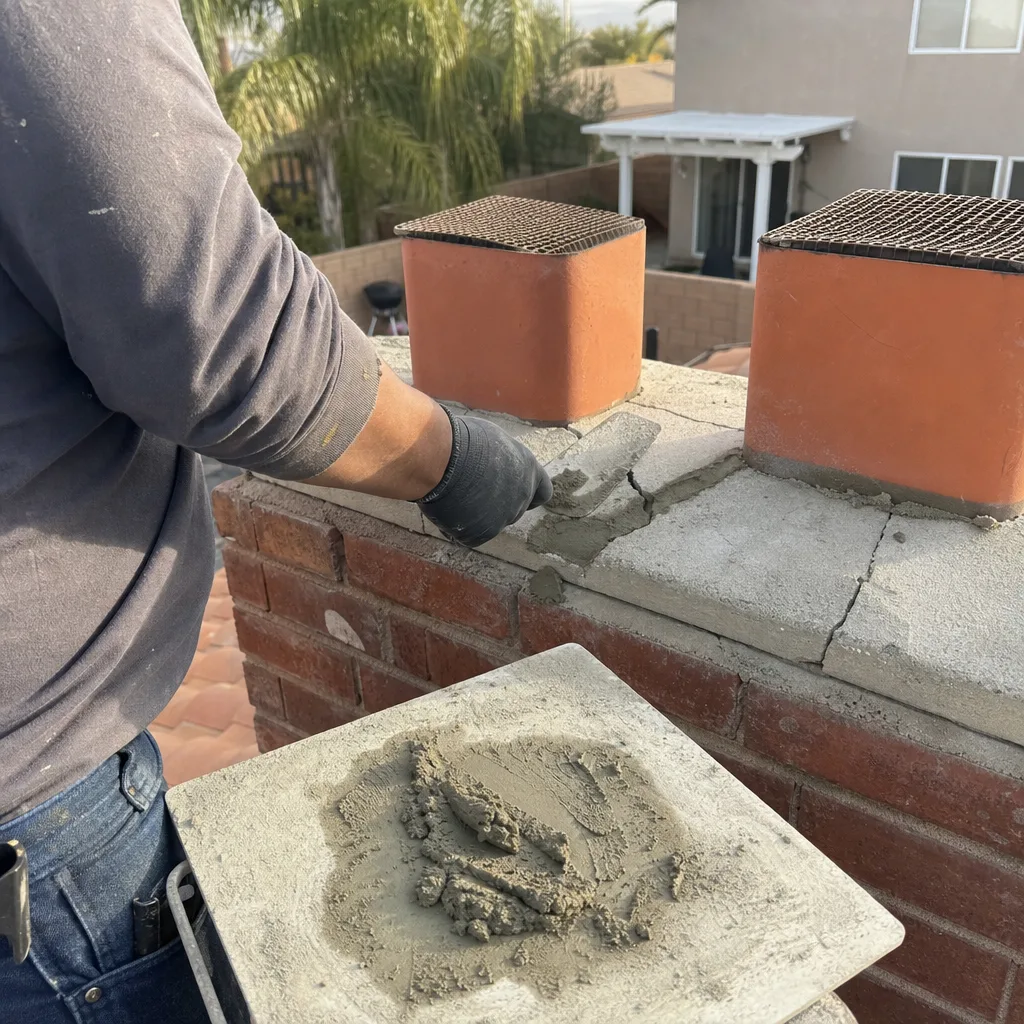
- Exterior inspection of the masonry and cap. We look at the brick face, the mortar joints, the crown, and the cap. We check for water entry points that explain the odors or staining you’ve been seeing.
- Draft assessment. We evaluate the flue size and height relative to the firebox opening, and we check for mechanical issues in the damper that could be causing back-puffing or slow draw.
- Appliance check for gas units. For gas inserts and factory-built fireplaces, we inspect the burner, the venting components, and the unit’s clearances.
After the inspection, you get a written report and a plain-language explanation of what needs to happen. If the system is safe to use, we tell you that. If it needs cleaning, we schedule it. If it needs repair, we explain the options, including HeatShield resurfacing for a compromised liner or DuraFlex relining where the flue can’t support a rigid liner. The repair tools we carry mean that most findings can be addressed on the same visit rather than requiring a second contractor. We tell you what we find, then give you options.
Common Mistakes to Avoid
- Masking the odor instead of investigating it. Running a fan or opening a window doesn’t change what’s inside the flue. If a campfire smell appears in your Perris home on a hot day, the source is the chimney, not the weather.
- Cleaning only the firebox and assuming the flue is fine. The visible part of the firebox is a small fraction of the system. The flue interior is where the creosote accumulates and where the dangerous buildup lives. A clean firebox means nothing about the flue condition.
- Ignoring a gas fireplace’s soot on the glass. Many homeowners assume soot on a gas unit is normal. It isn’t. It’s a sign of incomplete combustion, and it warrants a professional look rather than another glass cleaning.
- Delaying a repair because the fireplace still “works.” A cracked liner doesn’t always produce visible smoke. The fireplace burns, the draft seems okay, but gases are leaking into places you can’t see. The absence of smoke doesn’t mean the system is sound.
- Waiting until fall to address a summer warning sign. The Perris summer is the worst time of year for creosote to sit unaddressed. The heat accelerates the deterioration and the odor. A sign noticed in June should be inspected in June, not October.
- Assuming a newer house doesn’t need chimney service. Factory-built fireplaces in newer Perris developments have their own vulnerabilities, including vent joints that loosen and chase tops that leak. Newer doesn’t mean maintenance-free.
- Treating chimney cleaning as a luxury rather than a maintenance item. A fireplace or a dryer vent is a system that accumulates combustible material with every use. Cleaning it is not optional. It’s what keeps the system from becoming a fire source.
When to Call a Professional
Call when you notice any of the signs in this guide and you can’t explain them away with an obvious benign cause. A faint campfire smell on a hot day is a reason to call. Smoke entering the room during a fire is an immediate reason to stop using the fireplace and call. Soot on gas fireplace glass, a damper that won’t seal fully, a chimney cap that’s missing, or brick that’s flaking are all reasons to get a professional assessment. Don’t guess, and don’t wait for the problem to announce itself more forcefully. The point of reading warning signs is to catch them early. Chimney Sweep Perris offers free estimates in Perris. Call (833) 593-5414. We answer 24/7. Fast dispatch from 7am to 7pm, Sunday through Friday.
Frequently Asked Questions
A standard chimney sweep and inspection in Perris typically runs between $180 and $350 depending on the flue condition, the amount of creosote, and whether the system has been cleaned recently. Heavily glazed creosote or a flue that hasn’t been serviced in years will push the price toward the upper end of that range or beyond because it takes more time and mechanical removal. The written estimate we give before the work sets the final price; there’s no surprise charge after the fact. Call (833) 593-5414 for an exact quote. Estimates are free.
A wood-burning fireplace should be swept at least once per year under normal use, and more often if the home burns green wood, fires burn smoldering rather than hot, or the fireplace sees frequent use through the winter. Gas fireplace systems can go longer between cleanings but should be inspected annually and swept when soot begins to accumulate. The old rule of thumb about cleaning after every cord or every two cords of wood still holds, but most Perris homeowners find an annual schedule is the easiest to remember and the safest baseline.
Creosote keeps accumulating every time you burn, and the flue diameter gradually narrows. You’ll notice slower draft, more back-puffing, and eventually stronger odors. The creosote layer can become thick enough to ignite under normal chimney temperatures, which is what produces a chimney fire. Even short of a fire, a heavily coated flue accelerates liner deterioration because creosote is acidic. The firebox and damper corrode faster. The system that could have been maintained with a simple sweep eventually needs liner repair or replacement.
Yes. A gas fireplace produces carbon monoxide with every burn, and the venting system is what carries it out. Burners clog, soot builds, vent connections loosen, and all of these interfere with that venting. A gas fireplace that hasn’t been inspected in years may be running with a partially blocked vent. The homeowner wouldn’t smell it because carbon monoxide is odorless. That’s exactly why professional inspection matters. Call (833) 593-5414 and we’ll have a technician check the burner, the venting, and the unit’s safety systems.
What you’re smelling is creosote off-gassing through the flue. The odor itself isn’t immediately dangerous, but the condition behind it is a warning. It means the flue has accumulated enough creosote to produce detectable vapor. That creosote is sitting inside the flue through the hottest months of the Perris year, hardening and becoming more difficult to remove with each passing week. If it progresses to an oily, glazed stage, the fire risk goes up substantially. An inspection now is far cheaper than ignoring it. Call (833) 593-5414 for a free estimate. We answer 24/7.
Flaking brick faces, called spalling, means water has been moving through the masonry and the brick is deteriorating from the inside. It’s not a cosmetic concern. Spalling weakens the chimney structure, and the same water path that caused the spalling is likely reaching the flue liner, the damper, or the firebox. A spalling chimney often needs brick repair or replacement, along with a fix for whatever let the water in, usually a failing cap or deteriorated mortar joints. The repair scope is specific to the damage. We inspect it, show you exactly what’s happening, and lay out the options from targeted brick work to a full rebuild if the damage demands it.
The Bottom Line
Chimney warning signs are readable if you know what you’re looking at. A vinegar smell points to moisture in the creosote. A campfire odor at rest points to off-gassing buildup. Sulfur or metallic notes point to venting failure. Spalling brick points to structural water damage. Smoke in the room points to an immediate stop-use condition. None of these signs resolve themselves. The Perris climate accelerates what creosote does inside a flue, which means waiting on a warning sign is more costly here than in cooler, wetter places. If your chimney has been communicating with you through an odor, a stain, or a draft problem, read the signal, and call a professional who can tell you exactly what’s going on. You already know the number.
Written by the team at Chimney Sweep Perris, serving Perris since 2013.
See the difference
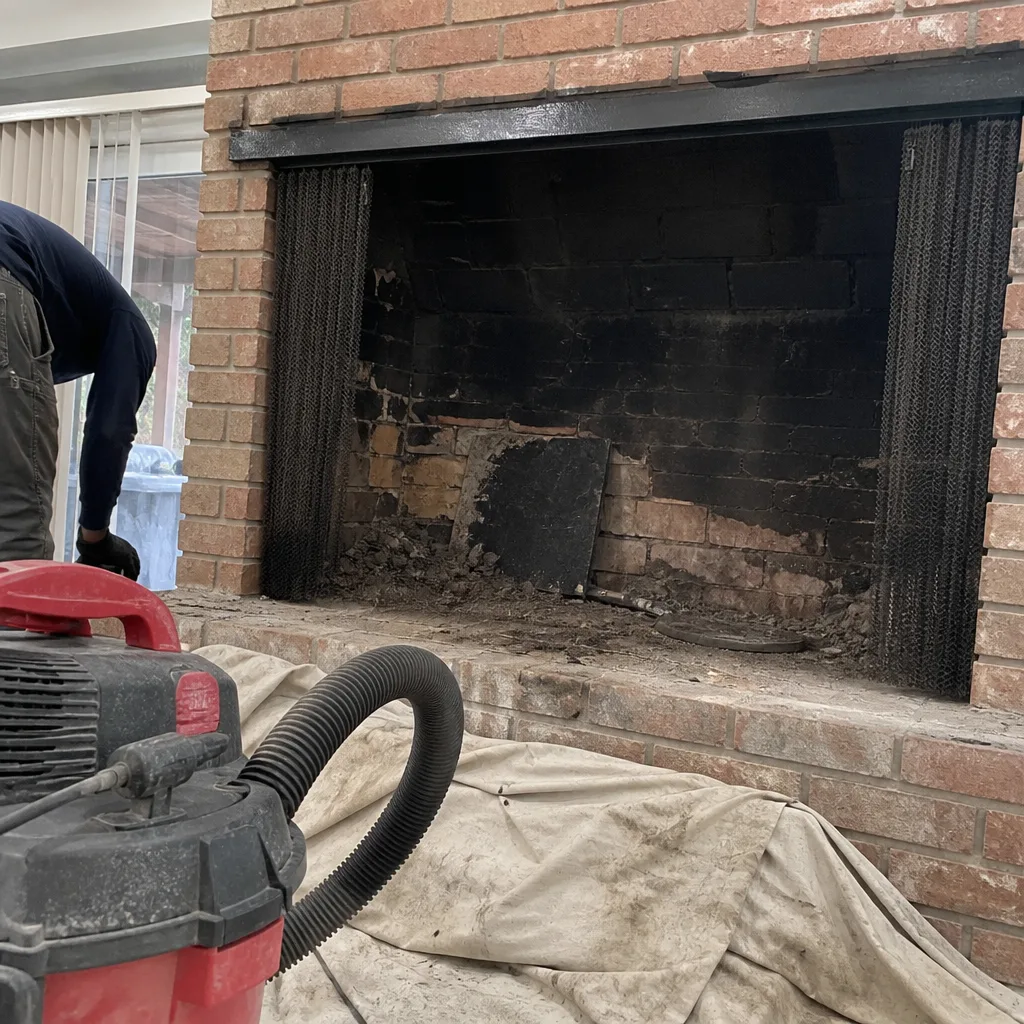 Before
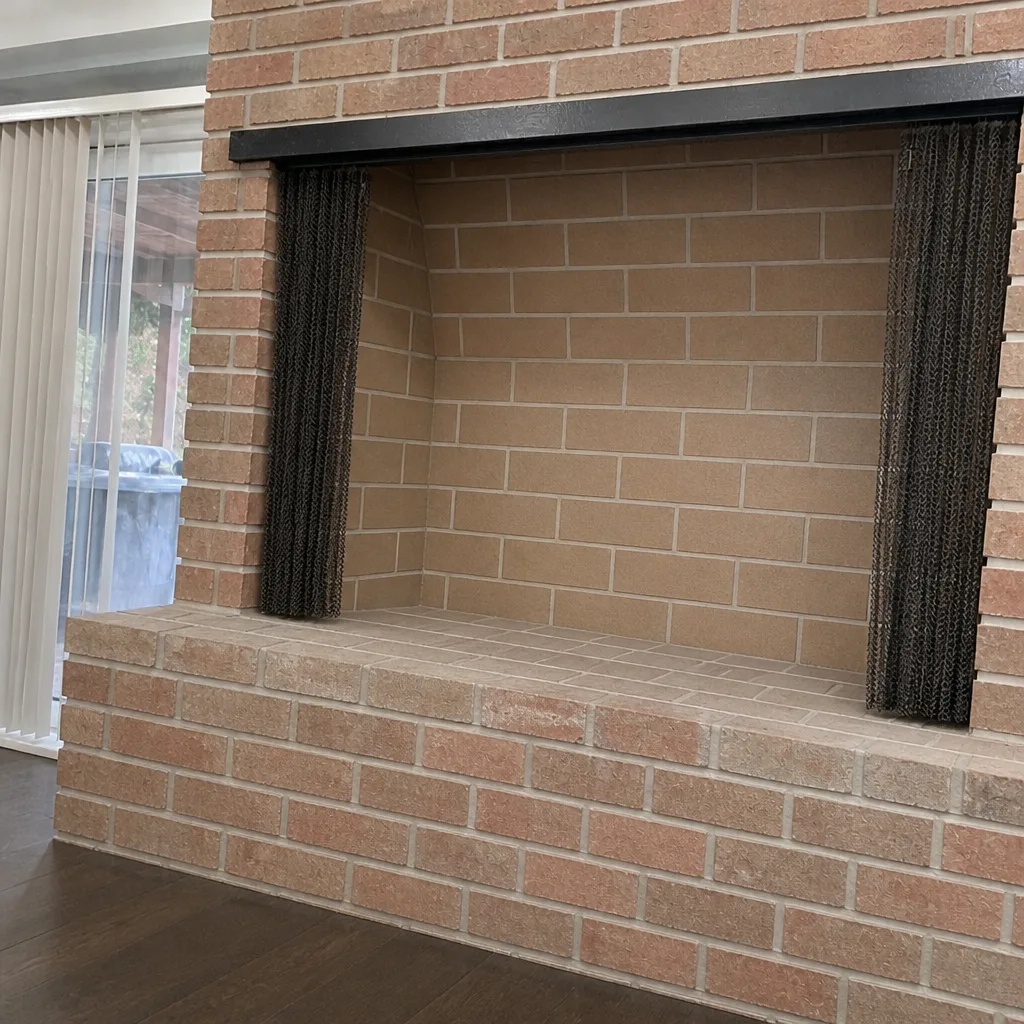 After
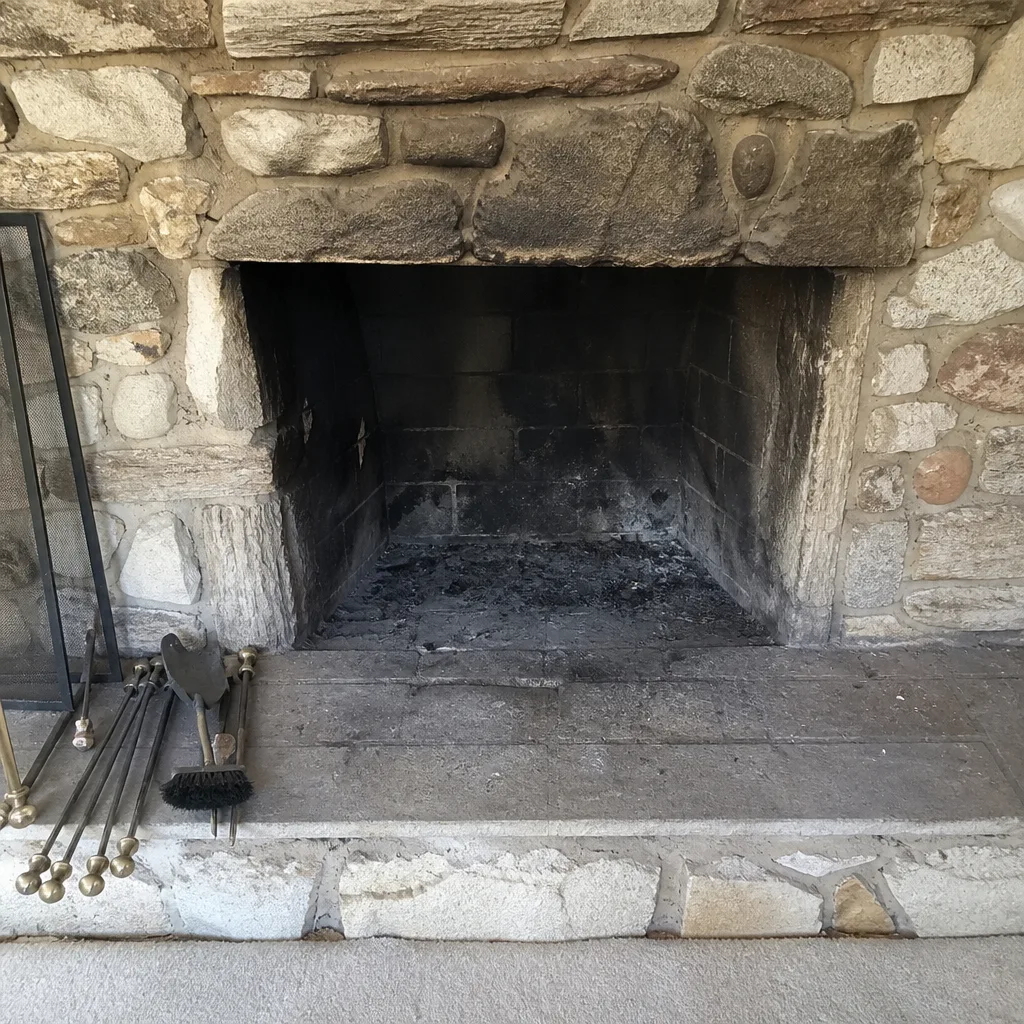 Before
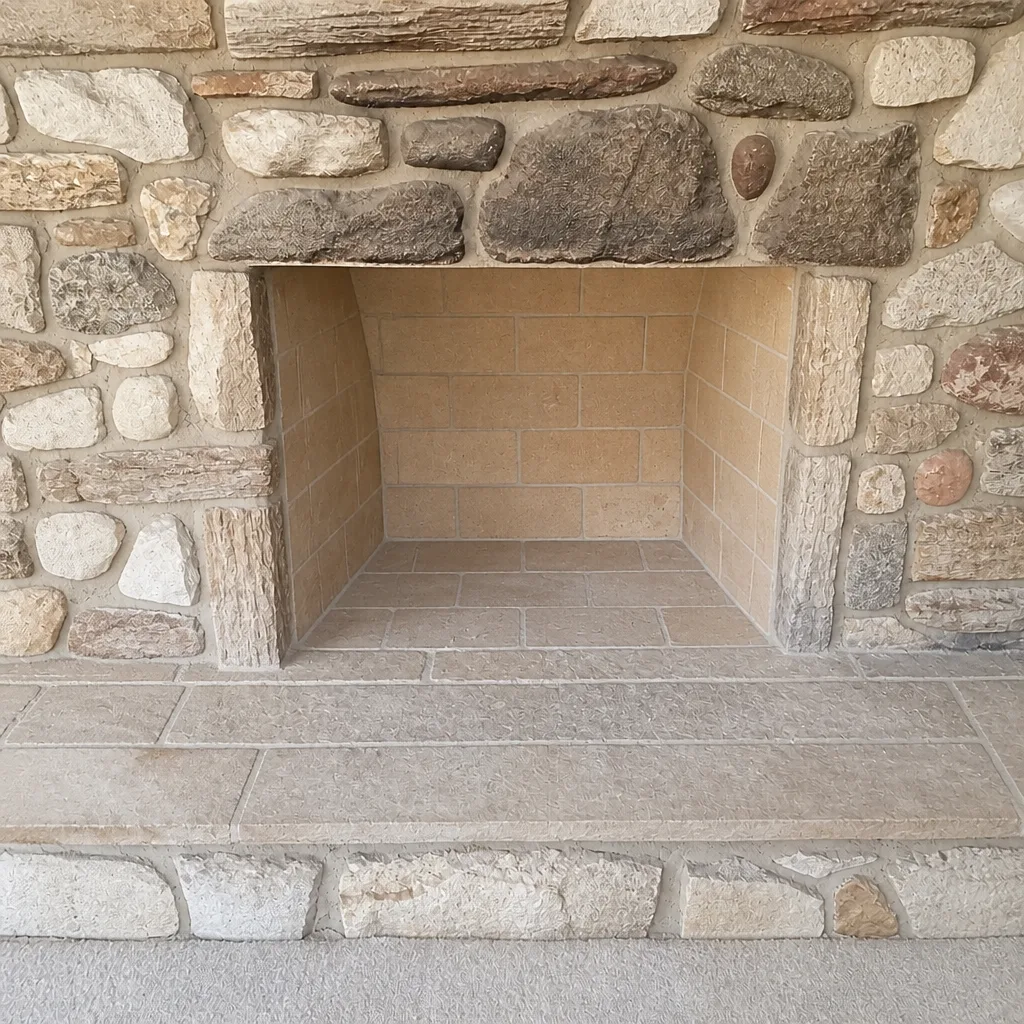 After
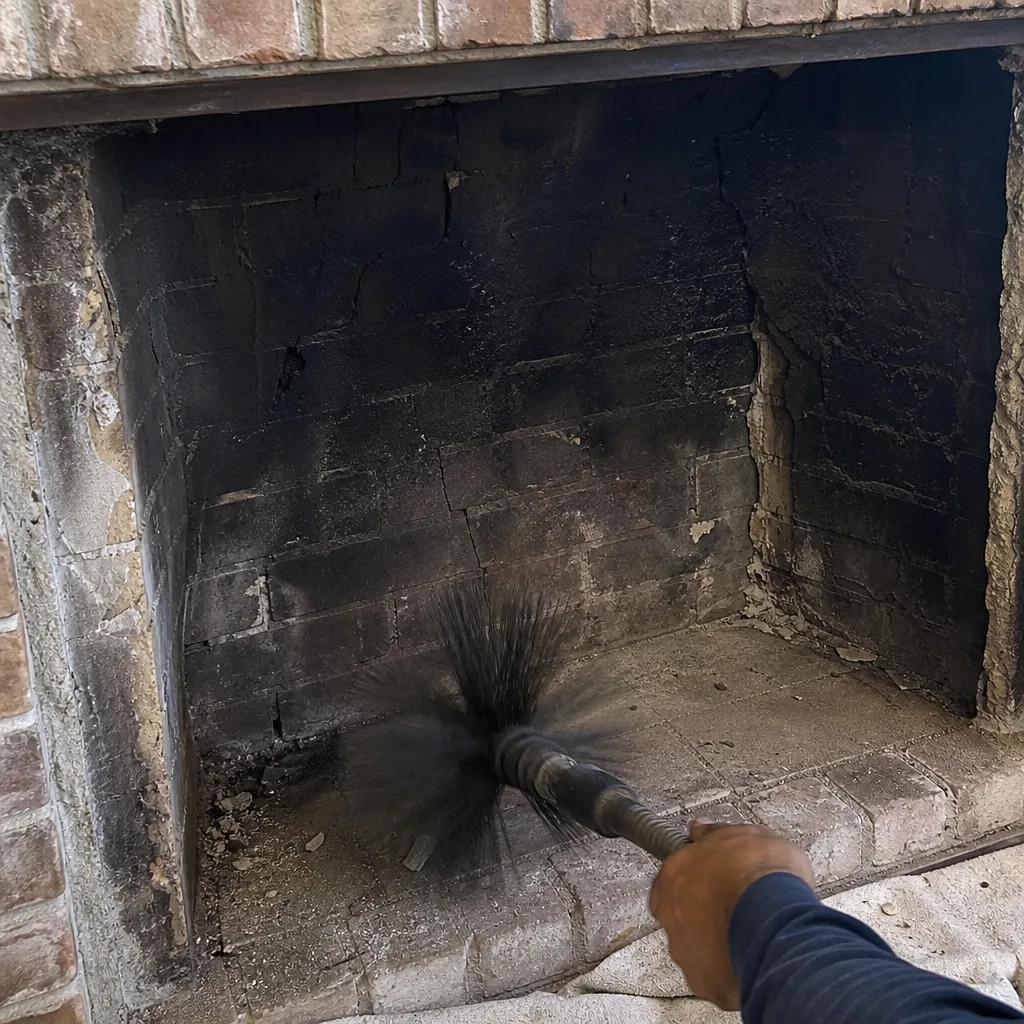 Before
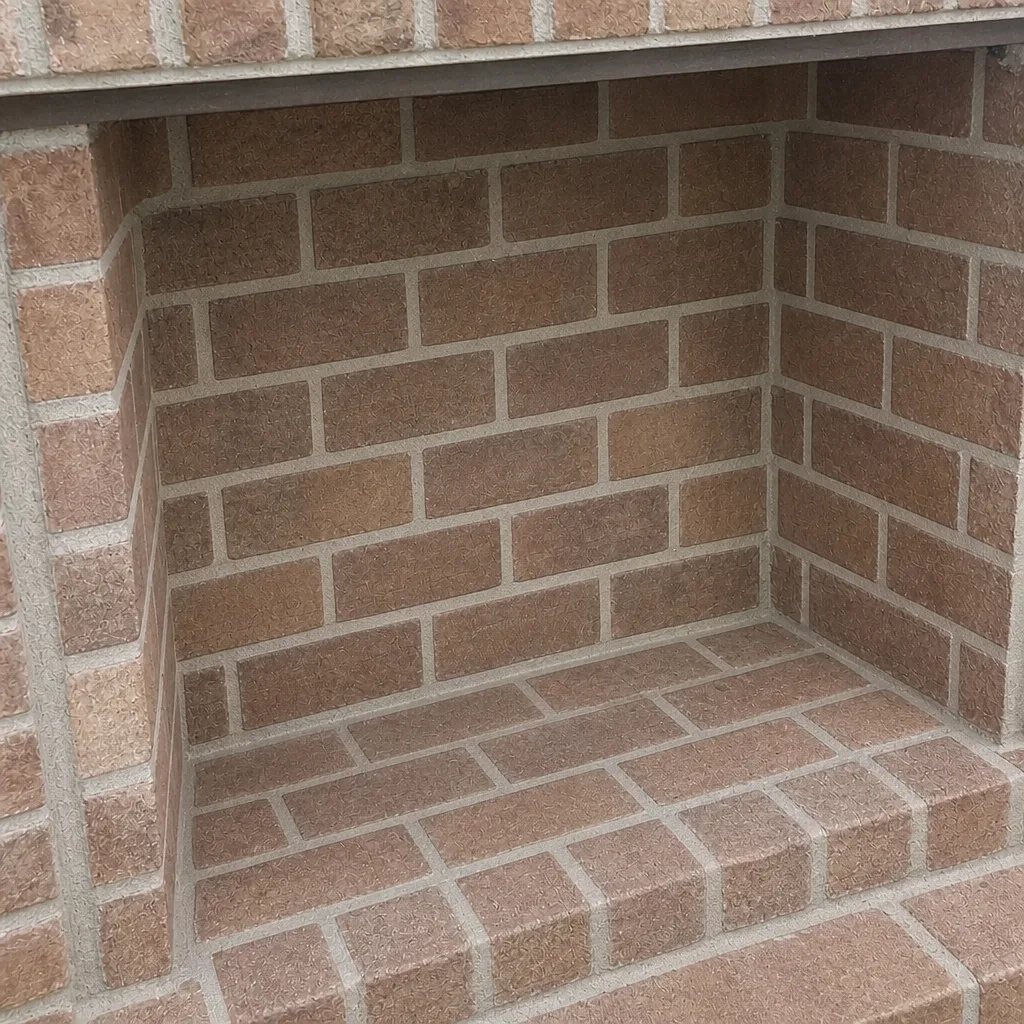 After