
Last updated November 4, 2026
 Sweep & inspection
 Caps & crowns
 Flue relining
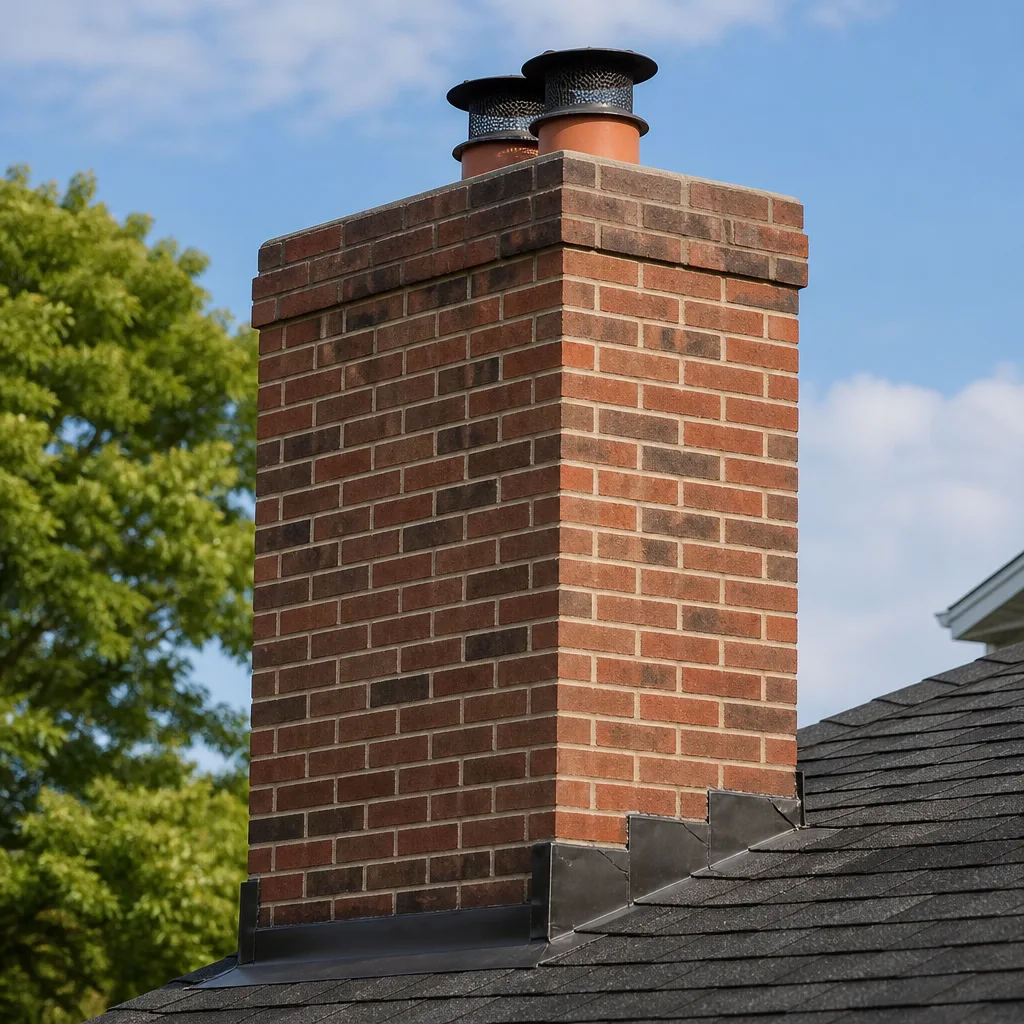 Masonry repair
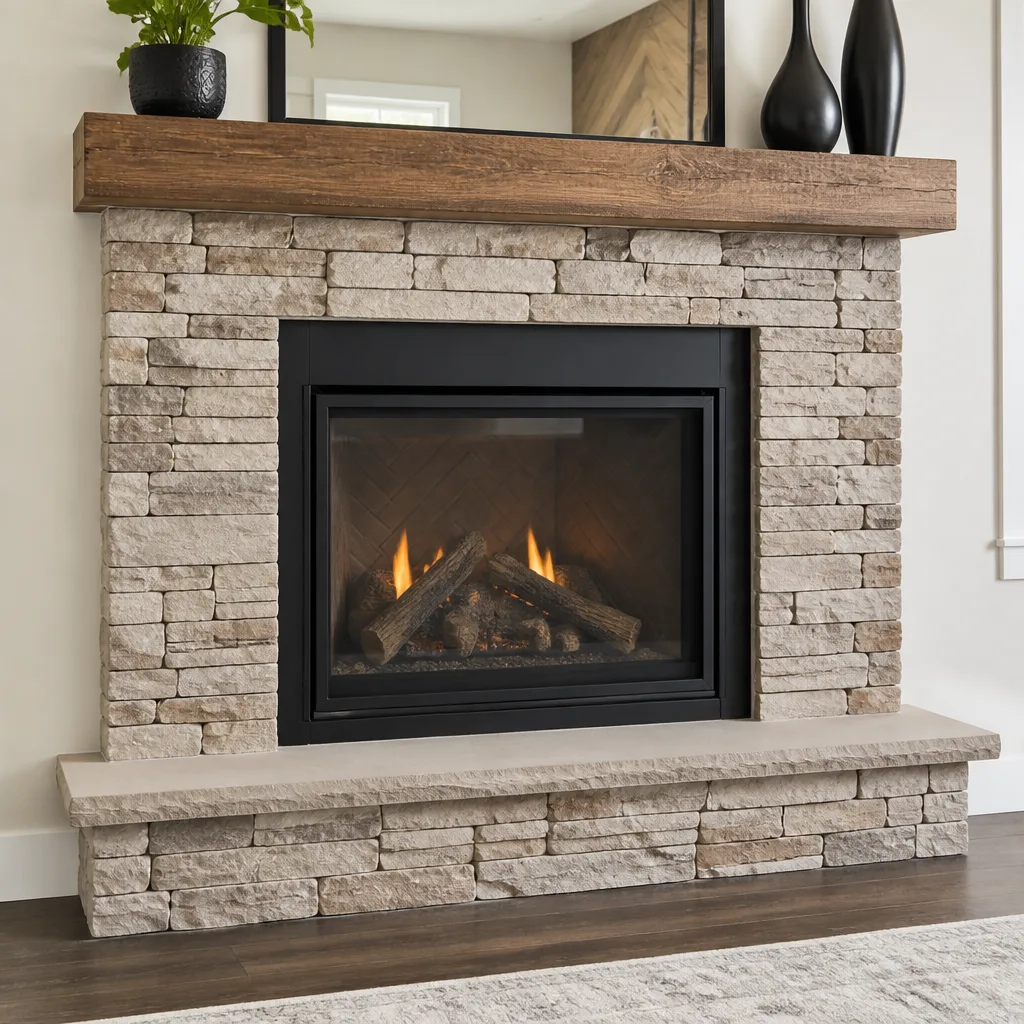 Gas fireplace service
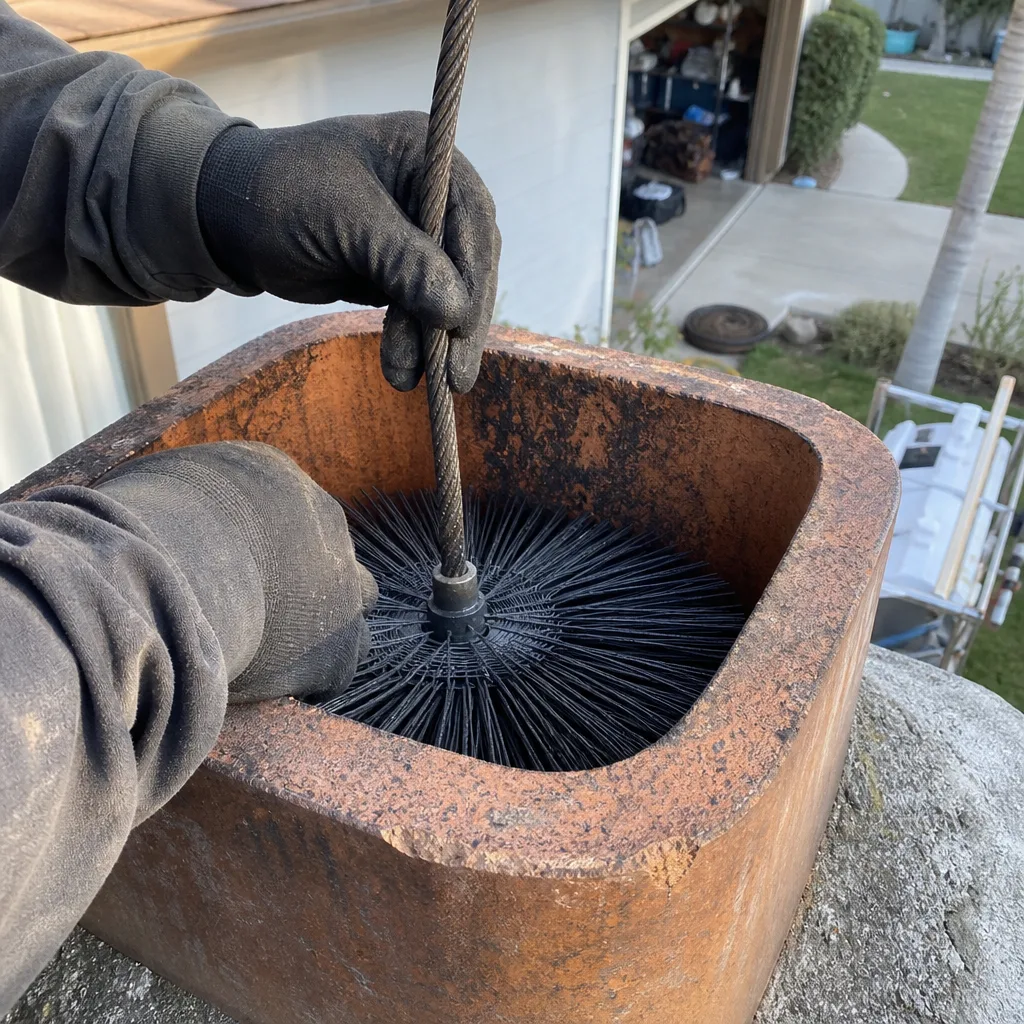
Level 1 sweep and inspection to the NFPA 211 annual standard - flue, crown, cap, and flashing checked and photographed
Chimney sweep logs do not sweep chimneys. They loosen some creosote - which then falls where a brush and vacuum still have to collect it.
Chimney Sweep Troubleshooting in Perris: Common Problems and How to Fix Them
If your fireplace smokes into the room every time you light a fire, the instinct is to call for a sweep, but a dirty flue is only one of four common causes, and cleaning the wrong problem won’t fix it. We see this pattern regularly in Perris homes: a homeowner describes backdraft or a smoky smell, assumes the chimney just needs a cleaning, and then wonders why the issue persists after the sweep. Most chimney problems are symptoms of a small set of diagnosable root causes. This guide matches each symptom to its cause so you can describe the problem accurately, take the right step first, and know whether you need a cleaning, a repair, or both.
Styles & brands we work with
- Sweep & inspection
- Caps & crowns
- Flue relining
- Masonry repair
- Gas fireplace service
Quick Answer
Chimney troubleshooting in Perris starts with matching the symptom to its root cause: smoke backdraft usually means draft or pressure problems, creosote smells mean buildup or moisture, white staining means water intrusion through masonry or a failing cap, and spalling brick means long-term water absorption. Some fixes are homeowner-safe checks like confirming the damper is fully open; others, including liner damage and structural repairs, require a technician with inspection equipment. In most Perris homes, a proper sweep and level 2 inspection together reveal which of the four causes is at work, so you’re not paying for a cleaning that doesn’t solve the problem.
Table of Contents
- Smoke Backdraft: Why Your Fireplace Smokes Into the Room
- Creosote Smell: What That Odor Means and What to Do
- White Staining on the Chimney: Water, Not Dust
- Spalling Brick and Crumbling Mortar: Moisture Damage Over Time
- Negative Pressure in Perris Homes: When the House, Not the Chimney, Is the Problem
- What a Level 2 Inspection Reveals That a Standard Sweep Misses
- What You Can Check Yourself vs. What Needs a Technician
- Common Mistakes to Avoid
- When to Call a Professional
- Frequently Asked Questions
- The Bottom Line
Smoke Backdraft: Why Your Fireplace Smokes Into the Room
Smoke that pours into the living room instead of up the flue is the most common complaint we hear from Perris homeowners, and its not always a dirty chimney. There are four typical causes, and they require four different fixes. Knowing which one you’re dealing with saves you from paying for a sweep when the real problem is airflow in the house.
The Four Causes of Backdraft
- A closed or partially closed damper. This is the first thing to check. A damper that’s rusted, warped, or simply forgotten in the closed position blocks the flue and forces smoke back into the room.
- A cold flue. On mild Perris days, the air inside the chimney can be nearly the same temperature as the air outside. Without a temperature difference, there’s no draft to pull smoke upward. You often need to prime the flue by holding a lit roll of newspaper up toward the damper for a minute before lighting the main fire.
- Creosote buildup narrowing the flue. Over time, creosote can reduce the flue’s diameter enough that smoke has nowhere to go but back into the room. This is the “dirty chimney” cause, and a professional chimney sweep fixes it.
- Negative pressure inside the house. This is the cause most people miss, and it’s worth its own section below because it’s common in newer, tightly sealed Perris homes.
The decision tree is simple. First, check the damper visually. If it’s open and the problem persists, prime the flue before the next fire. If you still get smoke, it’s likely creosote or house pressure, and a technician needs to assess which one. A sweep alone fixes creosote, but it does nothing for a pressure problem, which is why we always inspect before recommending a service.
Creosote Smell: What That Odor Means and What to Do
A creosote smell in the house usually means one of two things: creosote has built up enough to off-gas on warm days, or moisture has gotten into the flue and is activating the creosote’s odor. In Perris, where summer heat can exceed 100 degrees for stretches, the first cause is common. The chimney absorbs heat all day, and by evening the creosote inside warms enough to release that sharp, acrid smell through the damper.
The fix depends on the amount of buildup. Light creosote from occasional fires usually just needs a standard cleaning. Heavy, glazed creosote is a different matter. Glazed creosote is dense, tar-like, and resistant to standard brushing. In some cases it requires chemical treatment or mechanical removal by rotary equipment. The smell you’re noticing is a signal that enough creosote has accumulated to matter, and it’s worth having someone look before the next burning season.
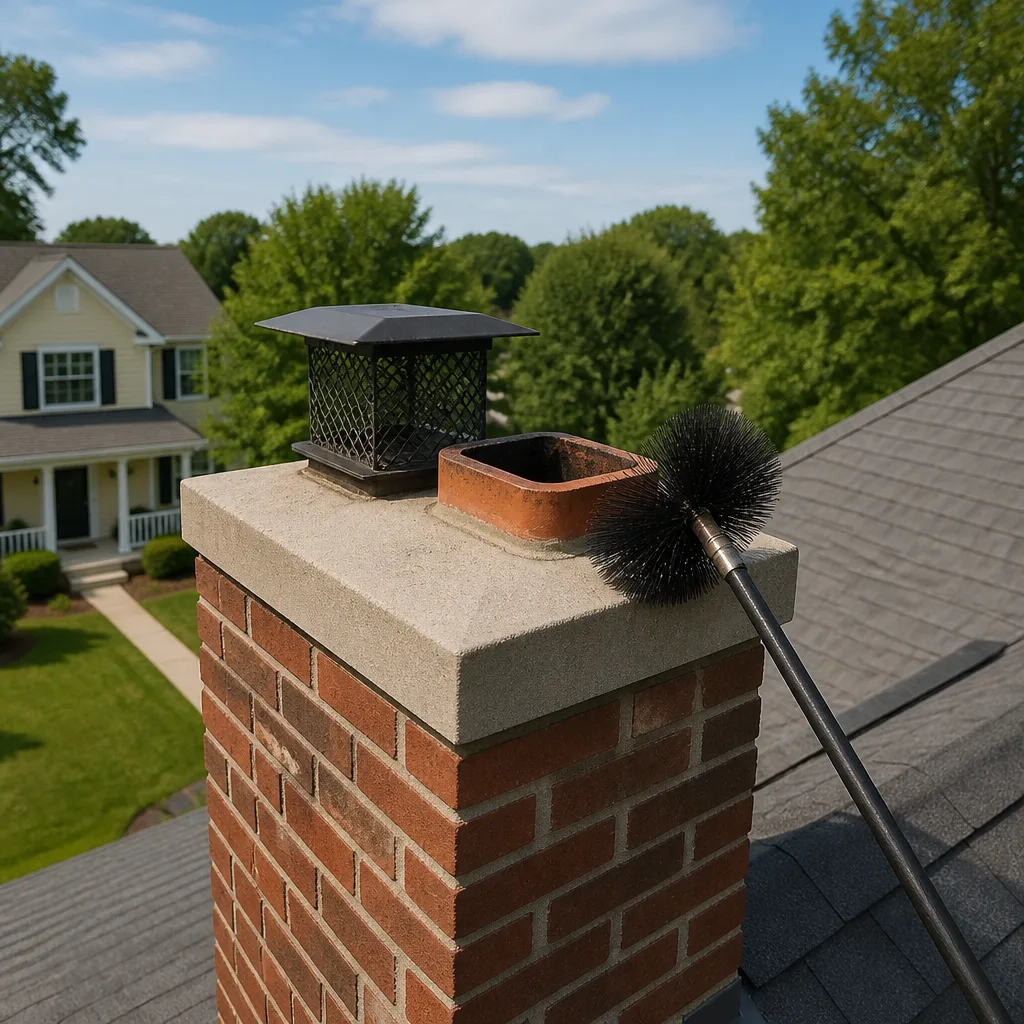
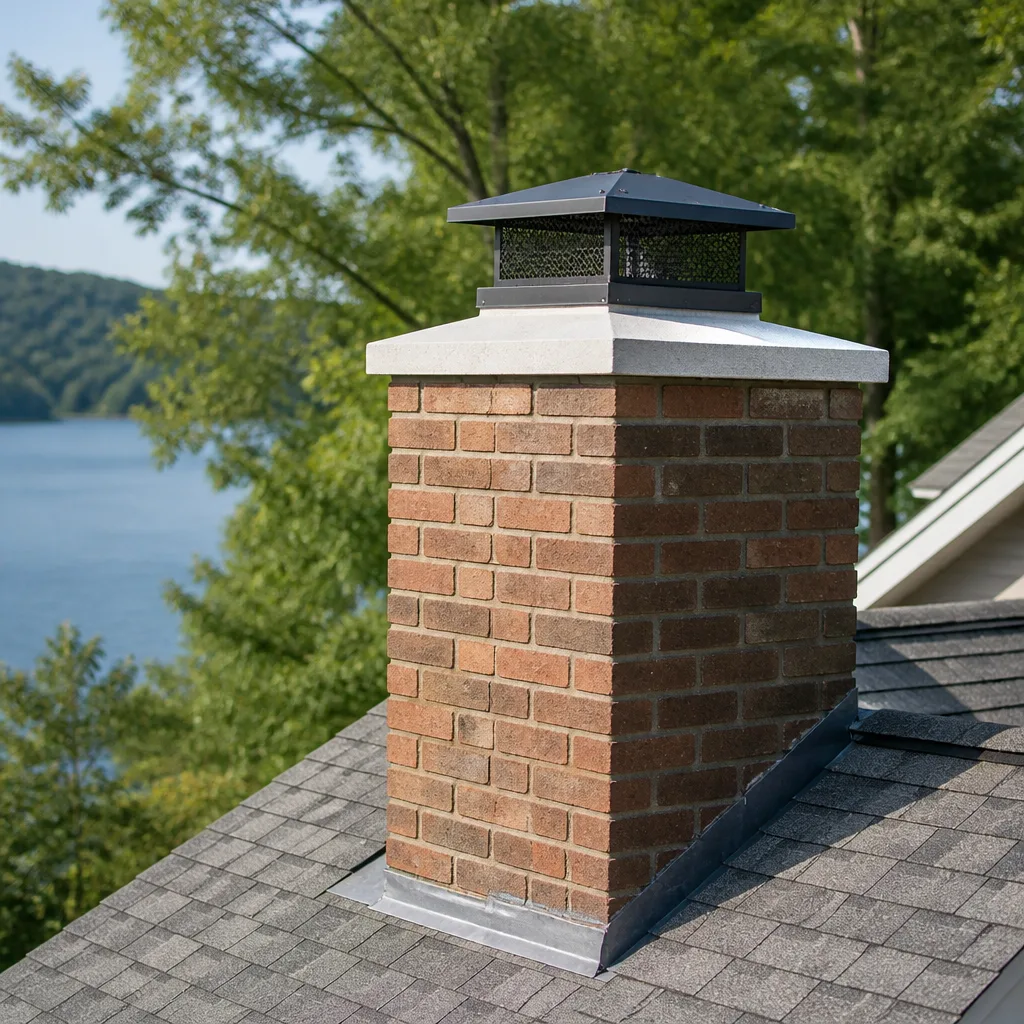
Moisture is the other culprit, and it points to a different issue: a failing chimney cap or damaged crown letting rainwater into the flue. Wet creosote smells stronger and more sour than dry creosote. If the smell worsens after rain, look at the cap and crown before assuming the sweep will fix it. A cleaning removes the creosote, but if water keeps getting in, the smell will return. Chimney Sweep Perris handles both sides of this, the cleaning and the cap or crown repair, so one visit can resolve the cycle rather than just the symptom.
White Staining on the Chimney: Water, Not Dust
White staining on brick, called efflorescence, is often mistaken for dust or paint overspray. It’s actually dissolved salts from inside the masonry, left behind when water evaporates from the brick surface. The water that carried the salts came from somewhere inside the chimney system, which means the staining is a map of a moisture problem.
In Perris, where rain falls in concentrated bursts between long dry stretches, the wet-dry cycle accelerates efflorescence. Water penetrates the brick or crown during a storm, dissolves salts in the mortar and brick, then evaporates during the following dry week, depositing salt on the surface. A light dusting of white powder is an early warning. Crusty, thick deposits mean water has been moving through the masonry for a while.
Efflorescence itself isn’t structurally dangerous, but the water causing it is. Over years, trapped moisture breaks down mortar joints, causes spalling, and can reach the interior flue. The fix sequence should be: identify where water is entering (crown, cap, flashing, or porous brick), repair that entry point, then clean and seal the masonry if needed. A technician can usually tell the difference between recent, active water intrusion and older staining that’s no longer wet. In our experience, Perris homes with original caps from the 1980s and 1990s often show efflorescence below the crown, which usually points to crown failure rather than a brick problem.
Spalling Brick and Crumbling Mortar: Moisture Damage Over Time
Spalling is what happens when water inside brick freezes and thaws, or simply sits long enough to break the brick’s face off in flakes and chunks. In Perris, where hard freezes are rare, spalling is slower than in colder climates, but it still happens. The mechanism here is more about long-term absorption and the salt crystallization cycle that comes with our wet-dry pattern. Water gets in, dissolves interior salts, evaporates, and leaves salt crystals that expand inside the brick’s pores. Repeated enough times, the brick face pops off.
Crumbling mortar usually appears alongside spalling or just before it. Mortar is softer than brick and wears first. When you can scrape mortar out with a finger or see joints that have recessed noticeably, the chimney’s structural envelope is open to more water, which accelerates everything else.
The repair depends on how far the damage has gone. Repointing is the standard fix for deteriorated mortar, and it involves grinding out the old joints and tuckpointing new mortar in. Spalled brick is more involved: individual bricks may need replacement, and in some cases the chimney’s crown and cap need rebuilding too. Materials matter here. We use professional-grade masonry repair products from brands like Gelco and Olympia Chimney, not hardware-store patching compounds, because the repair has to survive the same heat and moisture cycles the original chimney did. A patch that fails in three years is a recurring cost, not a fix.
Negative Pressure in Perris Homes: When the House, Not the Chimney, Is the Problem
This is the troubleshooting step most people never hear about, and it explains a lot of “smoky fireplaces” in Perris that test clean. A chimney is a simple system: hot air rises, creating lower pressure at the firebox that pulls smoke up. But the chimney doesn’t operate in isolation. It competes with every other air pathway in the house, and if the house itself is pulling air in harder than the chimney can push it out, the chimney loses.
Newer Perris homes are built tighter than older ones. Add exhaust fans in the kitchen and bathrooms, a clothes dryer running, and a central air system that’s not balanced, and you can create enough negative pressure to reverse the flue. The result is smoke that backs into the room, or a fireplace that lights fine but whispers smoke around the damper after a few minutes. To a homeowner, it looks like a draft problem. It’s actually a house pressure problem.
The quick test is simple: crack a window near the fireplace before lighting the next fire. If the smoke problem disappears, you’ve found the cause. The long-term fix is make-up air, whether that’s a dedicated vent or adjusting exhaust systems so they don’t overpower the chimney. This is a diagnosis best made by a technician who understands both fireplace airflow and house pressure, because the wrong “fix” like extending the chimney only makes the pressure differential worse.
What a Level 2 Inspection Reveals That a Standard Sweep Misses
A standard sweep removes creosote and checks the accessible parts of the flue. What it doesn’t do is examine the interior from top to bottom with a camera. A level 2 inspection does exactly that, and it’s the standard recommendation in two situations relevant to Perris: after a chimney fire and after an earthquake.
Chimney fires burn hot enough to crack flue tiles and damage the inner liner without leaving any visible trace on the exterior. A homeowner might not even know the fire happened: the signs are a loud rumbling sound like a train and a sudden dense plume of smoke, but a small chimney fire can be quieter. Riverside County is also earthquake country, and a chimney is the most vulnerable part of a structure. A shift of an inch can crack the flue, and a cracked flue can allow heat and gases into framing.
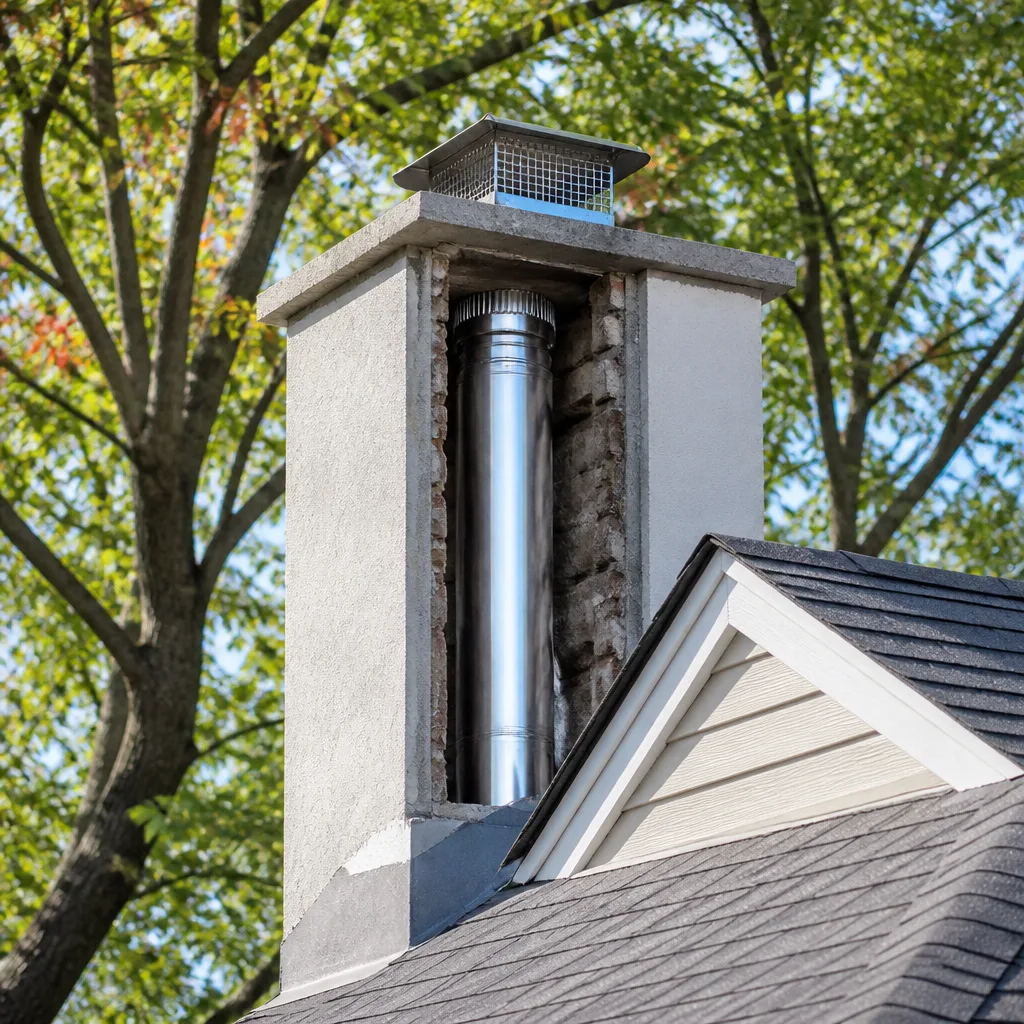
A level 2 inspection with a camera sees the entire path from the firebox up, from the firebox to the cap. It documents cracks, gaps, deteriorated joints, and liner damage that a brush never touches. If the camera finds a compromised flue, the next decision is repair versus reline. HeatShield resurfacing can restore a deteriorated liner without full demolition, which is often the right option for Perris fireplaces that are still structurally sound but have surface-level flue damage. DuraFlex flexible liner systems cover cases where the original liner is gone or the flue path is offset and a rigid liner won’t fit. Both are trade-level materials, and both are repairs we can scope on the same visit as the inspection.
What You Can Check Yourself vs. What Needs a Technician
Some chimney troubleshooting is safe and sensible for a homeowner to do. Other steps should be left to someone with training and inspection equipment. Here’s the line.
Safe to Check Yourself
- Damper position. Look up into the firebox with a flashlight and confirm the damper is fully open before every fire. If it’s rusted or won’t stay open, call for a repair rather than forcing it.
- Visible debris in the firebox. Clear out ash, but if you see animal nesting material or leaves pulled down from above, that usually means the cap needs attention, and the flue above may have debris you can’t see.
- Smoke test with a window cracked. As described above, if cracking a window fixes the backdraft, the problem is house pressure, not the chimney.
- Exterior visual check. Walk around the chimney and look for obvious missing cap sections, staining, cracked crown surfaces, or brick that’s flaking. Binoculars help.
Leave to a Technician
- Any work on the roof. Accessing a chimney cap, crown, or upper masonry requires climbing and working at height with the right equipment. Falls from roofs are a leading cause of serious injury, and a chimney inspection from the roof is not a DIY job.
- Creosote removal of any kind. Brushing a chimney from the top requires getting on the roof. Chemical creosote removers don’t replace a mechanical cleaning, and using the wrong product can create its own residue. A professional sweep uses rotary brushes and vacuums that contain the dust.
- Liner inspection and repair. Only a camera can tell you whether the liner is sound. Guessing on this one means either ignoring a fire hazard or paying for a repair you didn’t need.
- Masonry repair. Repointing and crown rebuilds involve mortar matching, weather windows, and working above grade. The products that hold up, like the Gelco and Olympia Chimney lines, are not what you find at a hardware store.
Common Mistakes to Avoid
- Paying for a cleaning when the problem is house pressure. If backdraft disappears with a window open, a sweep won’t change anything. Start with the pressure test before booking a cleaning.
- Ignoring efflorescence because it “washes off.” The staining returns because the water source is still there. Washing the brick is cosmetic; fixing the crown or cap is the repair.
- Burning manufactured logs in a wood-burning fireplace without checking the flue first. Some manufactured logs produce more creosote than seasoned wood in certain conditions. Know what you’re burning and keep an eye on buildup.
- Closing the damper too soon after a fire. Closing the damper while embers are still active can trap carbon monoxide in the house. Wait until the fire is fully out and the embers are cold.
- Using a fireplace as the primary heat source without annual inspection. In Perris, some homes use fireplaces heavily for winter heating. Heavy use shortens the cleaning interval, sometimes to twice per season.
- Assuming a new home’s chimney is clean. Previous owners may not have swept before selling, and construction debris occasionally ends up in flues. Get a baseline sweep and inspection when you buy.
- Calling a roofer for a chimney crown issue. Roofers replace flashing, but chimney crowns and caps are specialty work. A chimney contractor sees what a roofer doesn’t.
When to Call a Professional
Call a chimney technician if you have backdraft that a window test doesn’t fix, a creosote smell that persists after a cleaning, water staining on the chimney face, any sign of spalling brick, or a fireplace you haven’t used in more than a season and can’t confirm was inspected. The same call covers dryer vent concerns too. Both fireplaces and clothes dryers are among the leading appliance-related fire sources in homes, and both are venting systems that need periodic cleaning and inspection. If you’re in Perris and want one company to look at both, Chimney Sweep Perris offers free estimates and handles chimney sweeping, chimney repair, and dryer vent cleaning without subcontracting. Call (833) 593-5414. We answer 24/7. Fast dispatch from 7am to 7pm, Sunday through Friday.
Frequently Asked Questions
A standard chimney sweep in Perris typically costs between $180 and $340 depending on flue condition, accessibility, and whether the chimney shows signs of heavy creosote or animals. The final price is set by a written estimate before work begins. A sweep should always include a visual inspection of the damper, cap, and accessible masonry. Call (833) 593-5414 for an exact quote, estimates are free.
Not every deteriorated liner requires full replacement. If the flue tiles show surface damage but remain structurally intact, HeatShield resurfacing can restore the interior without tearing out the chimney. If the liner is gone, badly offset, or too far gone for a coating system, a flexible liner like DuraFlex is the better route. The deciding factor is what a level 2 camera inspection shows. We tell you what we find, then give you options.
Annual sweeping is the standard for a wood-burning fireplace that gets regular seasonal use, but in Perris where freezes are rare and some homes burn only a dozen fires per year, a cleaning every one to two years may be sufficient. Heavy use, burning unseasoned wood, or any sign of creosote odor means clean sooner. Gas fireplaces also need annual inspection for venting and combustion safety.
Creosote accumulates and narrows the flue, which increases the backdraft risk and, if it ignites, causes a chimney fire. Water entry continues, which accelerates masonry deterioration and can eventually compromise the liner. The result is a larger repair bill years later, or in worst cases, a fire or carbon monoxide incident that no level of savings justifies. A $200 sweep is the cheapest insurance a chimney has.
Intermittent smoke backdraft is the classic signature of a pressure imbalance or a flue that’s right at the edge of having enough draft. On days when the temperature outside is close to indoor temperature, the draft is weaker. When you run the dryer or kitchen exhaust at the same time, you tip the house negative and the chimney loses. Cracking a window the next time it happens tells you which factor is at play.
Chimney Sweep Perris serves residential homeowners throughout Perris, including neighborhoods on both sides of the 215 and homes in the older central area as well as newer developments. If you’re within the city and have a fireplace, dryer vent, or masonry chimney, we’re available to assess it. Call (833) 593-5414 to book an estimate.
The Bottom Line
Chimney problems in Perris are rarely mysterious once you map the symptom to its cause. Backdraft points to the damper, a cold flue, creosote, or house pressure. Creosote smell points to buildup or moisture. White staining and spalling point to water intrusion. Each symptom has a next step, and most are resolvable without a full rebuild. The discipline is to inspect before cleaning, verify before repairing, and use materials that last. If you have a symptom you can’t explain, call (833) 593-5414 for a free estimate. We answer 24/7. Fast dispatch from 7am to 7pm, Sunday through Friday.
Written by the team at Chimney Sweep Perris, serving Perris since 2013.
See the difference
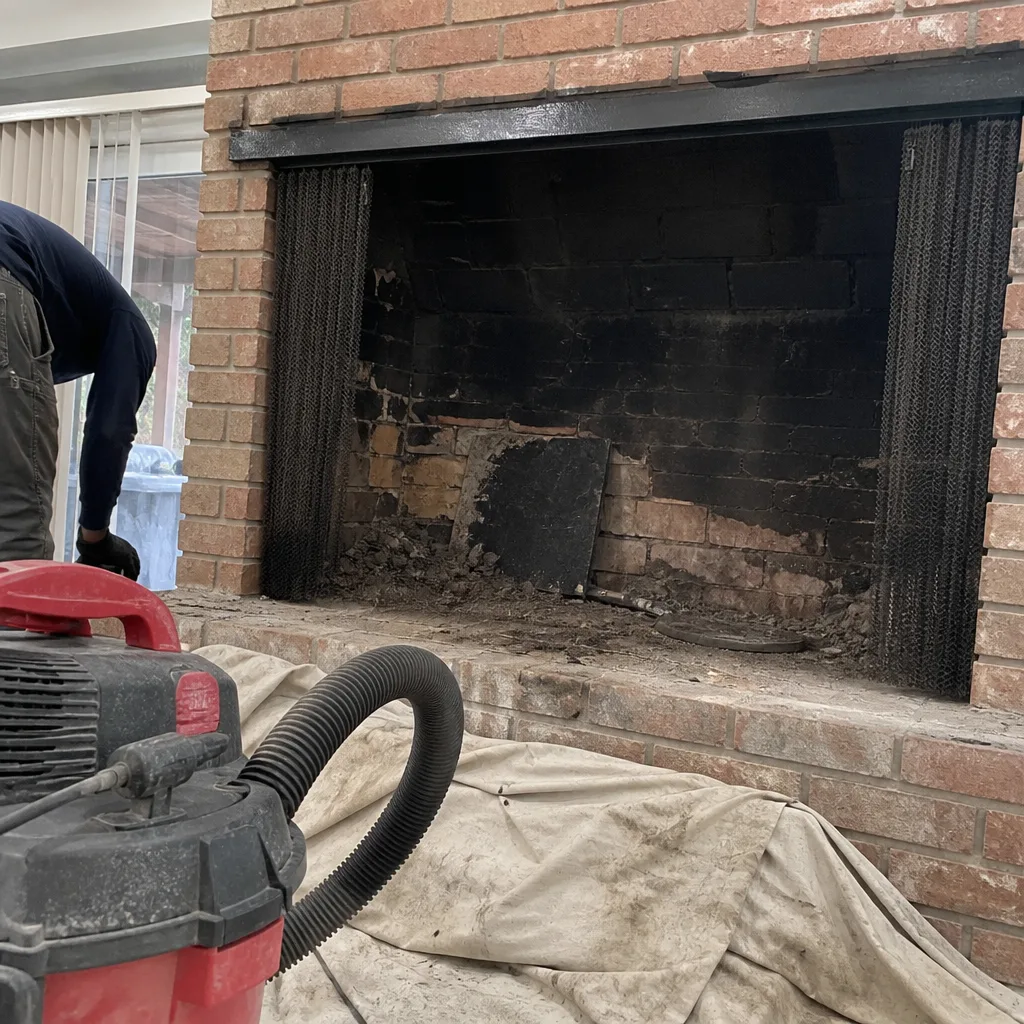 Before
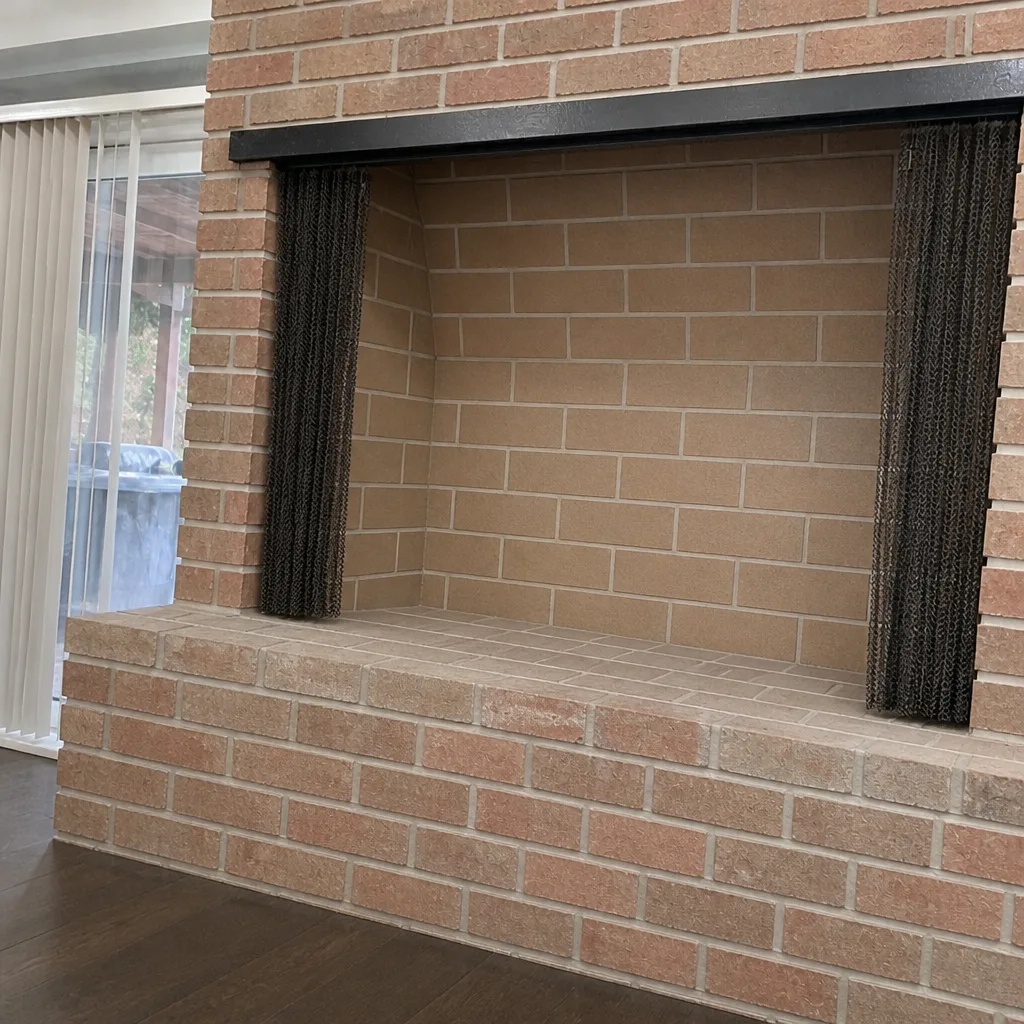 After
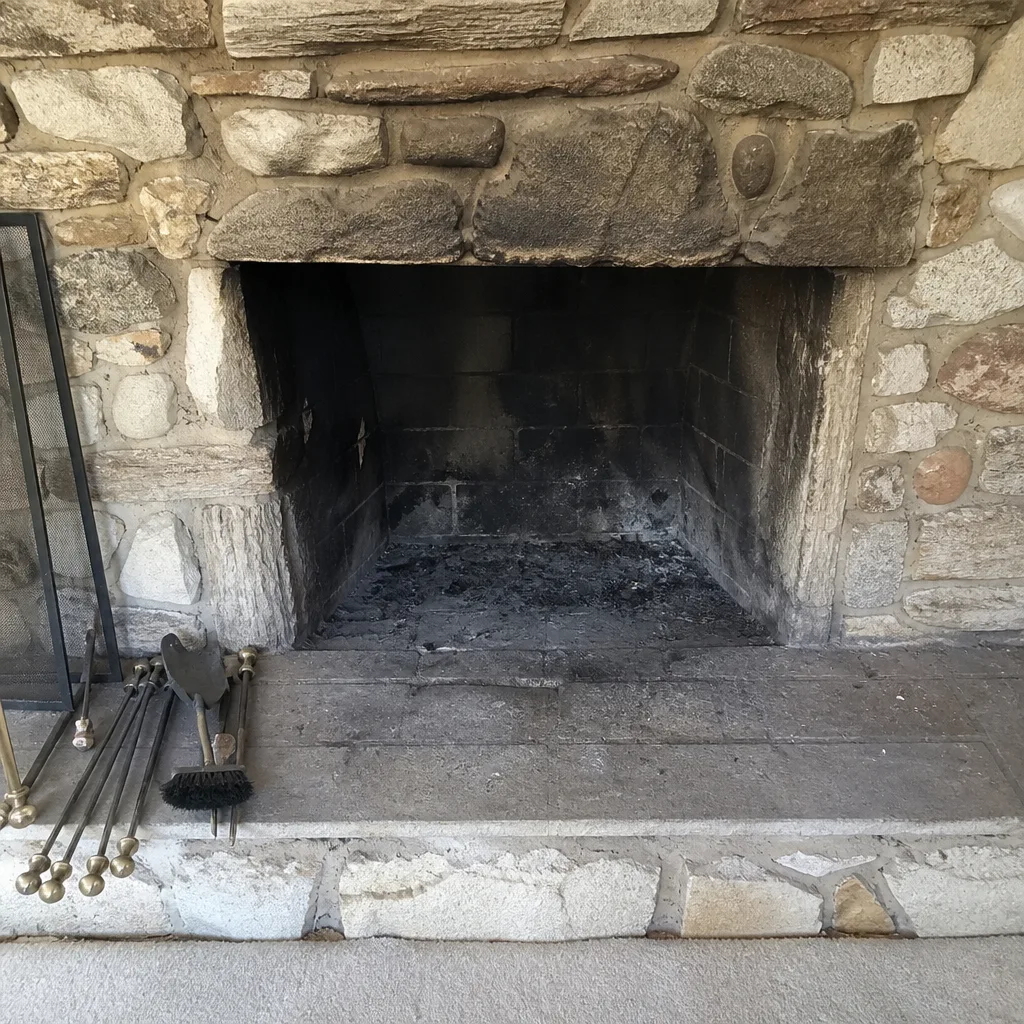 Before
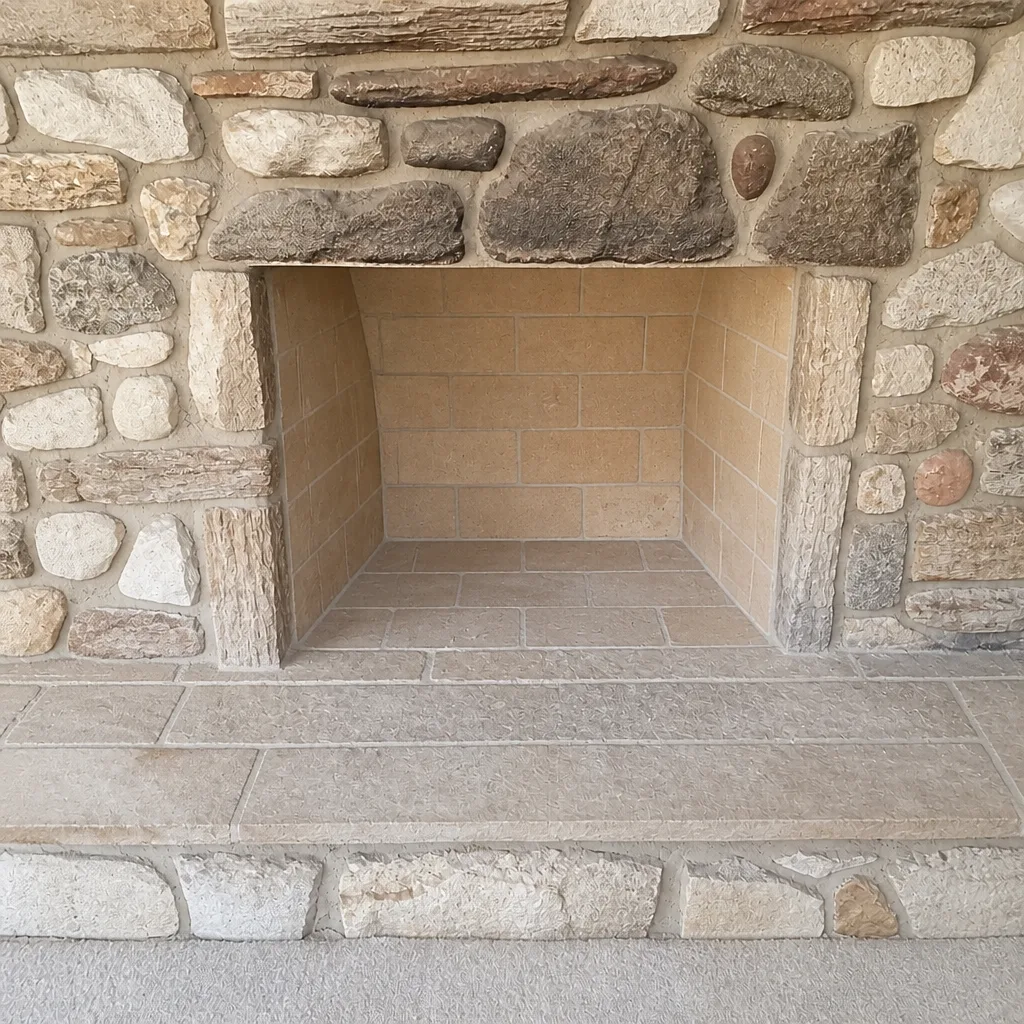 After
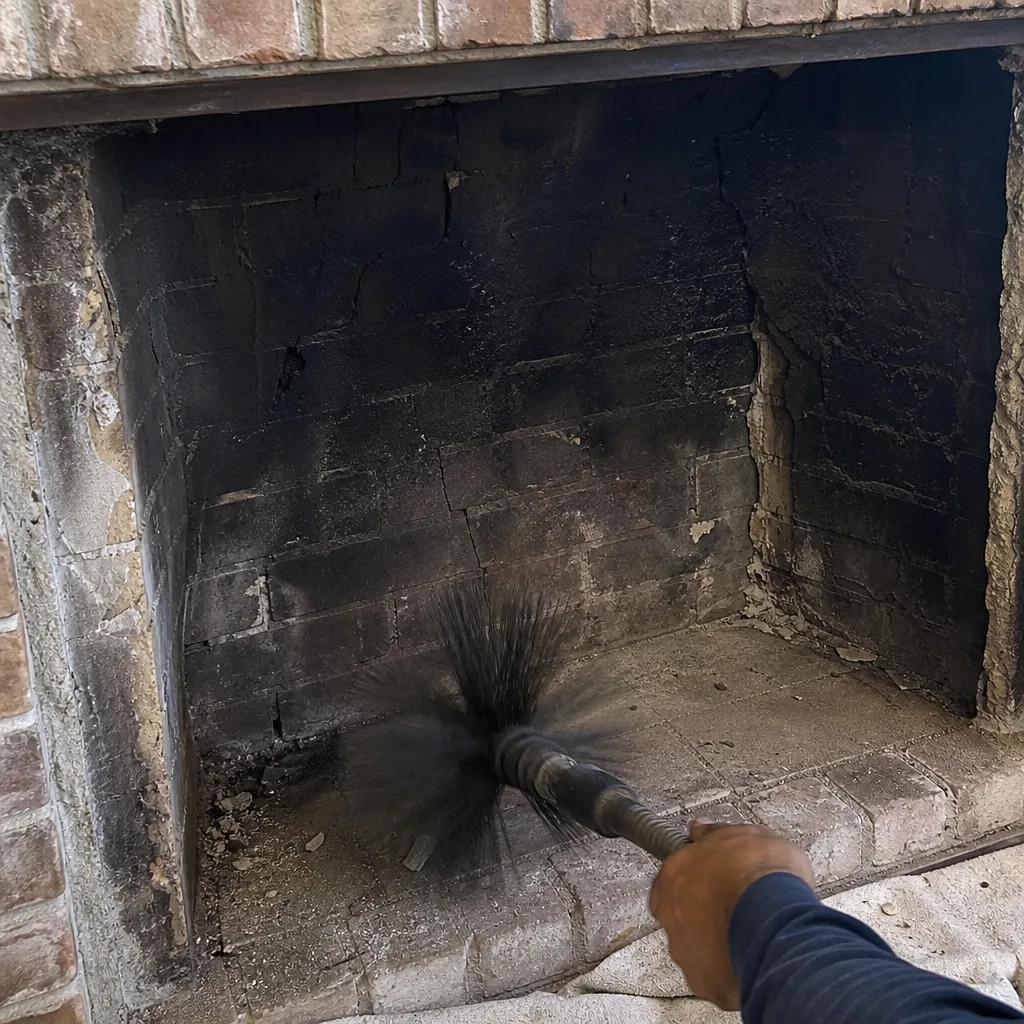 Before
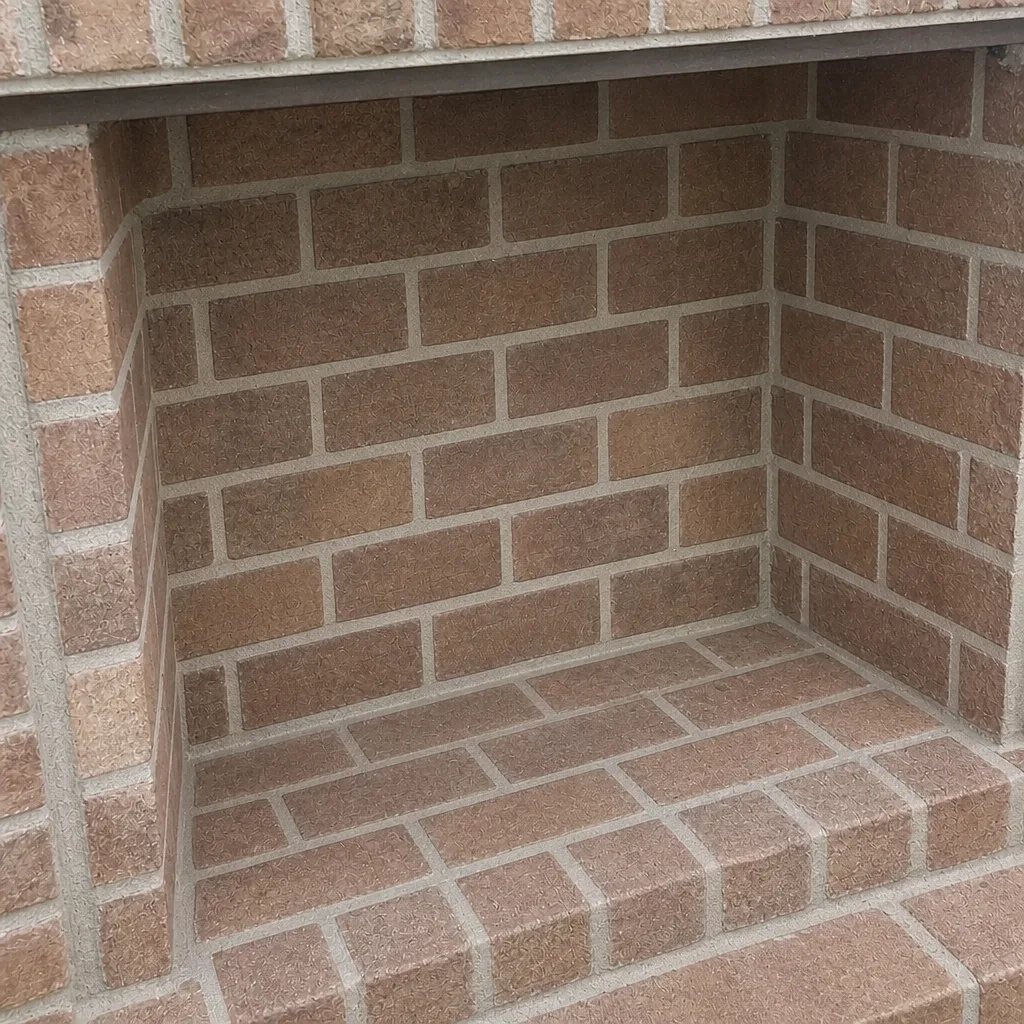 After