
Last updated November 4, 2026
 Sweep & inspection
 Caps & crowns
 Flue relining
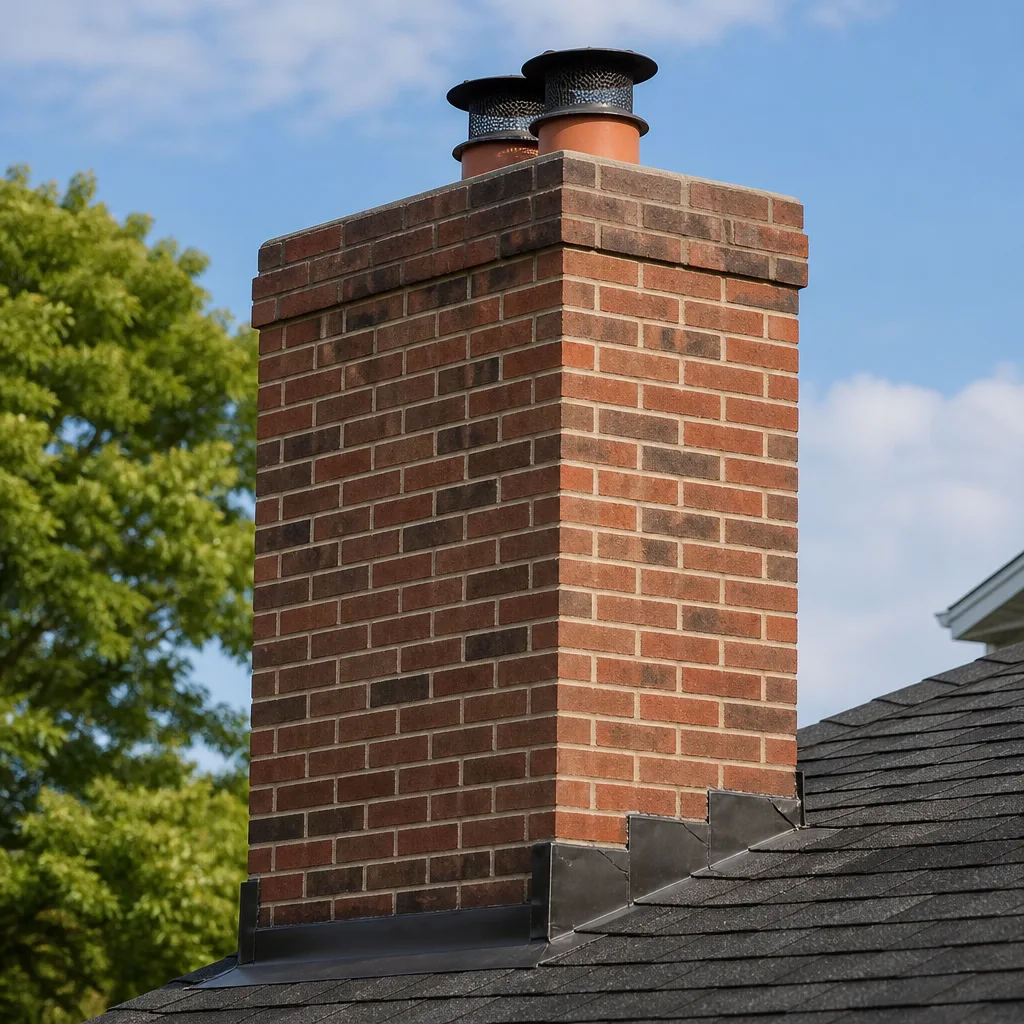 Masonry repair
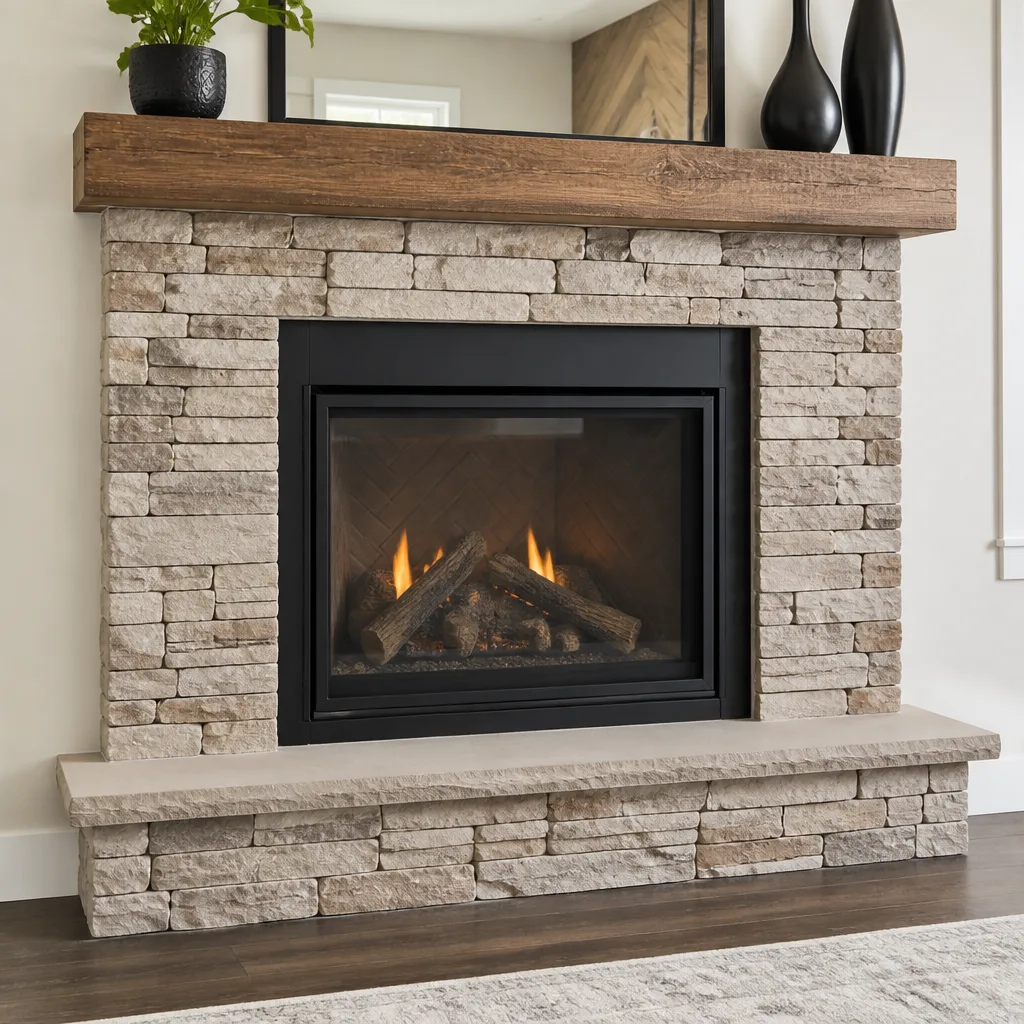 Gas fireplace service
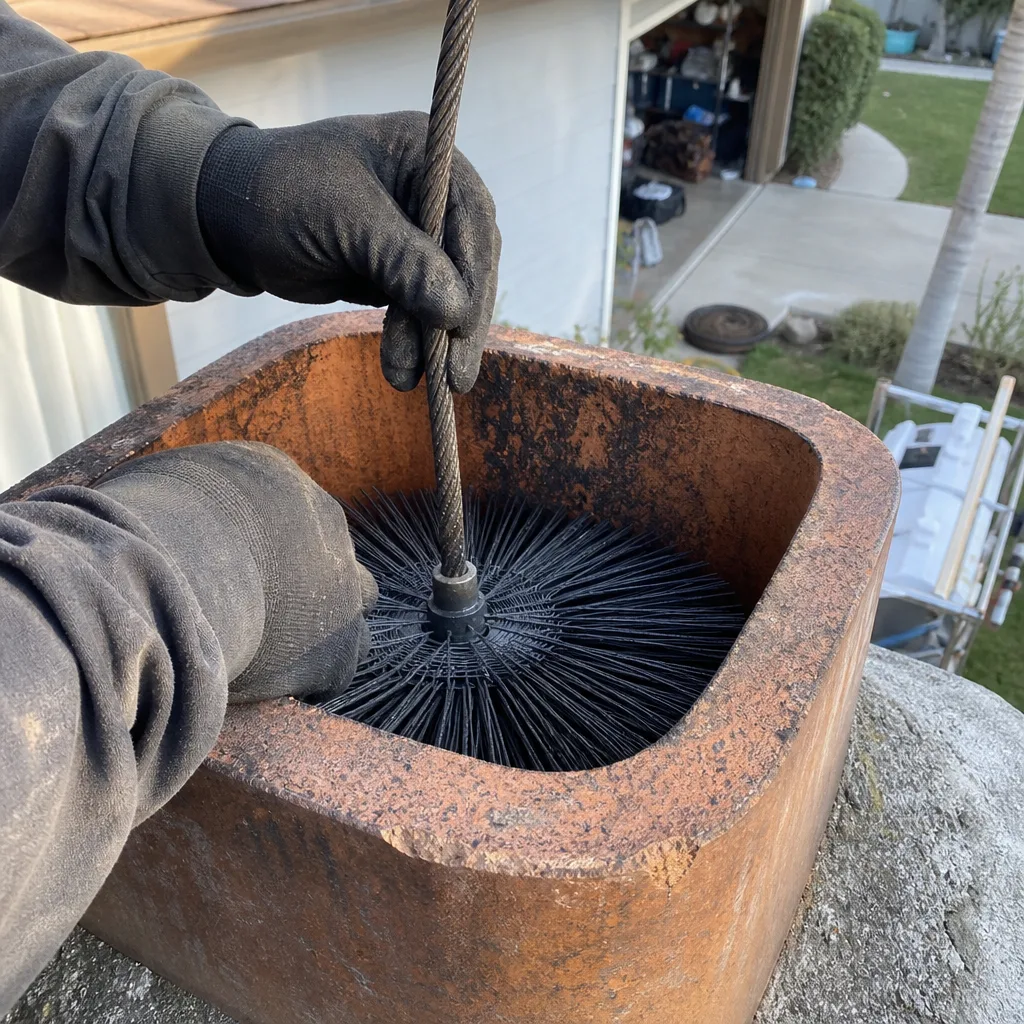
Level 1 sweep and inspection to the NFPA 211 annual standard - flue, crown, cap, and flashing checked and photographed
Chimney sweep logs do not sweep chimneys. They loosen some creosote - which then falls where a brush and vacuum still have to collect it.
Chimney Sweep Maintenance Schedule: What to Do and When
The standard advice you’ll hear is “clean your chimney once a year.” That’s a fine starting point, but it’s also incomplete. A homeowner in Perris burning three cords of seasoned oak every winter and someone who lights a manufactured log on Christmas morning have completely different maintenance needs. What actually matters is fuel type, burn frequency, and how your specific chimney behaves in our dry, high-UV climate. This guide gives you a real schedule based on what we see in the field, not what a generic checklist says.
Styles & brands we work with
- Sweep & inspection
- Caps & crowns
- Flue relining
- Masonry repair
- Gas fireplace service
Quick Answer
Most Perris homeowners with a wood-burning fireplace need a professional sweep once per year, ideally between September and early November before the burn season starts. Gas fireplace users can typically go two years between inspections, while heavy wood burners going through three or more cords per season should plan for a sweep every six months. Dryer vents need cleaning once a year regardless of fireplace type.
Table of Contents
- The Perris Burn Season Calendar
- Maintenance Schedules by Fuel Type
- The Creosote Depth Rule: When 1/8 Inch Is Too Much
- The Components You’re Forgetting: Cap, Crown, and Flashing
- The Dryer Vent: The Other Annual Fire Risk
- What “Light Use” Actually Means
- A Seasonal Maintenance Checklist
- Common Mistakes to Avoid
- When to Call a Professional
- Frequently Asked Questions
- The Bottom Line
The Perris Burn Season Calendar
In Perris, the realistic burn window runs from November through March. That’s roughly five months where a fireplace might see regular use, with December and January being the heaviest burn months. This matters because your maintenance schedule should work backward from that window, not forward from an arbitrary calendar date.
The ideal pre-season inspection window in Southern California is September through early October. That gives you time to address any issues before the first cold snap, and it also means you’re not competing with everyone else who waited until the week before Thanksgiving. We see this rush every year in Perris, and it’s avoidable.
Here’s what a year-round schedule looks like for a typical wood-burning home in Perris:
- September to early October: Schedule your annual chimney sweep and inspection. This is the single most important appointment on the calendar.
- November: First fires of the season. Start with a small fire and watch for any smoke backing into the room, which signals a draft or blockage problem.
- December to February: Active burn season. If you’re burning more than two cords, check your creosote levels mid-season or schedule a follow-up sweep in January.
- March to April: End of burn season. A final light cleaning can help, but more importantly, this is a good time to inspect cap and crown damage from winter storms.
- May to August: Off-season. Use this time for masonry repairs, crown resealing, or liner work that’s easier to schedule when you don’t need the fireplace.
One thing specific to our region: Perris sits in an inland valley where summer temperatures regularly push past 100 degrees. That kind of sustained heat puts real stress on chimney crowns and flashing. The expansion and contraction of masonry materials happens gradually, and by fall, small cracks that formed over summer are ready to let water in. A September inspection catches these before the rain arrives.
Maintenance Schedules by Fuel Type
Not all fires are created equal. The fuel you burn directly determines how fast creosote accumulates and how often you need a sweep. Here’s the breakdown based on what we see in Perris homes:
Seasoned Hardwood (Oak, Almond, Walnut)
This is the cleanest-burning wood fuel you can use. Properly seasoned hardwood has a moisture content below 20 percent, which means a hotter, more complete burn and slower creosote buildup. A homeowner burning seasoned oak exclusively can typically go a full season on one annual sweep, provided they’re burning two cords or less. If you’re in the three-plus cord range, plan for a mid-season sweep in January.
Softwood (Pine, Fir)
Softwood burns faster and cooler than hardwood, which creates more creosote per cord. It’s also more commonly sold at convenience stores and grocery chains as “firewood” bundles. If you’re burning pine or fir regularly, your creosote accumulates roughly 30 to 40 percent faster than with oak. Schedule your annual sweep in September and expect to need a second one if you’re burning more than a cord and a half.
Gas Logs
Gas fireplaces don’t produce creosote, but they’re not maintenance-free. The main concerns are burner function, venting integrity, and soot buildup on the logs themselves. Gas appliances need an inspection every two years to check for carbon monoxide leaks, verify the damper is functioning, and ensure the flue is clear. If you run your gas fireplace daily during winter, make that inspection annual.
Manufactured Logs (Duraflame and Similar)
These are convenient and burn cleaner than wood, but they’re not a get-out-of-maintenance-free card. Manufactured logs can produce a waxy residue inside the flue that we’ve seen attract soot more quickly than some homeowners expect. If this is your primary fuel, an annual inspection is still warranted. The good news is the creosote levels tend to be lower, so a basic sweep is usually all that’s needed.
The Creosote Depth Rule: When 1/8 Inch Is Too Much
Instead of guessing whether your chimney is dirty enough to clean, the National Fire Protection Association standard (NFPA 211) gives a concrete threshold: when creosote buildup reaches 1/8 inch in depth, the chimney must be cleaned before continued use. That’s about the thickness of two stacked nickels, and it’s a number you can actually measure with a simple creosote depth gauge.
Here’s why this matters for your schedule. Creosote doesn’t build up evenly. It concentrates in the flue sections that cool fastest, which in many Perris homes is the upper third of the chimney where it exits the roof. You might have a clean-looking firebox and damper area while 1/4 inch of creosote is sitting higher up where you can’t see it.
We use camera inspection equipment on every sweep because this is exactly the kind of thing that hides from view. The camera shows us, and shows you, what the flue actually looks like end to end. If the camera shows under 1/8 inch of buildup, you’re good to keep burning. If it shows more, the sweep happens that day. This is also where the brands we work with matter: when repairs are needed, we use products like HeatShield for liner resurfacing and DuraFlex for flexible relining in complex or offset flues. These are the same materials certified chimney specialists use nationally, not hardware-store equivalents.
Knowing the 1/8-inch rule gives you a real decision point. It’s not subjective. It’s not a judgment call by whoever happens to show up with a brush. It’s a measurable threshold that tells you exactly when maintenance is due, and our policy is simple: we tell you what we find, then give you options. Nothing gets recommended without camera evidence you can see.
The Components You’re Forgetting: Cap, Crown, and Flashing
The flue liner gets most of the attention because that’s where fires start. But three other components each have their own inspection schedule and failure patterns in Perris’s climate, and they tend to go overlooked until water damage shows up inside the house.
The Chimney Cap
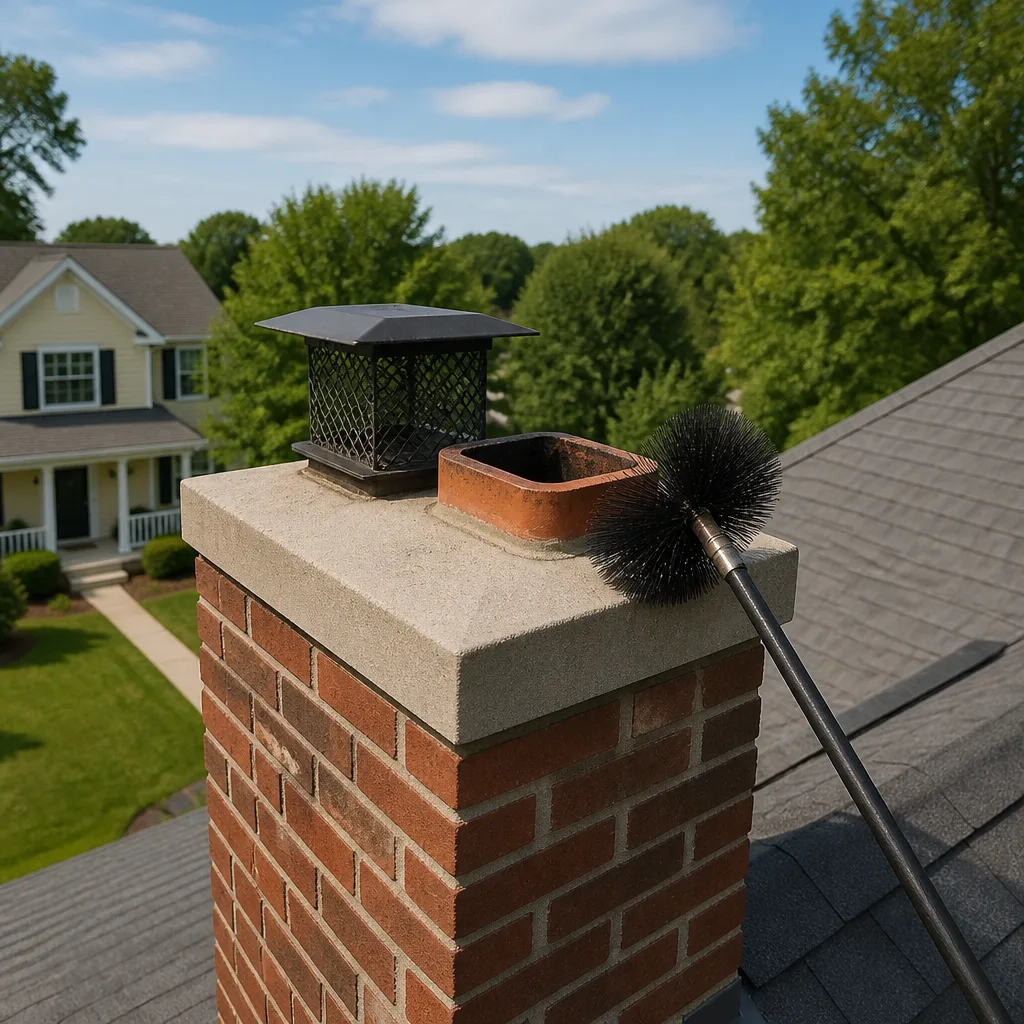
Check the cap every year. It’s the first line of defense against rain, birds, and leaves. In Perris, we see caps that have been chewed through by squirrels or warped by summer heat. A missing or damaged cap also means rain gets directly into the flue, where it mixes with creosote to form an acidic slurry that attacks the liner. Replacement caps like those from Copperfield and Olympia Chimney hold up well in our high-UV climate, but they still need an annual look.
The Chimney Crown
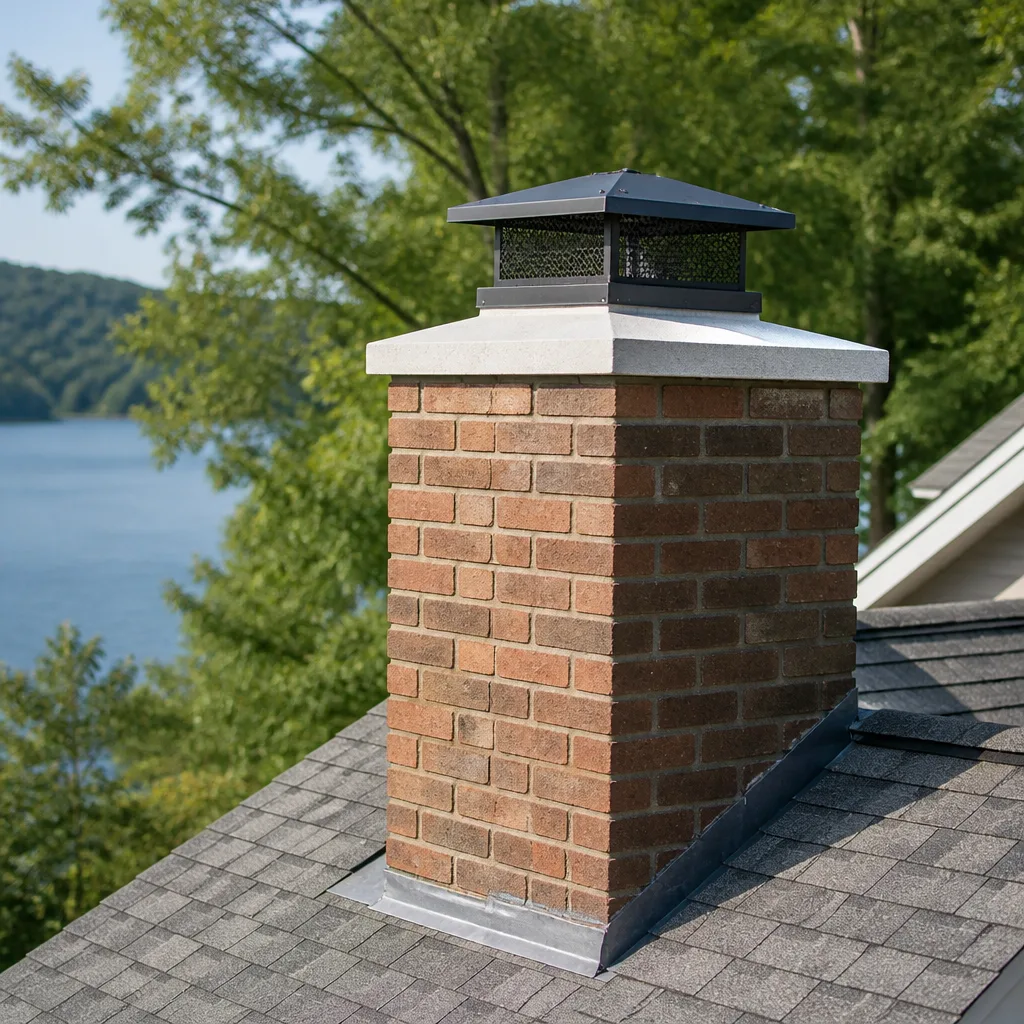
Inspect the crown every two years, or any time you’re already on the roof for another reason. The crown is the concrete slab that seals off the top of the chimney structure. In Southern California, extended sun exposure and temperature swings cause hairline cracks. Those cracks widen over seasons, and once water penetrates, freeze isn’t the issue here; the issue is simple erosion and rusting of internal components. If the crown shows cracks, seal it sooner rather than later.
The Flashing
Flash the inspection every two years along with the crown. Flashing is the metal where the chimney meets the roofline, and it’s the most common leak point on any home with a fireplace. High winds from Santa Ana events can lift and separate flashing over time. Look for rust, visible gaps, or missing sealant. If there’s discoloration on the ceiling near the fireplace, flash it first.
These three components each have their own schedule, but they share one thing in common: when we do a comprehensive sweep, we check all three as part of the inspection. From the firebox to the cap, the whole system gets looked at, not just the flue.
The Dryer Vent: The Other Annual Fire Risk
Chimneys aren’t the only venting system that needs an annual appointment. The dryer vent cleaning schedule runs on the same one-year interval, and for good reason: lint is a documented fire hazard that accumulates whether or not you use your fireplace.
Here’s the schedule we recommend for Perris homeowners:
- Every 12 months: Standard dryer vent cleaning for households doing 5 to 8 loads per week. This is the baseline schedule.
- Every 6 months: For larger households, pet owners whose dryers run daily, or anyone with a vent run longer than 15 feet or with multiple elbows.
- Immediately: If you notice clothes taking longer to dry, a burning smell while the dryer runs, or the outside vent flap not opening fully. These are signs of restricted airflow.
The reason we pair dryer vent cleaning with chimney work is practical. Both are annual fire risks. Both require professional tools to address properly. And when one company handles both, you save the coordination effort of scheduling two different contractors. It’s both fire risks, one call. We do dryer vents as a standalone service or as an add-on to a chimney sweep, and the work is never subcontracted out.
What “Light Use” Actually Means
Ask any homeowner how often they use their fireplace, and you’ll usually hear “not that much.” But light use isn’t a feeling; it’s a number. Here’s how to figure out where you actually fall:
- Heavy use: More than two cords of wood per season, or fires most nights from November through February. This needs a sweep every six months.
- Moderate use: One to two cords per season, or fires on weekends during the burn months. Annual sweeping handles this.
- Light use: Less than one cord per season, or a fire a few times a month. Annual inspection is still required, but the sweep may only be needed every 12 to 18 months.
- Occasional use: A handful of fires per year, or a manufactured log a few times each winter. Yearly inspection, sweep as needed based on creosote depth.
The catch with light use is that it can create a false sense of security. Infrequent fires still deposit creosote, especially if the fires are small and smolder rather than burn hot. And infrequent use means longer gaps between inspections, which gives any water intrusion or animal nesting more time to go undetected. Light use does not mean no maintenance; it means the maintenance threshold changes from cleaning to inspection as the priority.
A Seasonal Maintenance Checklist
Here’s a step-by-step annual checklist for keeping a wood-burning chimney in good shape in Perris. This assumes a standard November through March burn season.
- September: Schedule your annual sweep and inspection. Confirm the technician will be checking the cap, crown, and flashing along with the flue.
- Early October: Walk around the house exterior. Look at the chimney from the ground for any visible cracks, missing cap, or leaning. These are red flags that warrant a closer look.
- Mid-October: Test burn one small, hot fire. Watch the draft. If smoke enters the room, stop using the fireplace and call for an inspection before the season starts.
- November through February: Burn only seasoned hardwood when possible. Keep the damper fully open during fires. Do not burn painted wood, treated lumber, wrapping paper, or cardboard, all of which create excess creosote or toxic fumes.
- After heavy storms: Check for water stains on the ceiling near the fireplace and around the hearth. High winds can damage flashing even between scheduled inspections.
- March: End-of-season assessment. If you burned more than two cords, consider a post-season sweep. It reduces the chance of acidic creosote sitting in the flue during summer.
- Annually, any month: Clean the dryer vent. It’s easy to forget, but it’s the same fire-risk category as the chimney.
This checklist covers the annual basics. Homes with gas fireplaces can stretch some items to the two-year mark, but the cap, crown, and flashing checks should stay annual because those components don’t care what fuel you burn; the weather gets to them regardless.
Common Mistakes to Avoid
These are the specific errors we see again and again on inspections of Perris homes. Avoiding them saves money and reduces risk.
- Burning unseasoned wood: Green wood creates far more creosote than seasoned wood and can turn a one-year schedule into a six-month schedule without the homeowner realizing why. If your wood hisses or bubbles when burning, it’s too wet.
- Skipping the pre-season inspection because “we barely used it last year”: A chimney that sat unused for 12 months is exactly where birds build nests and debris accumulates. Unused doesn’t mean clean.
- Ignoring the dryer vent because it’s “a different trade”: Lint fires are preventable with the same discipline as chimney cleaning. Delaying one while prioritizing the other doesn’t make sense when both are annual risks.
- Waiting until November to schedule anything: Sweep companies book up fast in the last week of October and first week of November. Booking in September means you’ll actually have the fireplace ready when the first cold night hits.
- Assuming gas fireplaces need zero maintenance: Gas appliances still have vents, dampers, and burners. Carbon monoxide is colorless and odorless, and annual or biennial inspection is the only way to know the system is safe.
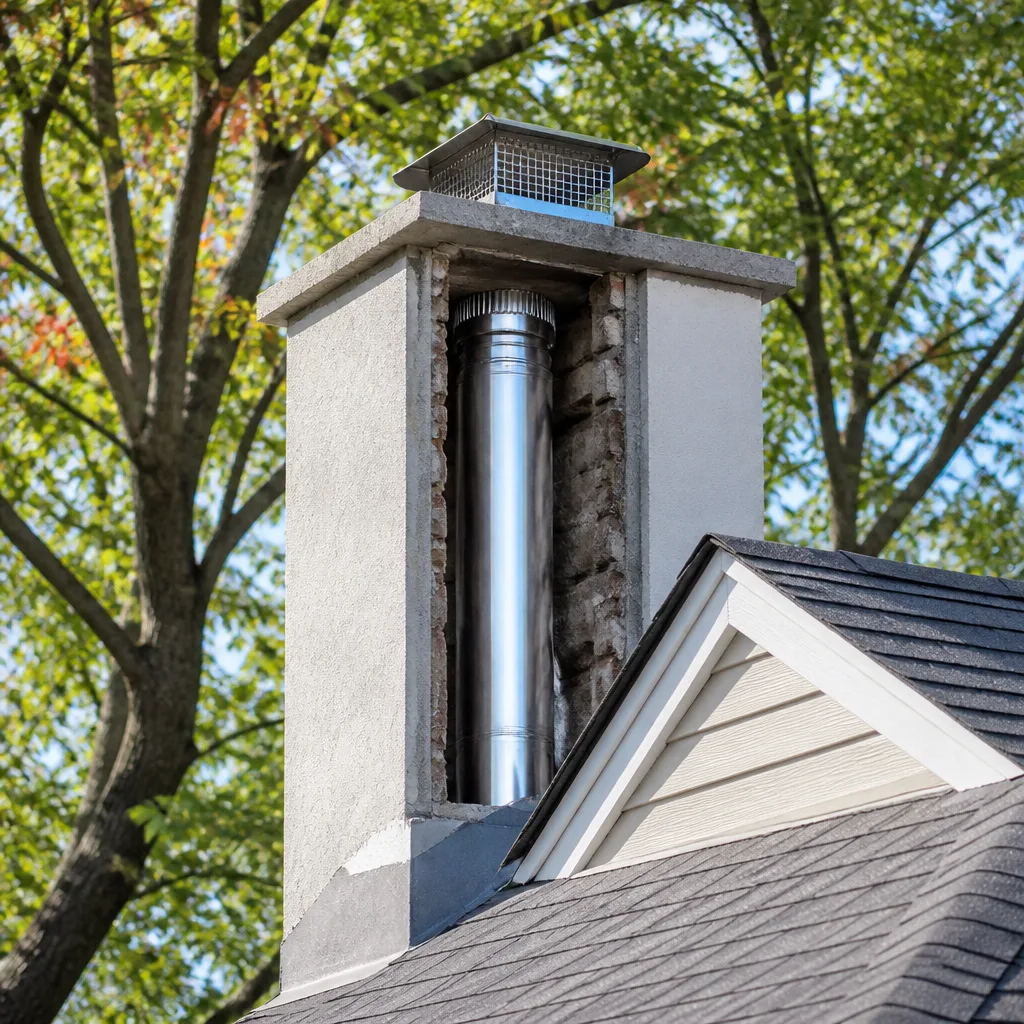
- Replacing a liner when resurfacing would do: We’ve met homeowners told by other companies that they need a full liner replacement when a HeatShield resurfacing would restore the liner at a fraction of the cost and disruption. Get a second opinion if the first one doesn’t show you camera evidence.
When to Call a Professional
Some chimney work can be observed by a homeowner; some work always requires a trained professional. Call for an inspection if you notice any of the following:
- Smoke entering the room during a fire
- A strong smoky smell even when the fireplace is not in use
- Visible cracks in the masonry exterior
- Water stains on the ceiling or walls near the chimney
- Rust on the damper or in the firebox
- Clothes taking noticeably longer to dry
Any of these signals that something has changed inside the system, and the only way to know what is a camera inspection. Chimney Sweep Perris offers free estimates in Perris. Call (833) 593-5414. We answer 24/7. Fast dispatch from 7am to 7pm, Sunday through Friday.
Frequently Asked Questions
Most wood-burning fireplaces in Perris need a professional sweep once per year, scheduled before the November through March burn season. Heavy wood burners going through three or more cords per season should sweep every six months, and gas fireplace users can usually go two years between sweeps but should still get an annual inspection.
Creosote continues to accumulate and harden, and the risk of a chimney fire increases proportionally with each burn. The buildup can also trap moisture, which accelerates liner deterioration and can lead to more expensive repairs down the road. If you skipped a year, don’t light a fire until a camera inspection confirms the flue is safe. Call (833) 593-5414 for a free estimate.
Gas fireplaces don’t produce creosote, so they don’t need sweeping in the traditional sense. However, they still need inspections every one to two years to check venting, damper function, and burner safety. Gas appliances can produce carbon monoxide, and an inspection is the only way to verify the system is doing what it should.
You measure it with a creosote depth gauge, which is a simple tool that reads the thickness of deposits inside the flue. Most homeowners won’t have this tool on hand, which is why a professional sweep includes a camera inspection that shows the actual depth. If creosote is at or above 1/8 inch, the chimney needs cleaning before the next fire.
Yes. We schedule both services as a combined visit, saving you from coordinating two separate contractors. Since both are annual fire risks and both run on similar one-year schedules, pairing them makes the maintenance calendar easier to keep. Call (833) 593-5414 to book both in one appointment.
September is ideal. It’s before the burn season rush, before the first cold night, and it gives you time to address any repairs before you actually want to use the fireplace. October works too, but by November, our schedule fills up quickly and you may find yourself waiting while the temperatures drop. Call (833) 593-5414 to schedule your pre-season sweep.
The Bottom Line
A real chimney maintenance schedule in Perris is about more than an annual sweep. It’s about fuel type, burn volume, and the specific ways our dry, hot climate ages masonry components. Wood burners need annual service, heavy users need semi-annual attention, gas users need inspections, and everyone with a dryer needs vent cleaning every 12 months. The 1/8-inch creosote rule gives you a concrete threshold for knowing when cleaning is due, not a guess. The advice to remember: sweep, inspect, repair in one visit. From the firebox to the cap, we tell you what we find, then give you options.
Written by the team at Chimney Sweep Perris, serving Perris since 2013.
See the difference
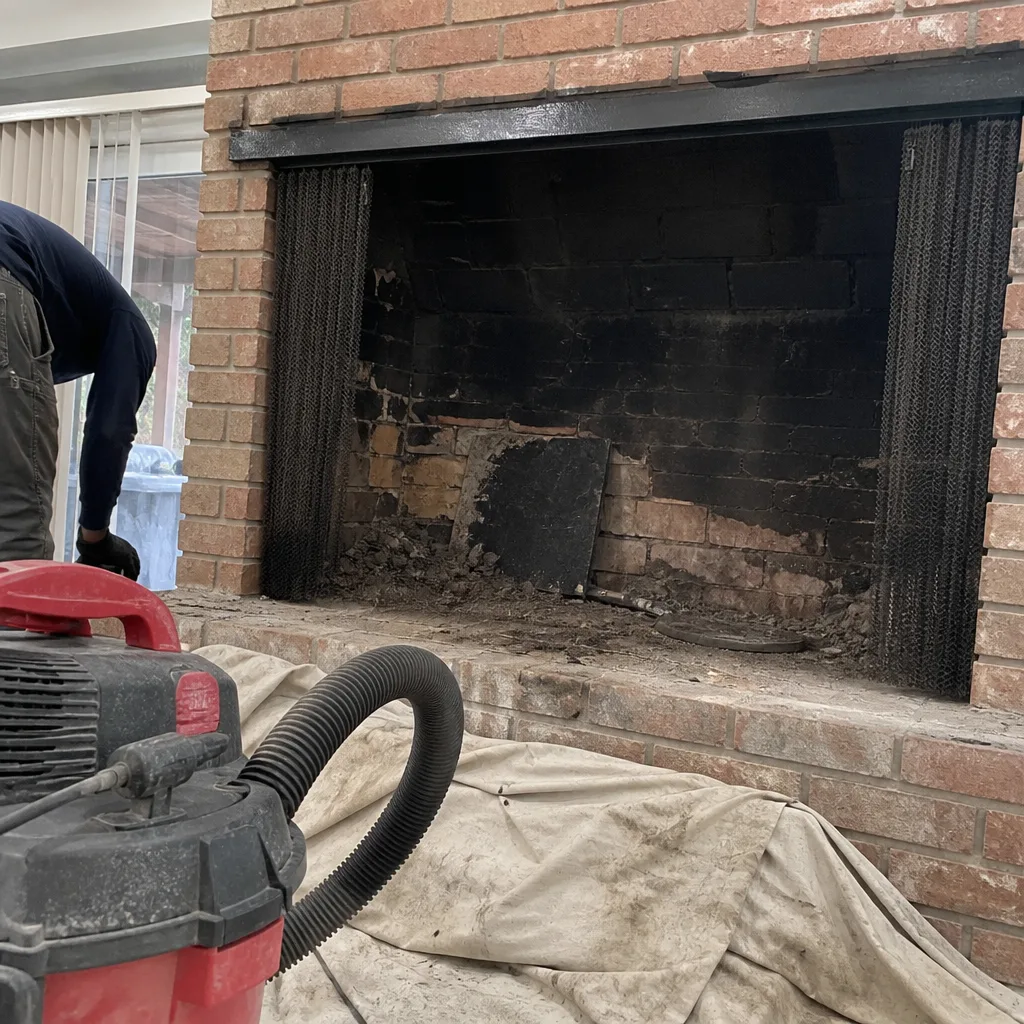 Before
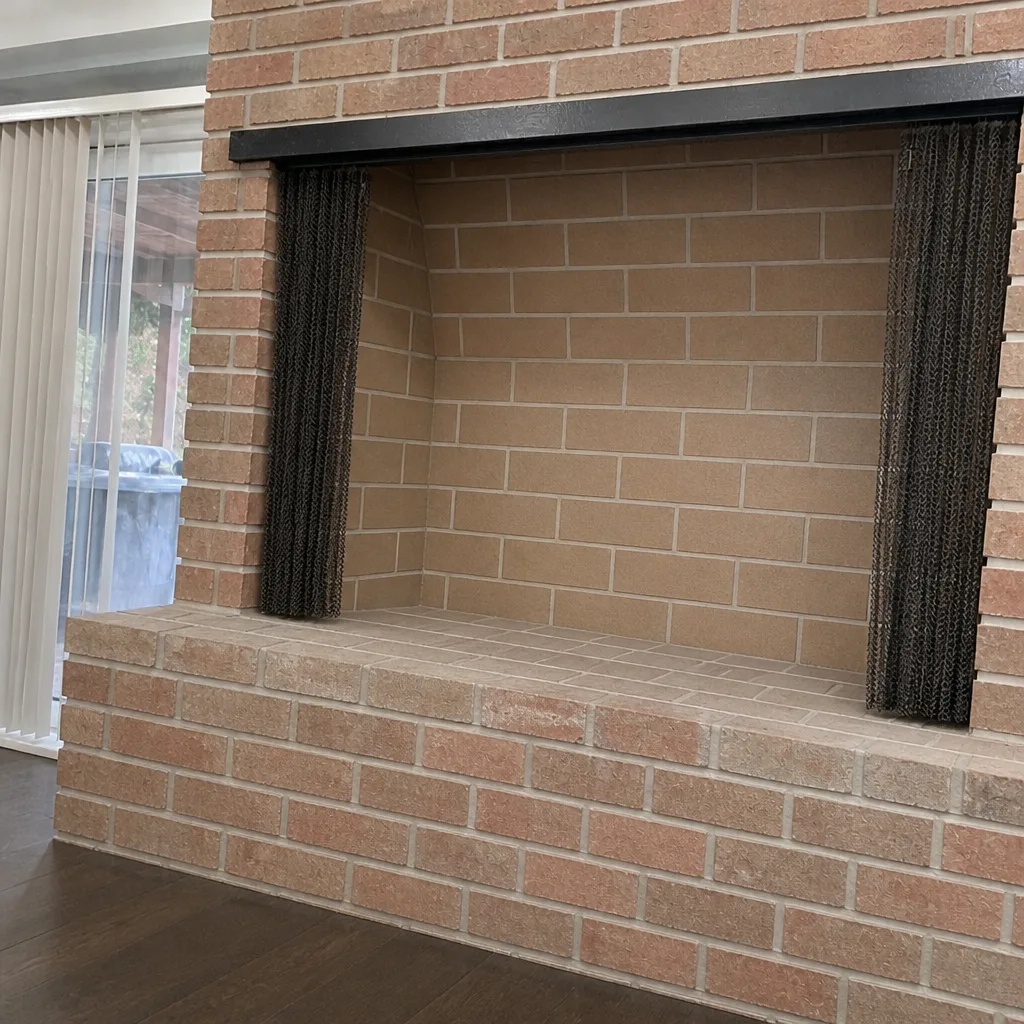 After
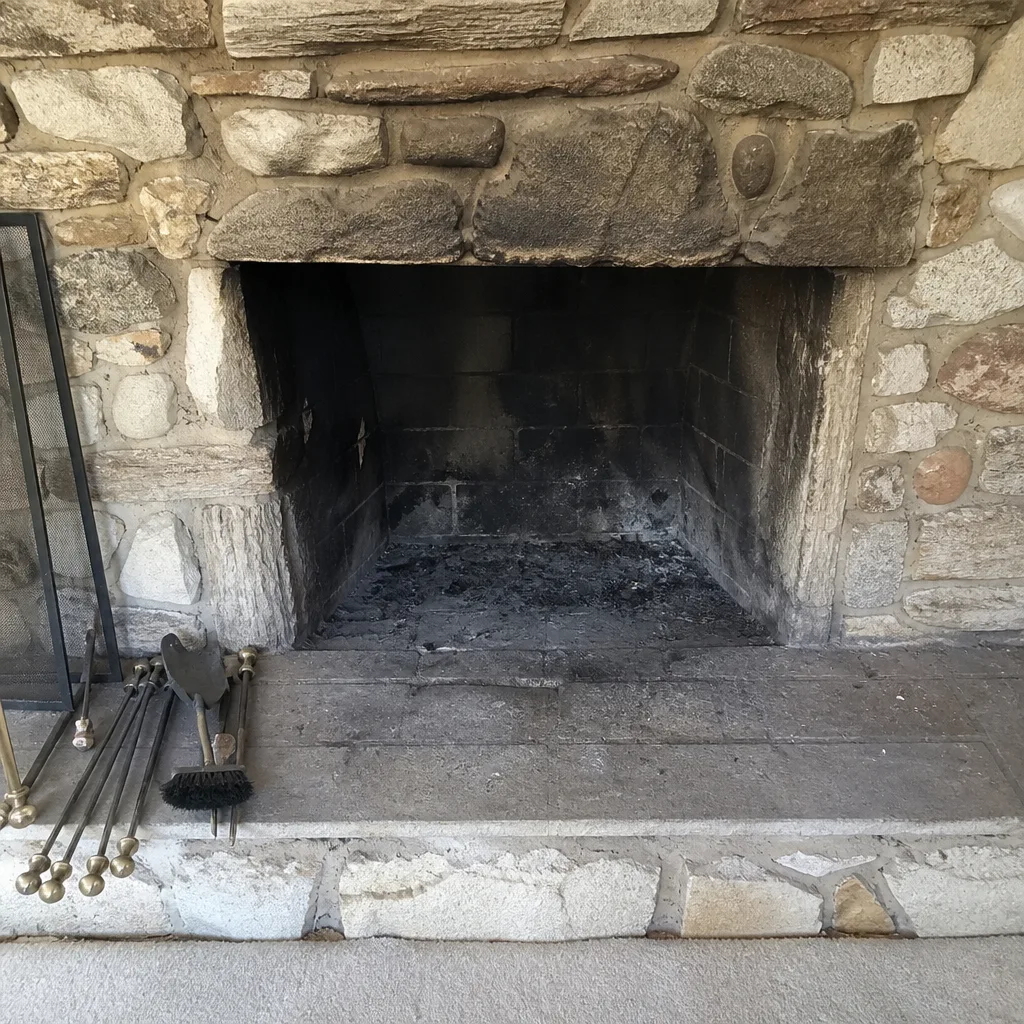 Before
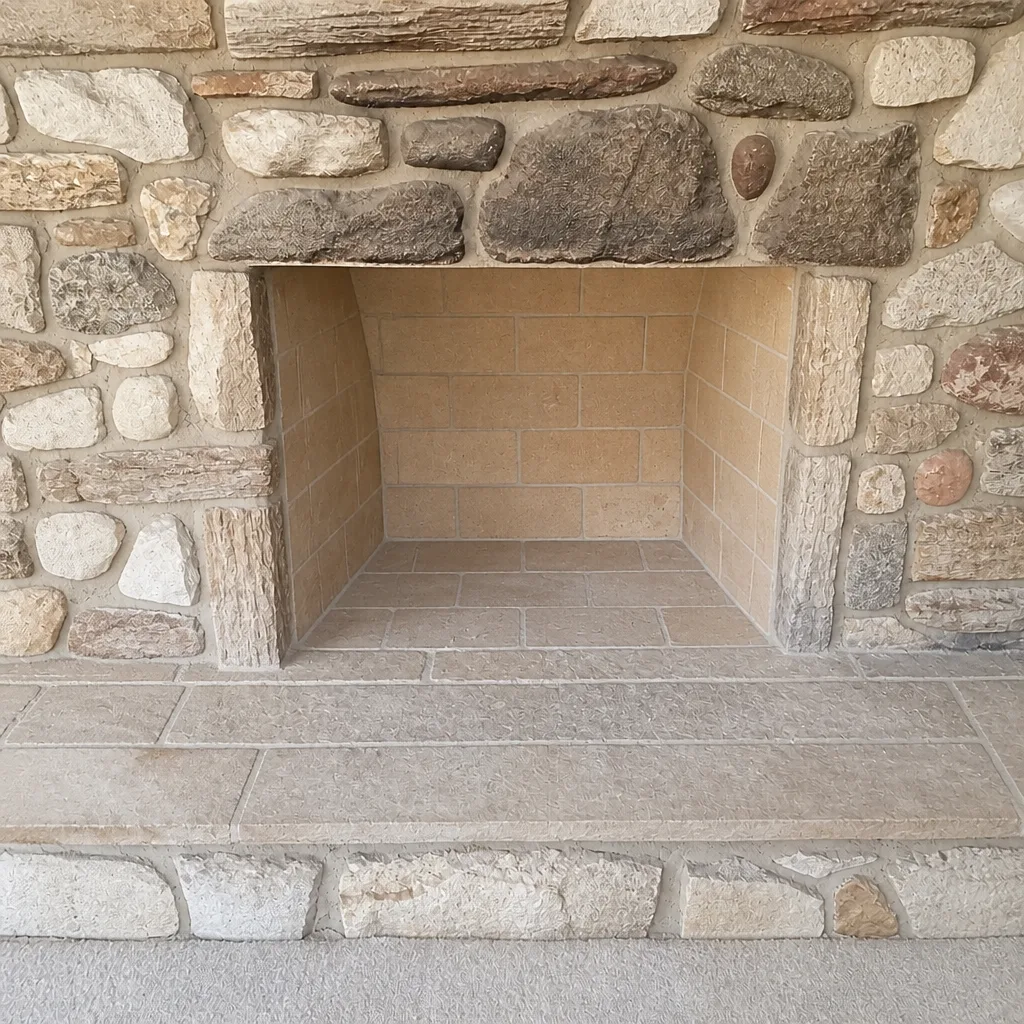 After
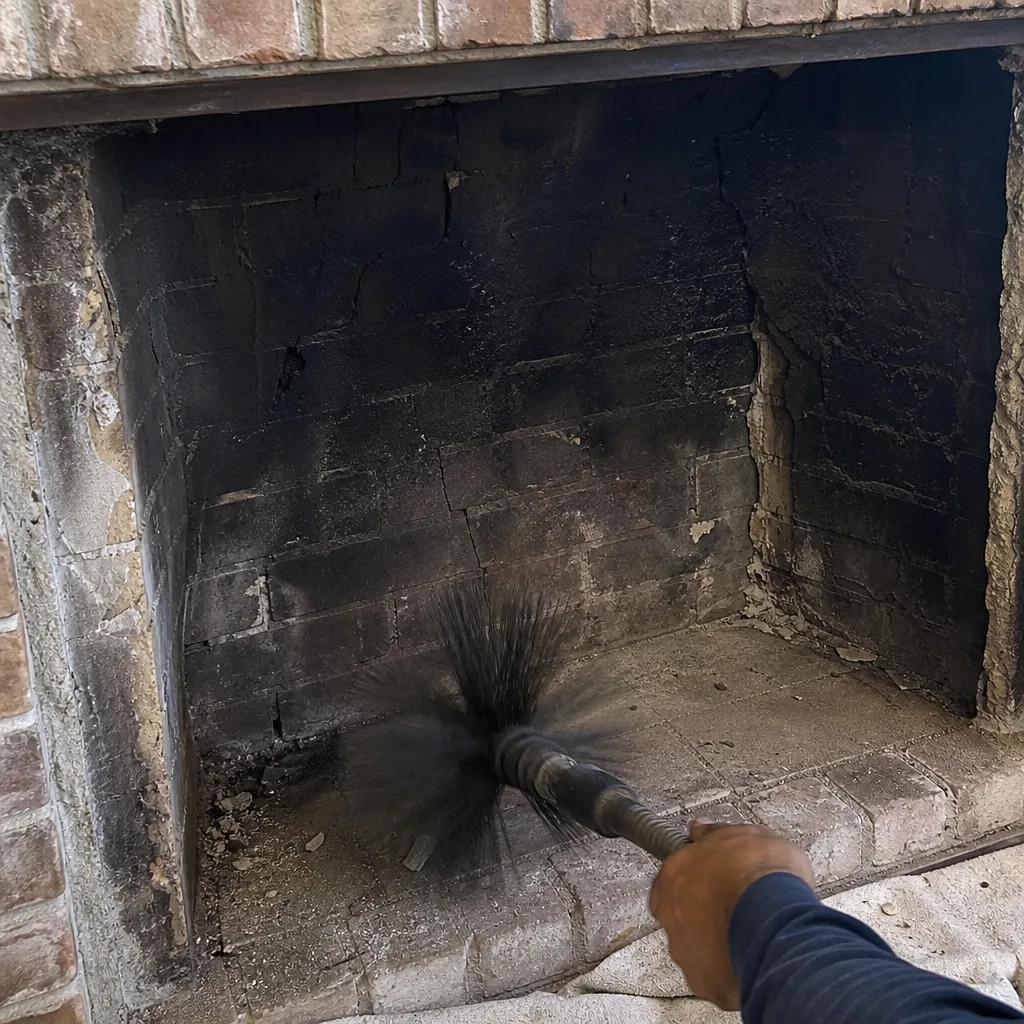 Before
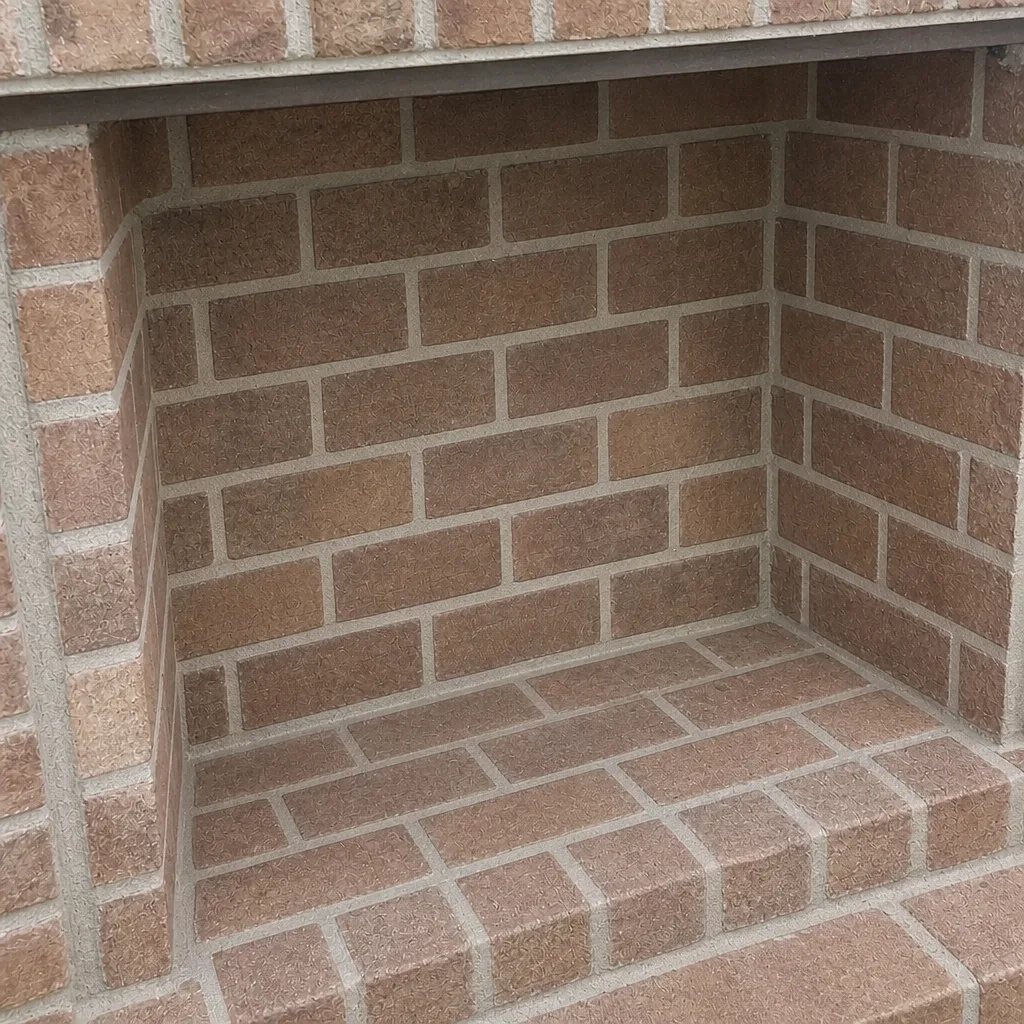 After