
Last updated November 4, 2026
 Sweep & inspection
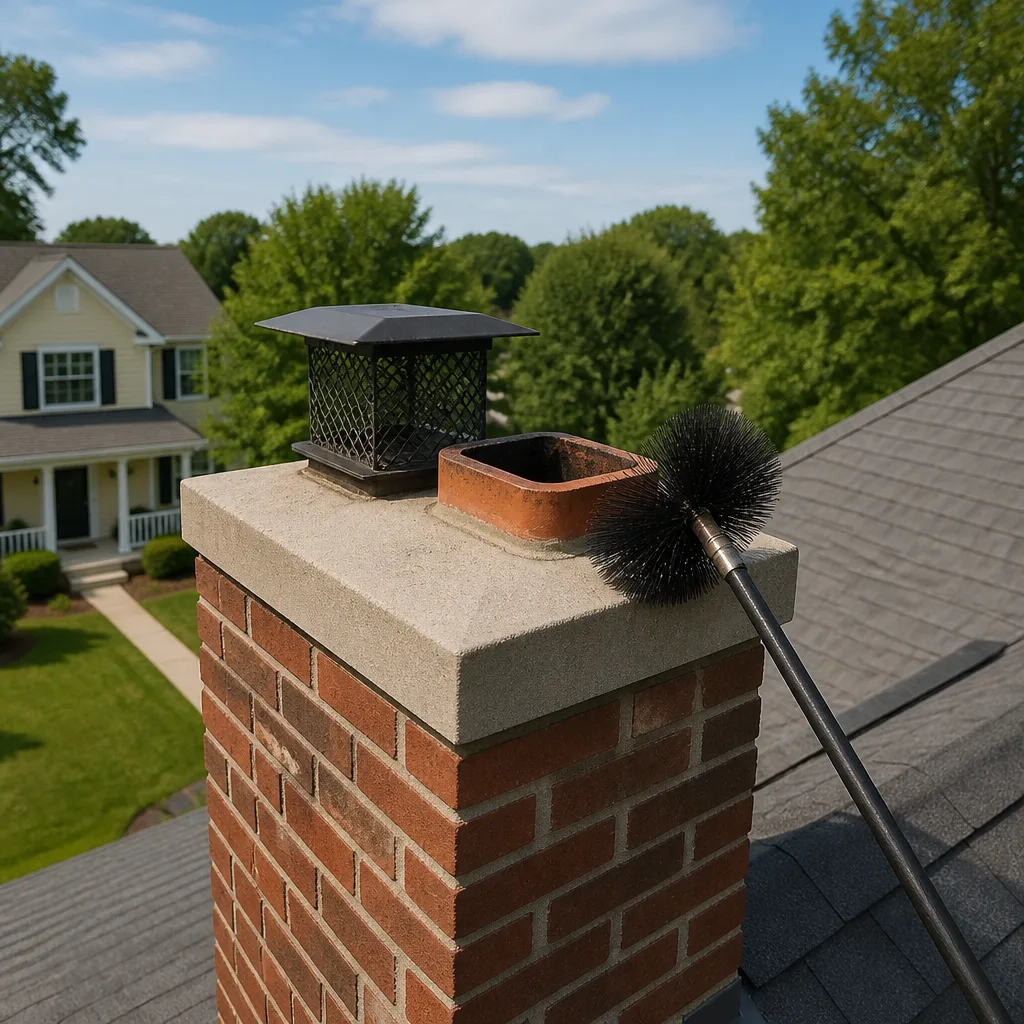
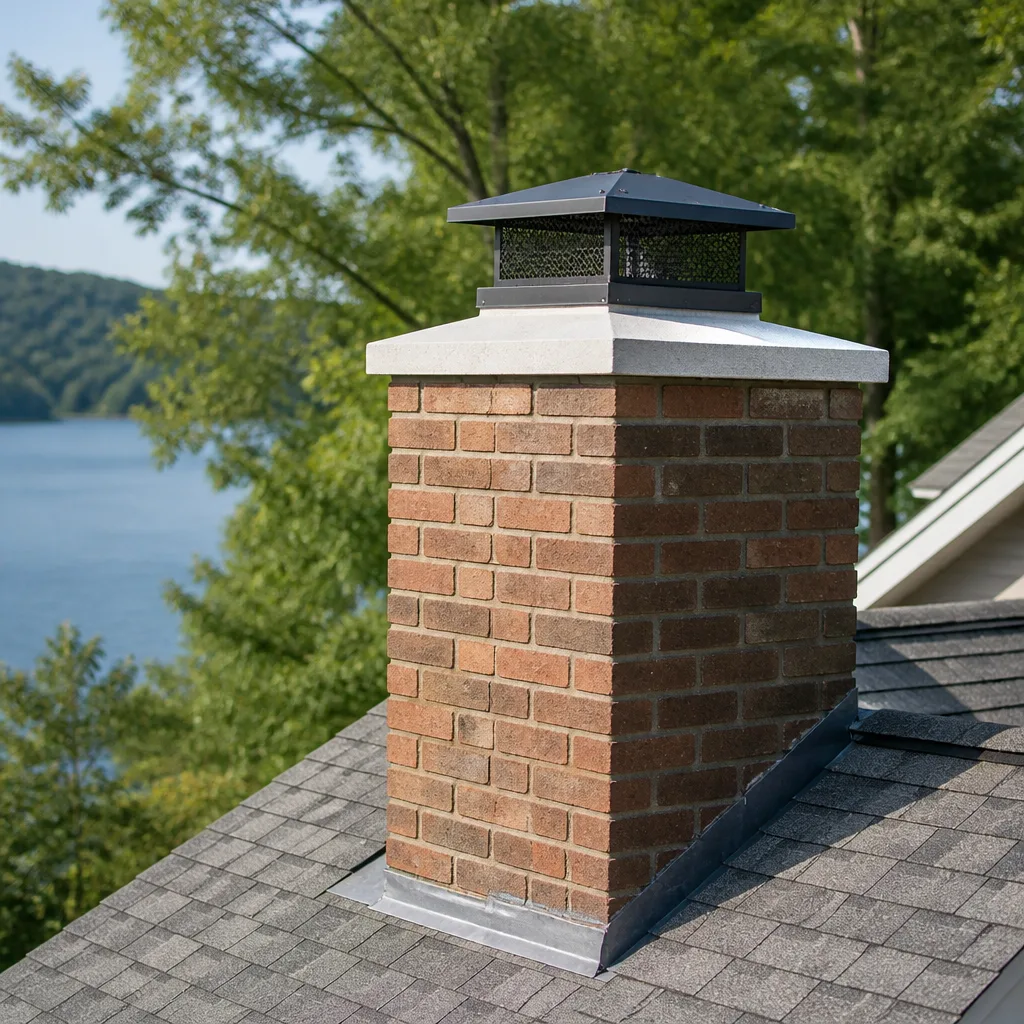 Caps & crowns
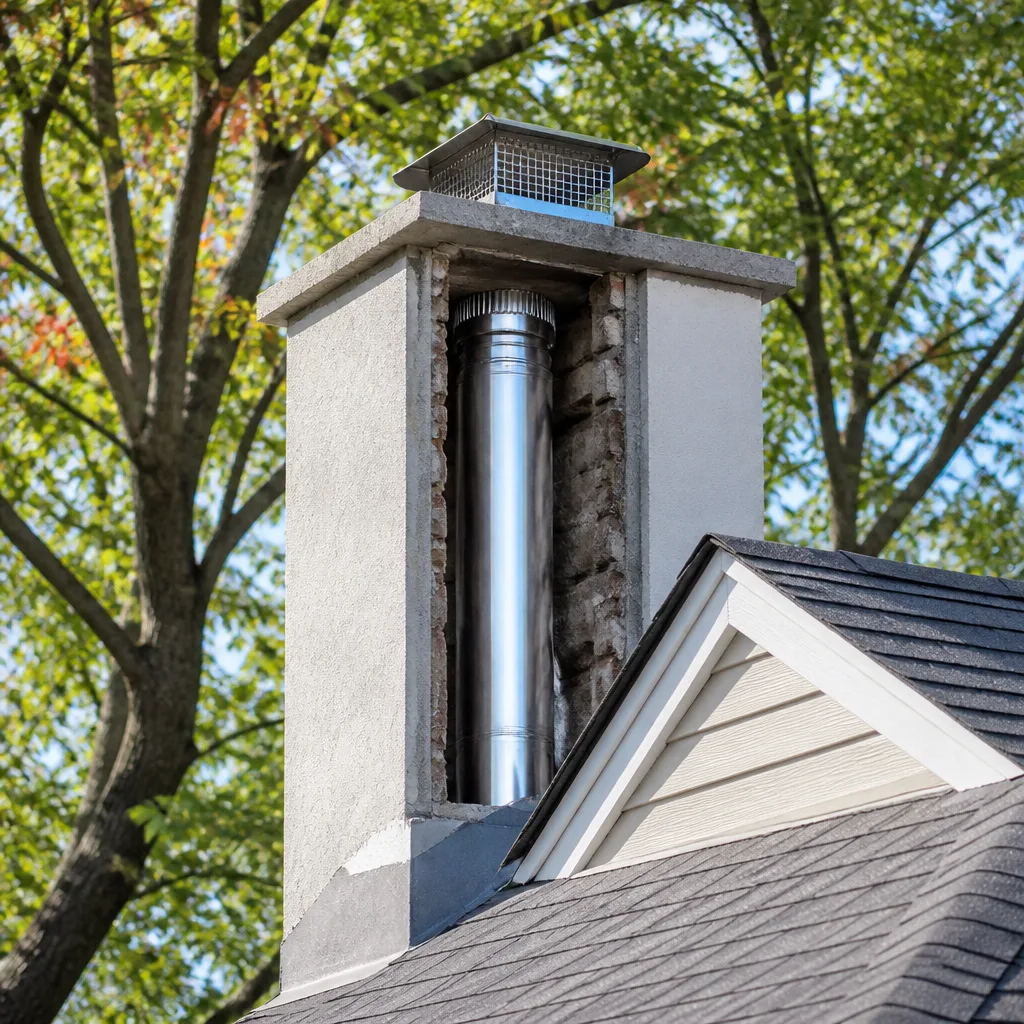 Flue relining
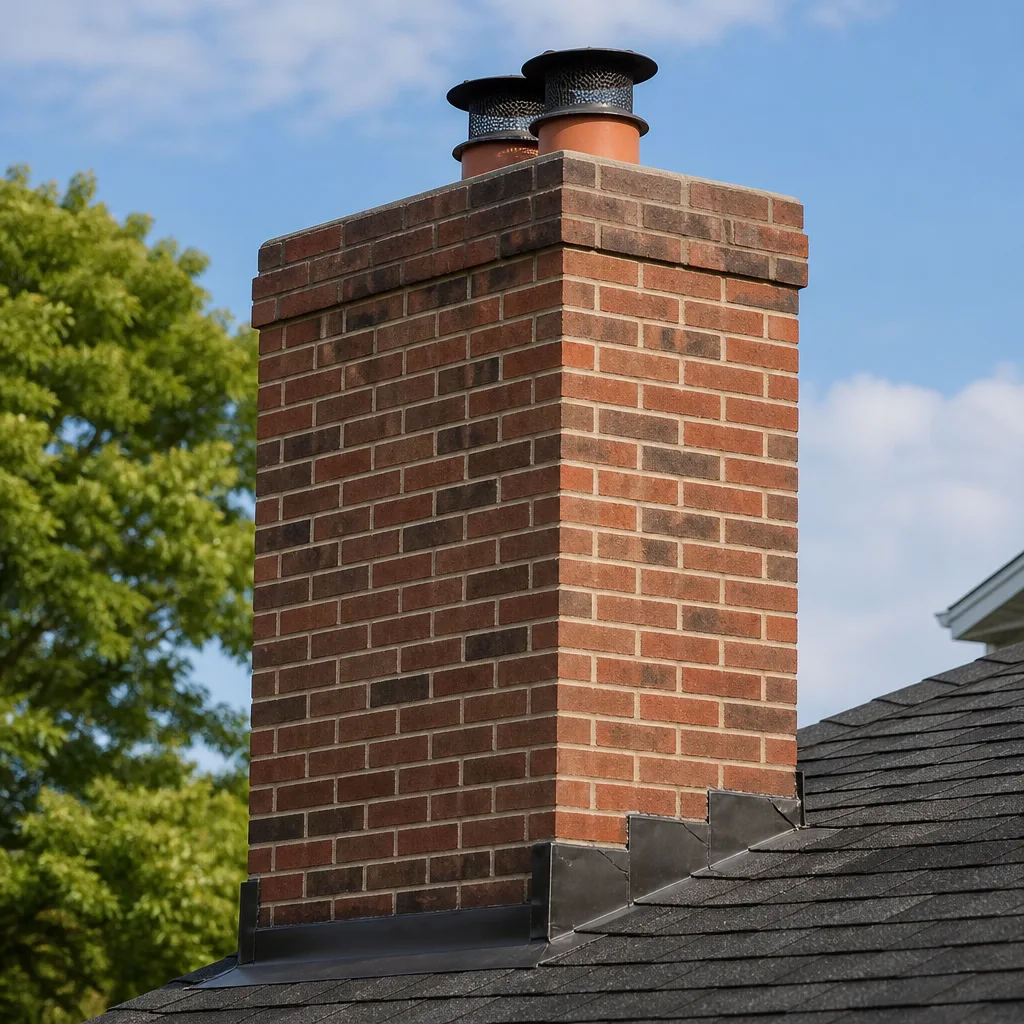 Masonry repair
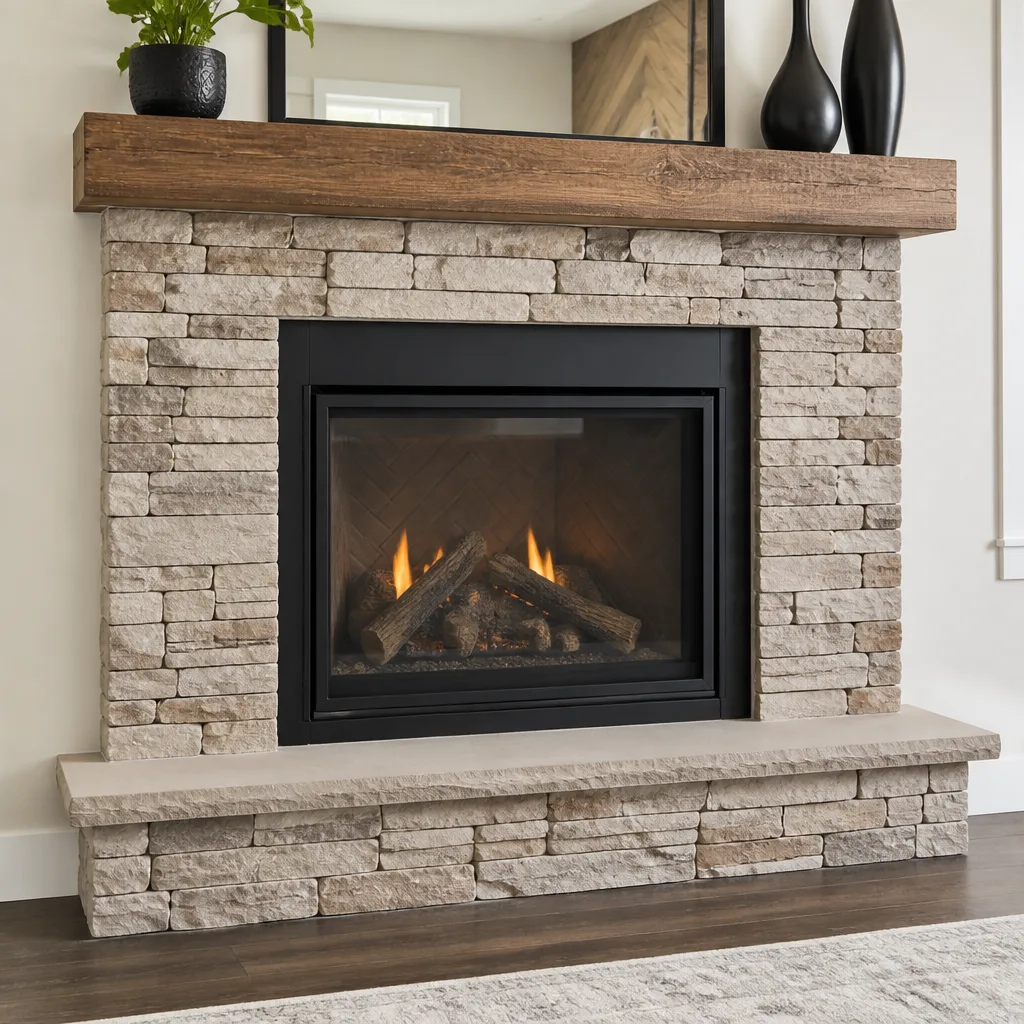 Gas fireplace service
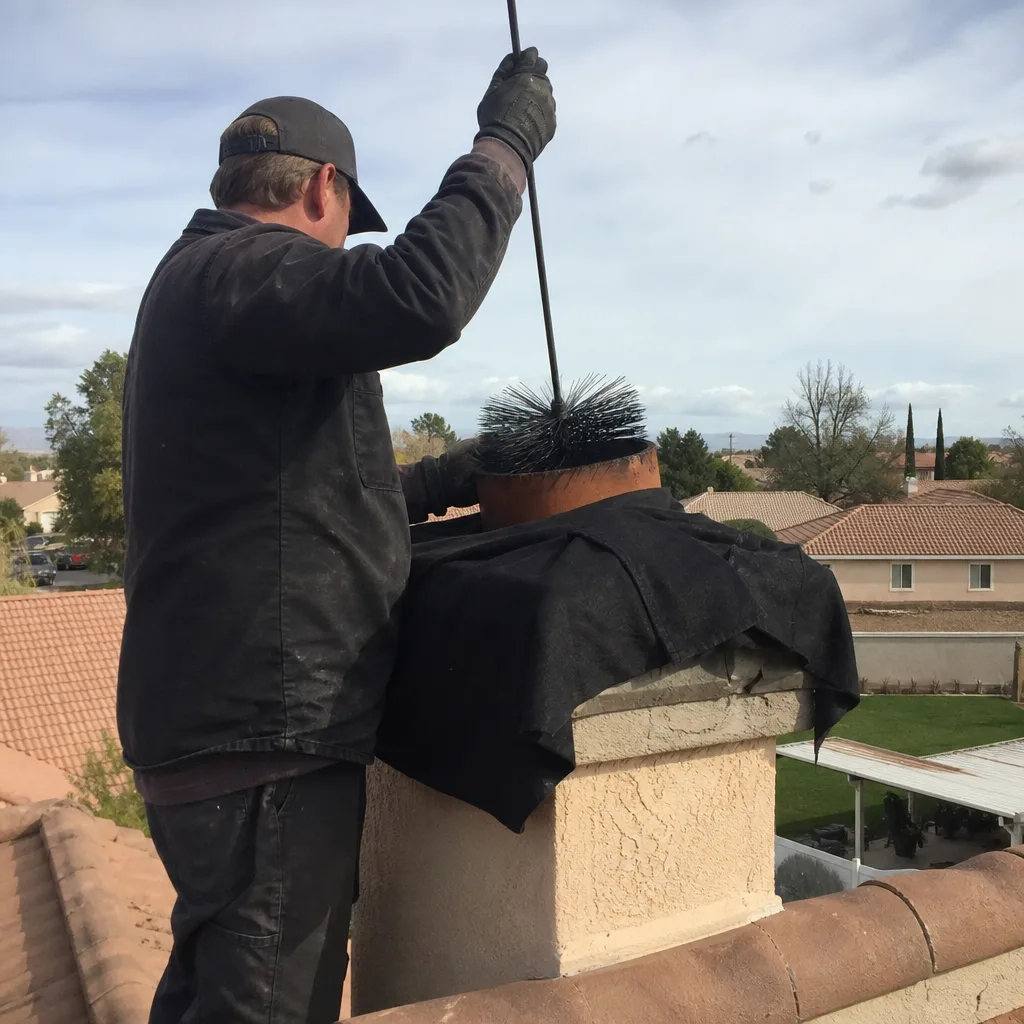
Level 1 sweep and inspection to the NFPA 211 annual standard - flue, crown, cap, and flashing checked and photographed
Chimney sweep logs do not sweep chimneys. They loosen some creosote - which then falls where a brush and vacuum still have to collect it.
Chimney Cleaning Emergency Preparedness Guide for Perris Homes
A chimney fire can burn at over 2,000°F inside the flue, hot enough to crack the liner and ignite the framing around it, and it is often over before the homeowner realizes it started. The damage left behind is frequently invisible from inside the firebox, which is why so many Perris homes go back into service each fall with compromised flues their owners never knew were damaged. This guide gives you a before-the-emergency plan, an in-the-moment response protocol, and a post-event inspection sequence. By the time you finish reading, you will know exactly what to do if your chimney turns against you, and how to make sure it never gets that far.
Quick Answer
Chimney fire emergency preparedness in Perris means having a working CO detector placed near sleeping areas, knowing how to identify a flue fire by its sound and smoke, closing the damper and calling 911 if one starts, and never using the fireplace again until a professional performs a Level 3 inspection. The most practical step you can take today is a professional chimney sweep to remove creosote before burning season starts. After any confirmed chimney fire, documentation from a certified technician is what allows your homeowners insurance claim to move forward.
Styles & brands we work with
- Sweep & inspection
- Caps & crowns
- Flue relining
- Masonry repair
- Gas fireplace service
Table of Contents
- How to Identify a Chimney Fire in Progress
- What to Do in the First 60 Seconds
- Carbon Monoxide Risks in Perris Homes
- The Post-Fire Inspection Protocol
- Documenting Damage for Insurance
- Pre-Season Emergency Preparation
- Common Mistakes to Avoid
- When to Call a Professional
How to Identify a Chimney Fire in Progress
Most people picture a chimney fire as flames shooting out the top of the stack. That is the Hollywood version, and it is rare. A real chimney fire often happens entirely inside the flue, hidden behind brick and mortar, and it announces itself through sound before anything visible. The sound is unmistakable once you know what to listen for: a low roaring, like a freight train passing close to the house, or a series of loud popping and cracking sounds coming from the chimney itself. We have had homeowners describe it as “a jet engine in the wall.”
The visible signs are just as important. Heavy, dense smoke rolling from the chimney cap is one. The smoke from a chimney fire is thicker and darker than normal fireplace exhaust, and it does not thin out the way wood smoke normally does. Sparks or embers shooting out of the top are another sign, though they are not always present. Inside the house, you may see the walls around the fireplace getting unusually hot to the touch, or paint near the mantel starting to bubble or discolor. In a Perris home, where many fireplaces sit in exterior walls, the heat transfer can be felt in the drywall on the other side of the room.
The key point is this: if you hear roaring or popping from the chimney, or see heavy smoke and sparks from the cap, you are likely dealing with a chimney fire. Act immediately. Do not wait to confirm it visually from outside. The window to stop structural damage is measured in minutes, not hours.
What to Do in the First 60 Seconds
Your first priority in a chimney fire is getting people out of the house. Call 911 from outside, not from inside. Here is the sequence, in order:
- Get everyone out of the house. Do not stop to grab belongings. Do not open interior doors unnecessarily; the fire may be starving for oxygen, and opening a door feeds it.
- Call 911 from a cell phone once you are outside, or from a neighbor’s house.
- Close the damper if you can reach it safely. This is the only action you should take inside the house, and only if you can do it in a few seconds. Closing the damper cuts off some of the fire’s air supply. If the fireplace doors are glass, close those too. Do not open the fireplace doors.
- Do not use water. Never throw water on a chimney fire. The thermal shock can shatter the flue liner and turn a contained fire into a full structural fire. Let the fire department handle suppression.
- Do not return to the house until the fire department tells you it is safe.
In Perris, where summer heat has dried out surrounding vegetation and many homes sit close together, a chimney fire that escapes the flue becomes a neighborhood-scale threat. The response time matters, but so does not making the fire worse through improper action.
Carbon Monoxide Risks in Perris Homes
Carbon monoxide is the risk that does not announce itself. No sound, no smoke, no heat. Just a colorless, odorless gas that builds up when combustion gases spill into the living space instead of venting up the flue. In Perris, where homes are increasingly weatherized to keep out the desert heat, that tight envelope works against you: the same air sealing that holds cool air in during August holds CO in during December.
The risk is highest with gas fireplaces, which burn cleanly enough that homeowners run them for hours at a stretch. A blocked or damaged flue on a gas fireplace can push CO into the room slowly, over hours, while everyone sleeps. A wood fireplace with a partially closed damper does the same thing. Either way, the first symptom is usually a headache, then nausea, then confusion. People often mistake it for the flu.
What a CO detector placement plan looks like for a Perris home with a fireplace:
- One detector on every level of the house, regardless of where the fireplace sits.
- One detector within 15 feet of every sleeping area. The goal is to wake you up, not to monitor the fireplace itself.
- Do not place the detector directly above the fireplace. Heat and normal combustion byproducts cause nuisance alarms. Place it on the wall or ceiling, at least 10 feet away from the fireplace.
- Test detectors monthly. Set a recurring phone reminder. This is the single most-overlooked step in CO safety.
- Replace units every 7 years, or per the manufacturer’s date stamp on the back.
If a CO detector goes off, treat it as a confirmed emergency. Get everyone outside, call 911, and do not go back in until the fire department gives clearance. A CO alarm is not a warning to investigate on your own.
The Post-Fire Inspection Protocol
After any chimney fire, confirmed or suspected, the fireplace cannot be used again until a professional performs what the industry calls a Level 3 inspection. A Level 1 is the standard visual check done during a routine sweep. A Level 2 adds video scanning of the flue interior, often required during a real estate transaction. A Level 3 is the highest level, reserved for when structural damage is suspected or known to have occurred. It involves accessing concealed areas of the chimney, sometimes through partial demolition of surrounding wall or masonry, to directly examine the flue, the liner, and the surrounding framing.
Why a Level 3 is required after a flue fire: the temperatures involved are high enough to crack clay tile liners, warp stainless steel liners, and compromise mortar joints in ways that are invisible from the firebox or the roof. A visual check will not catch damage in the middle of the flue. Running the fireplace again on a cracked liner puts heat, sparks, and combustion gases directly against the home’s framing. That is how a chimney fire that “went out on its own” becomes a house fire two months later.
The protocol we follow in Perris is this:
- Full visual inspection of the firebox, damper, smoke chamber, and exterior masonry.
- Video scan of the entire flue from top to bottom, looking for cracks, gaps, warping, and creosote glazing left behind by the fire.
- Level 3 access if indicated: opening up the area around the flue if the video shows damage that requires direct examination.
- Written report with photos and video stills, documenting every finding. This report is what the insurance company needs.
- Repair plan: options for relining, resurfacing, or rebuilding, depending on what the inspection found.
We carry Chimney Sweep Perris repair capability on our trucks for exactly this scenario. In many cases, the repair can be scheduled the same week as the inspection, and the same crew handles both. If the fire damaged the liner, options like HeatShield resurfacing or a DuraFlex reline can return the chimney to service without a full masonry rebuild. That is the difference between a repair that costs a few thousand dollars and a demolition that costs five times that.
Documenting Damage for Insurance
Most homeowners insurance policies in California cover chimney fire damage, but the claim process favors the prepared. The adjuster will want evidence of the cause, the extent, and the necessary repair scope. Here is what you need to gather, and what a technician’s report must include for the claim to move:
What you document yourself, immediately after the fire:
- Photos of any visible damage: cracks in masonry, discolored walls near the fireplace, damaged chimney cap, warped damper.
- The date and time of the fire, and what you heard and saw. Write it down while it is fresh.
- The fire department report, if they responded. Ask for a copy by email or in person. This is often the single most important piece of evidence.
- Any receipts from previous chimney sweeps or repairs. They establish that you were maintaining the system.
What the technician’s report must include:
- Confirmation that a chimney fire occurred, based on physical evidence inside the flue: creosote glaze, cracked tiles, discolored metal, separated mortar joints.
- Photo and video documentation from the inspection.
- A written scope of repair with the specific components affected: flue liner, crown, cap, firebox, damper, smoke chamber.
- A statement that the system is unsafe for use until the listed repairs are completed.
- The professional opinion on the cause, typically creosote buildup or a structural defect.
The repair scope should reference the brand of materials to be used where applicable. A reline spec that calls for materials the trade trusts, like HeatShield resurfacing or a DuraFlex liner, communicates to the adjuster that the estimate reflects industry-standard materials rather than an inflated quote. That specificity saves weeks of back-and-forth.
We recommend having the inspection done within days of the fire, not weeks. Evidence degrades: creosote glaze can be obscured by weather, and the adjuster’s own inspector may interpret delayed documentation as lack of urgency.
Pre-Season Emergency Preparation
The best emergency response is the one you never have to execute, and the second best is the one you have rehearsed. Here is what a pre-season preparation routine looks like for a Perris household with a fireplace. It takes an hour, once a year, and it puts you ahead of nearly every emergency scenario:
- Schedule the sweep. Burning season in Perris runs roughly November through February, with the heaviest use around the holidays. A chimney sweep before first burn removes creosote, confirms the damper works, and gives a baseline for the season. This is the highest-impact single action on this list.
- Save the contractor’s number in your phone. Do not rely on memory or a paper magnet. Add it to your contacts today, before you need it.
- Know where the damper handle is in the dark. If smoke starts entering the room during a burn, closing the damper is the first defensive action. In a smoke-filled room, you will not have time to fumble. Test the damper now, in daylight, and note its position.
- Test the CO detectors. Replace batteries, check the unit age, and confirm you have one near every sleeping area per the placement plan above.
- Close the fireplace down safely. If smoke starts entering the room during a burn, close the damper immediately, open a window in the room to establish cross-ventilation, and move everyone outside. Call your sweep service before using the fireplace again; smoke backing up into the room usually means a ventilation problem that the sweep will need to diagnose.
- Check the dryer vent cleaning schedule too. Dryer vents are the other major appliance-related fire source in Perris homes. If you are preparing the fireplace for the season, the dryer vent deserves the same attention. Both fire risks, one call.
Common Mistakes to Avoid
- Assuming the fire went out on its own, so the chimney is fine. Chimney fires frequently self-extinguish once the creosote burns off, but the liner may already be cracked. The system is not safe until it is inspected.
- Throwing water on a chimney fire. The thermal shock can shatter clay liners and spread the fire into the framing. Use the 911 call and damper closure, nothing more.
- Placing a CO detector in the same room as the fireplace and assuming that is enough. Detectors near the fireplace trigger false alarms, and a single unit down the hall does not wake someone in the back bedroom. The placement plan matters.
- Skipping the pre-season sweep because “it was fine last year.” Creosote accumulation depends on burn habits, wood type, and weather. Every year is different, and a year of apparently fine burns can hide a gradual buildup that ignites in the next season.
- Filing an insurance claim without an independent technician’s report. The adjuster is not going to take your word for the extent of the damage. A documented inspection with video evidence is the difference between an approved claim and a denied one.
- Using the fireplace after a small chimney fire because “it looked fine from the outside.” The damage is on the inside of the flue. Looking at the exterior brick tells you nothing.
When to Call a Professional
Call a professional chimney contractor if you hear roaring or popping from your chimney, see heavy smoke or sparks from the cap, smell smoke in the house after the fire is out, or hear a CO detector go off while the fireplace is running. Call before burning season if you have not had a sweep in the past year, if you see creosote flakes in the firebox, or if you notice any cracks in the masonry. Call after any chimney fire, no matter how small it seemed. Chimney Sweep Perris offers free estimates in Perris, and our crews handle sweep, inspection, and repair from the firebox to the cap in one visit. Call (833) 593-5414. We answer 24/7. Fast dispatch from 7am to 7pm, Sunday through Friday.
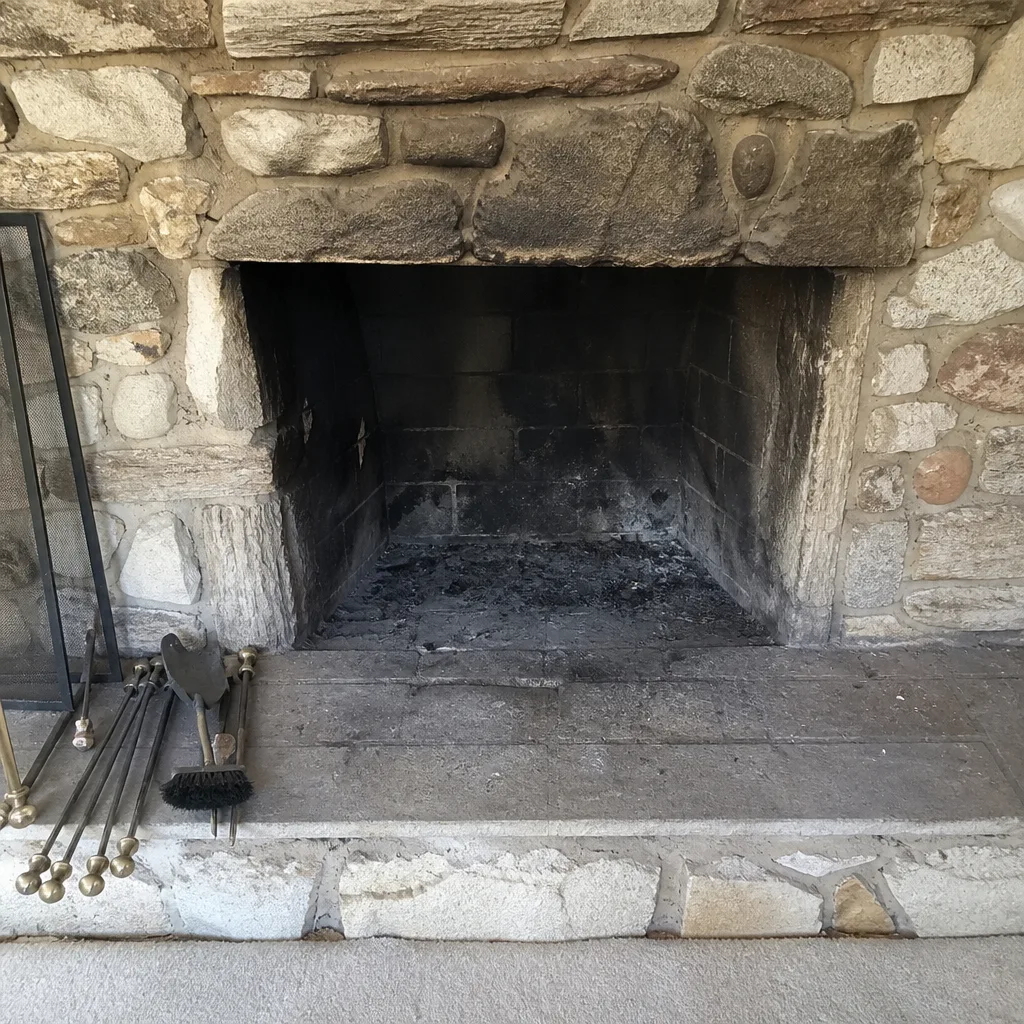
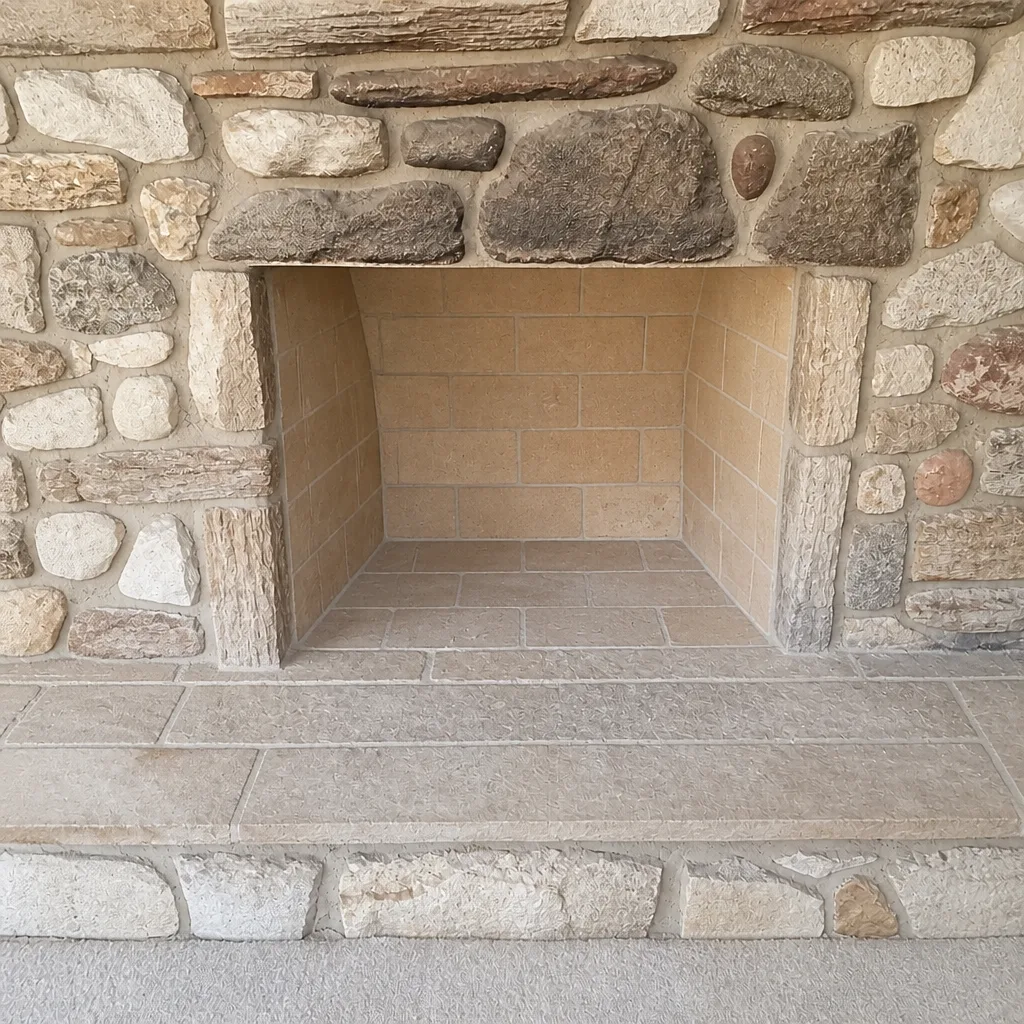
See the difference
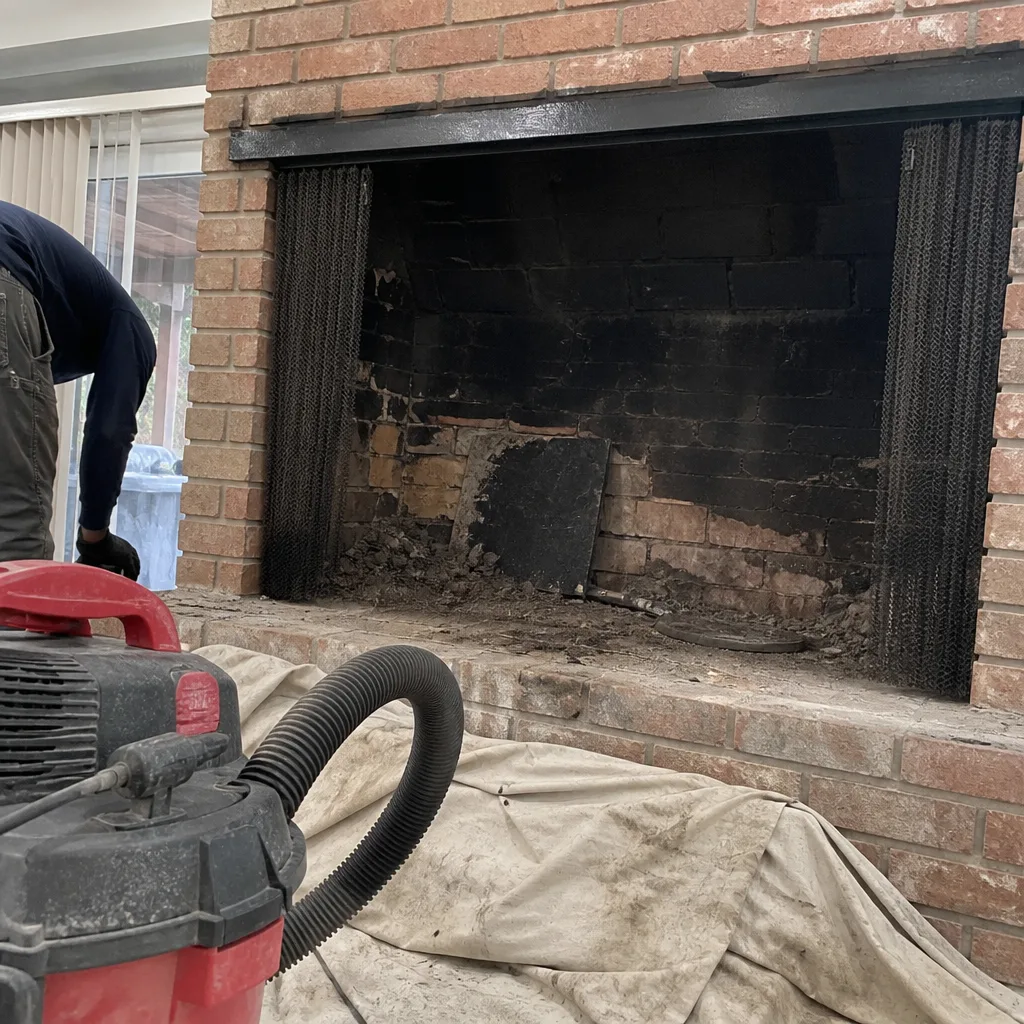 Before
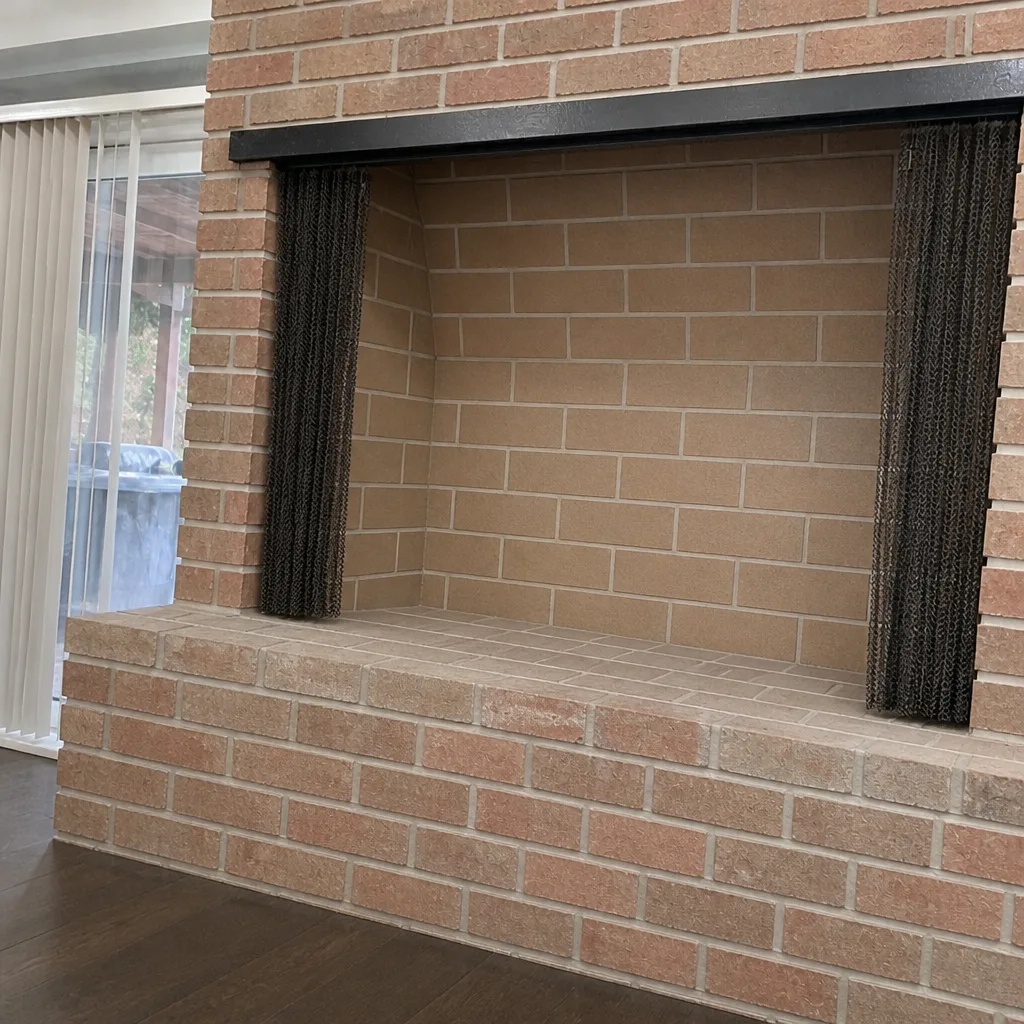 After
 Before
 After
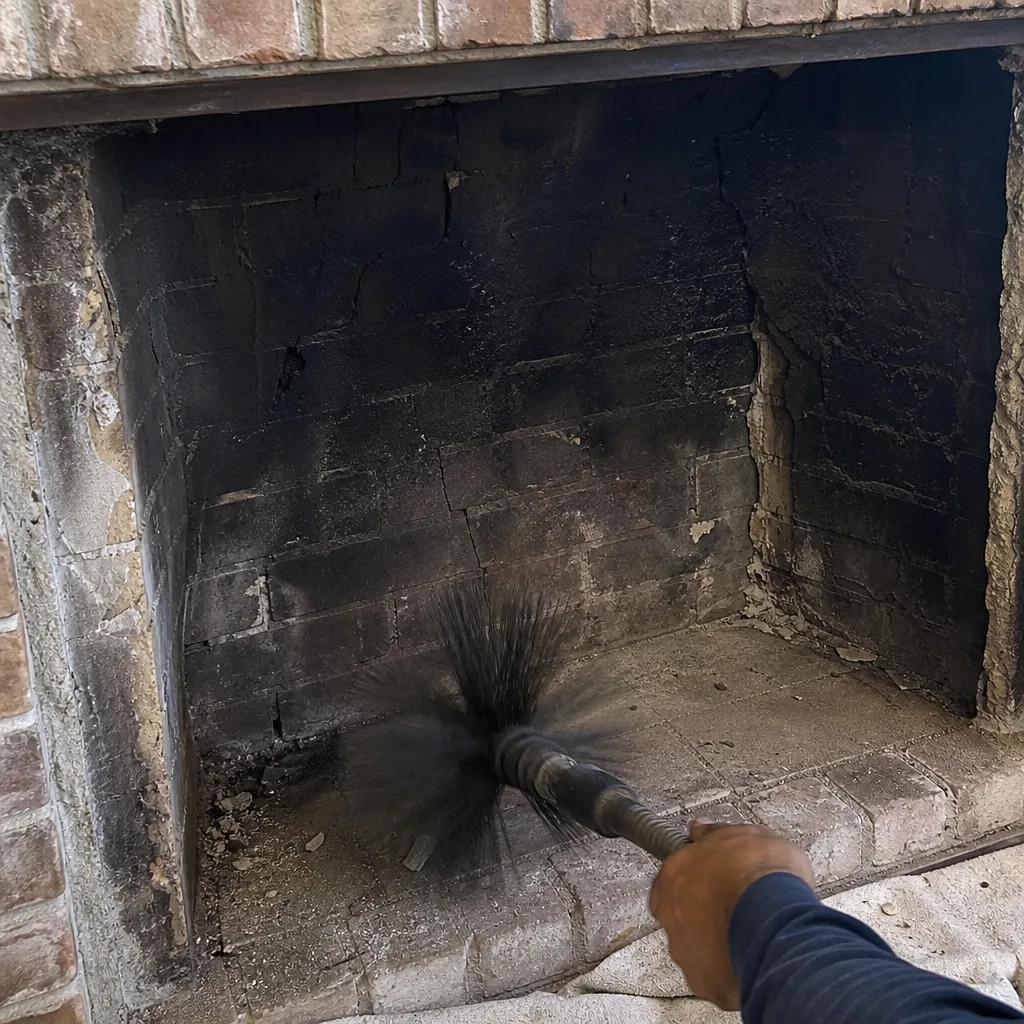 Before
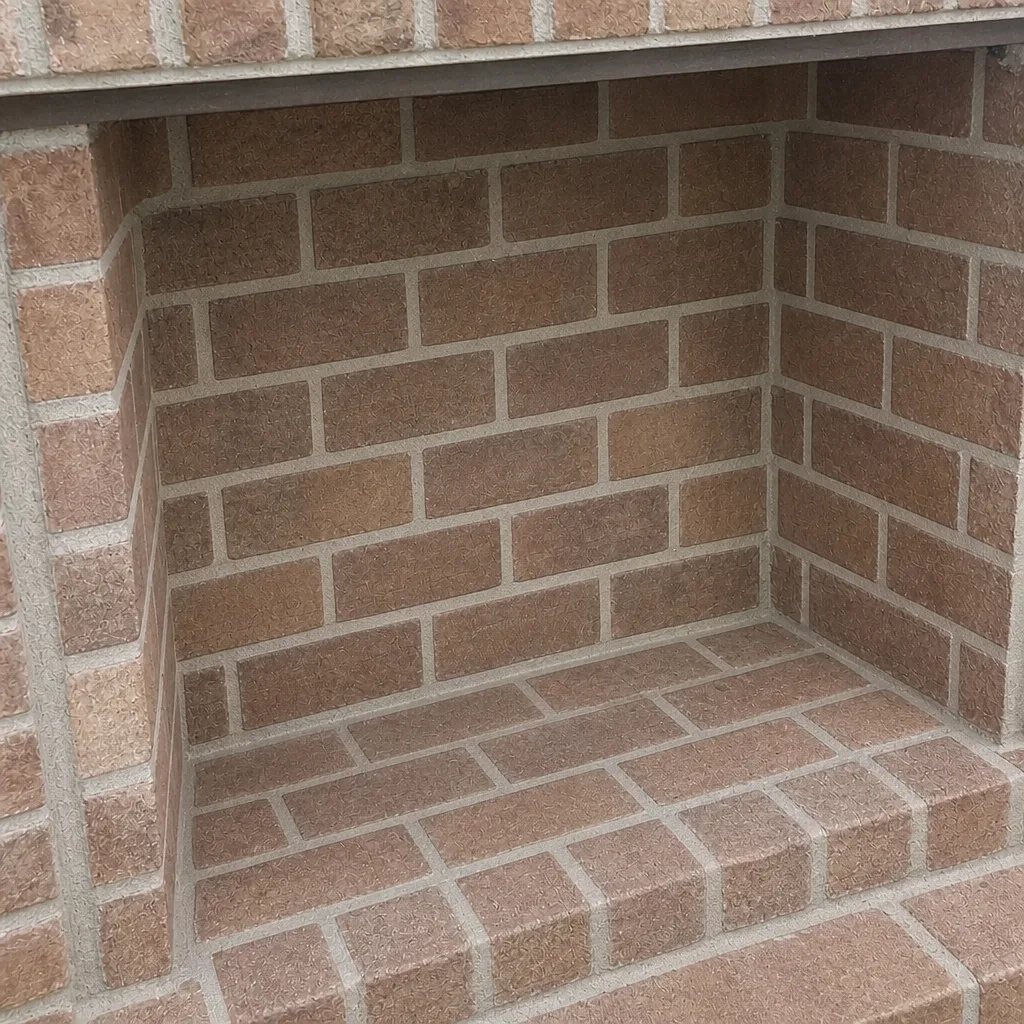 After
Frequently Asked Questions
How do I know if my chimney caught fire?
You will likely hear a loud roaring or popping sound from the chimney, like a freight train or a jet engine, along with heavy thick smoke pouring from the cap. If you see sparks or embers from the top, or the walls around the fireplace feel unusually hot, get everyone outside and call 911. After the event, call (833) 593-5414 for a certified inspection before using the fireplace again.
What should I do immediately when a chimney fire starts?
Get everyone out of the house first, then call 911 from outside. If you can reach the damper quickly, close it and any glass fireplace doors before you leave, but do not spend more than a few seconds on this. Never throw water on the fire, and do not go back inside until the fire department clears the house. Call (833) 593-5414 to schedule the post-fire inspection as soon as possible.
Can I use my fireplace after a chimney fire if it looks okay?
No. A chimney fire can exceed 2,000°F inside the flue, and the damage from that heat, cracked liners, warped metal, separated mortar joints, is almost always invisible from the outside. The fireplace must be inspected by a professional and cleared for use before you burn again. Estimates are free at (833) 593-5414.
Why does my CO detector go off when I use the gas fireplace?
A CO detector alarm during fireplace use means combustion gases are spilling into the living space, not venting up the flue. The cause is usually a blocked or damaged flue, a closed damper, or an undersized vent. Get everyone outside, call 911, and do not use the fireplace again until it has been inspected. For an inspection in Perris, call (833) 593-5414.
How often should I have my chimney swept in Perris?
Once a year, before burning season starts, is the standard for wood-burning fireplaces. Gas fireplaces need annual inspection too, though they produce less creosote. If you burn frequently, or burn green wood, more frequent sweeps may be needed. A chimney sweep can tell you exactly what your flue needs after the first inspection.
Does homeowners insurance cover chimney fire damage?
Most California policies cover chimney fire damage, but the claim process requires documentation: a fire department report, photos of visible damage, and a professional inspection report detailing the flue condition and repair scope. The stronger the documentation, the faster the claim moves. We write our reports with insurance adjusters in mind, and we tell you what we find, then give you options. Call (833) 593-5414 to schedule an inspection.
The Bottom Line
A chimney fire is a fast, silent-before-it-is-loud event that leaves damage you cannot see. The preparation that matters is simple and annual: sweep the flue before burning season, maintain CO detectors on every level and near sleeping areas, know what a chimney fire sounds like, and have a plan for the first 60 seconds. If a fire does happen, the path forward is equally clear: 911, no water, no more fires until a Level 3 inspection confirms the flue is sound. In Perris, with our tight homes and long stretches of dry heat that turn small fires into structure fires, this preparation is not optional. It is the cost of owning a fireplace and sleeping well. Call (833) 593-5414 to schedule your pre-season sweep or post-fire inspection. We answer 24/7. Fast dispatch from 7am to 7pm, Sunday through Friday.
Written by the team at Chimney Sweep Perris, serving Perris since 2013.