
Last updated November 4, 2026
 Sweep & inspection
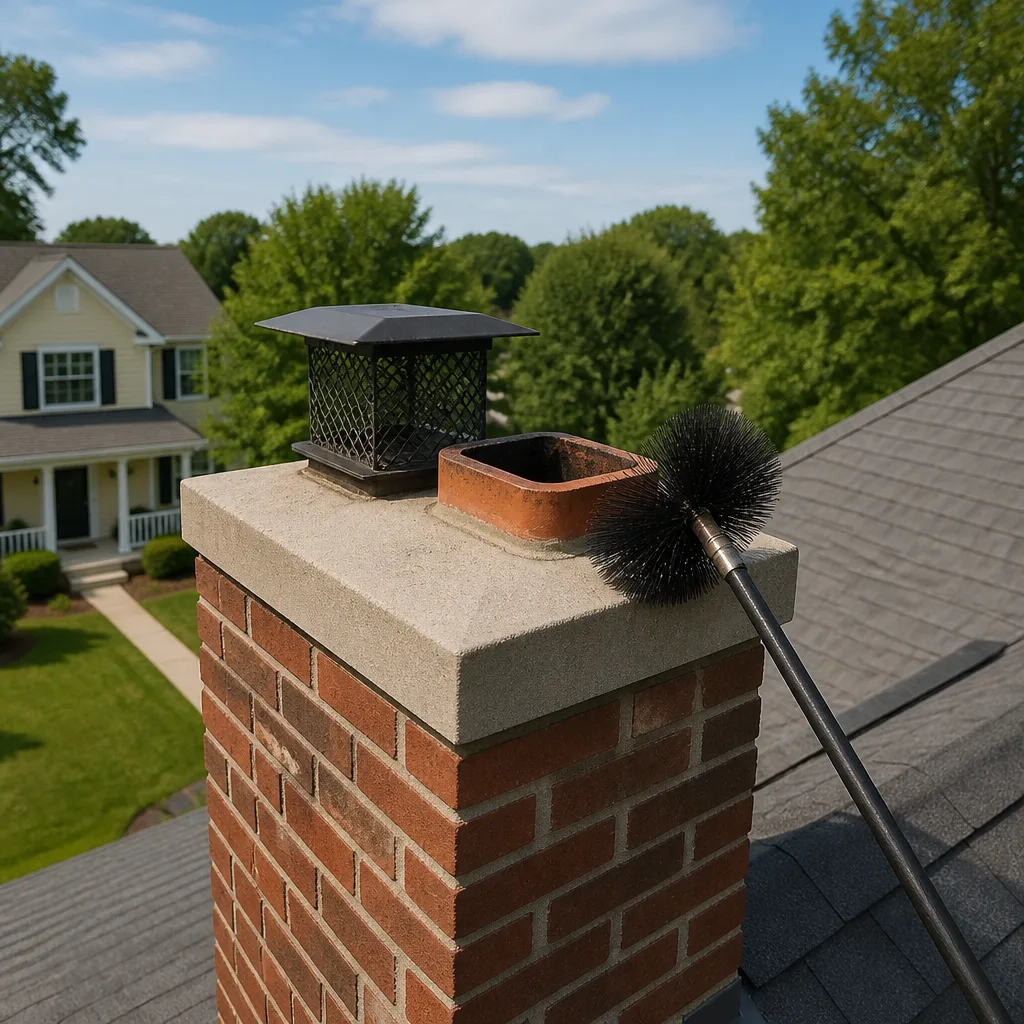
 Caps & crowns
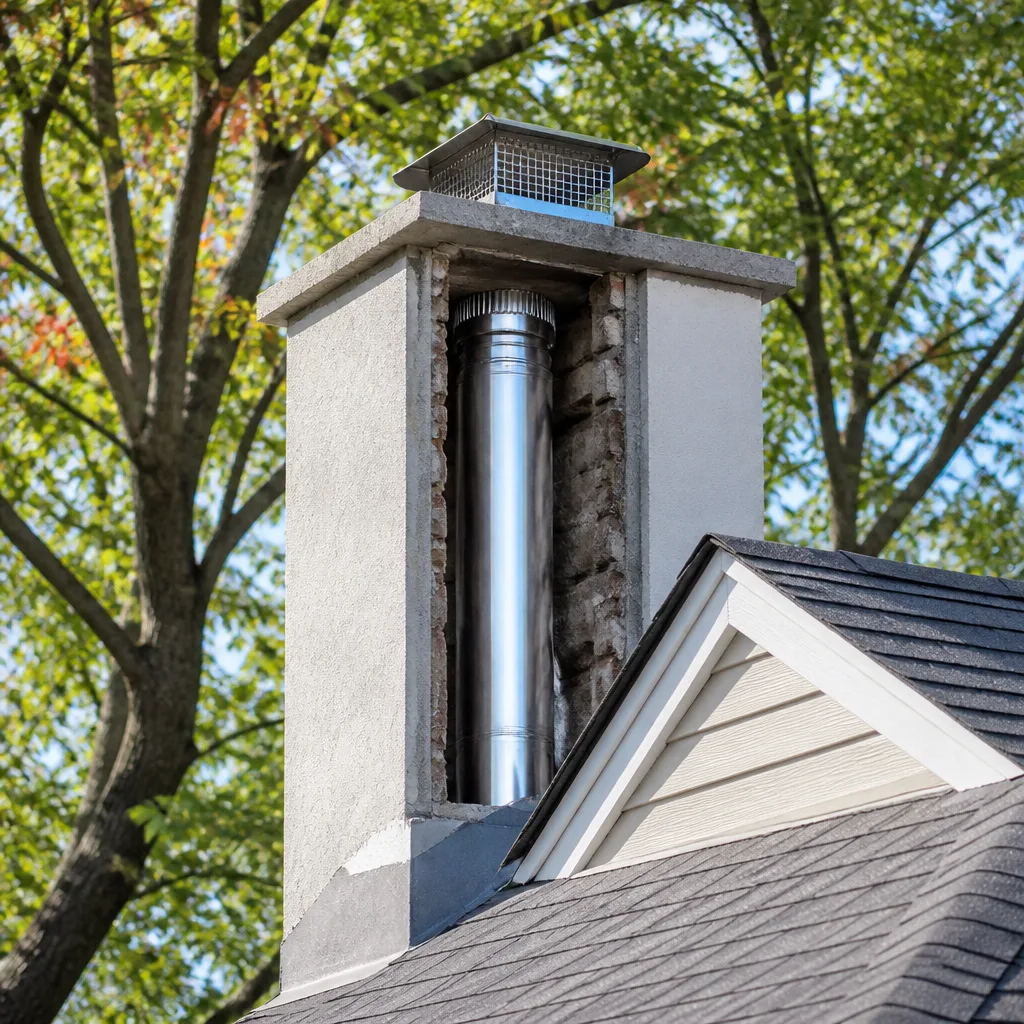 Flue relining
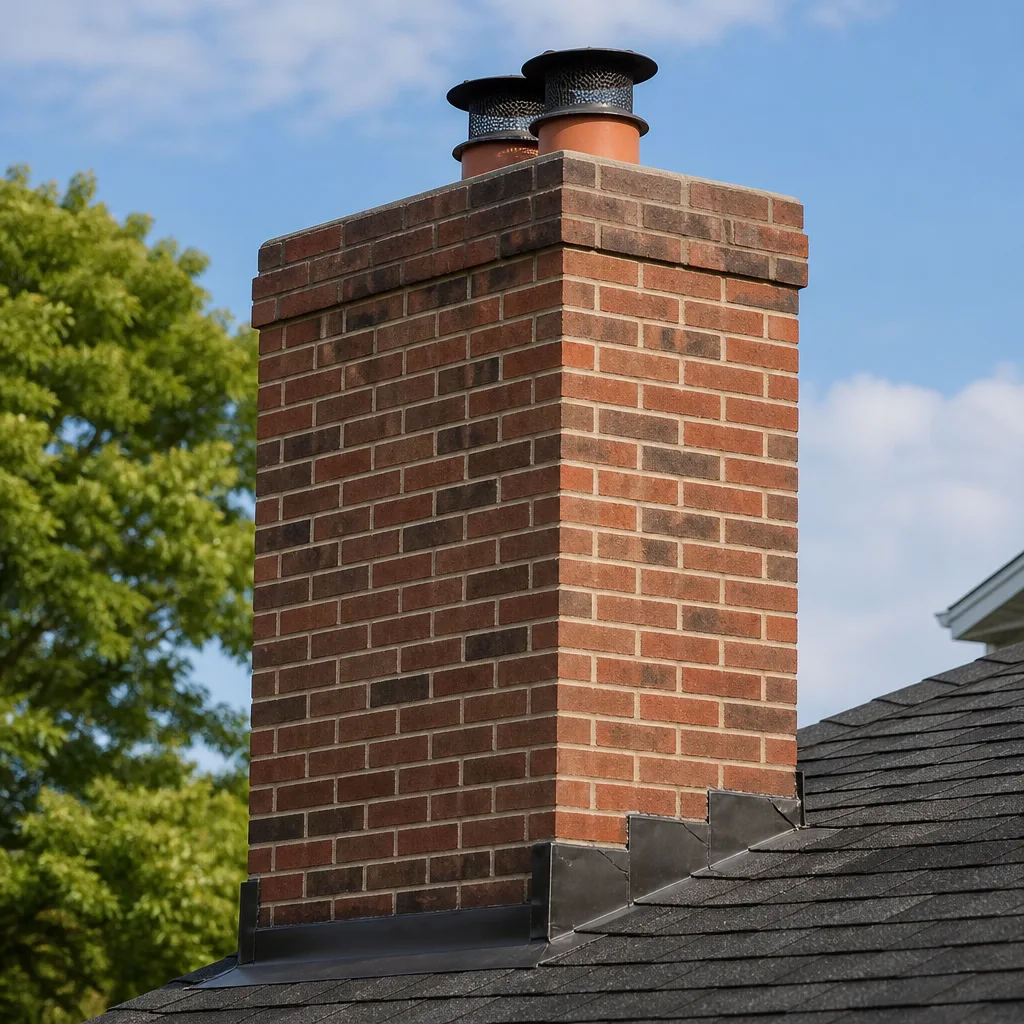 Masonry repair
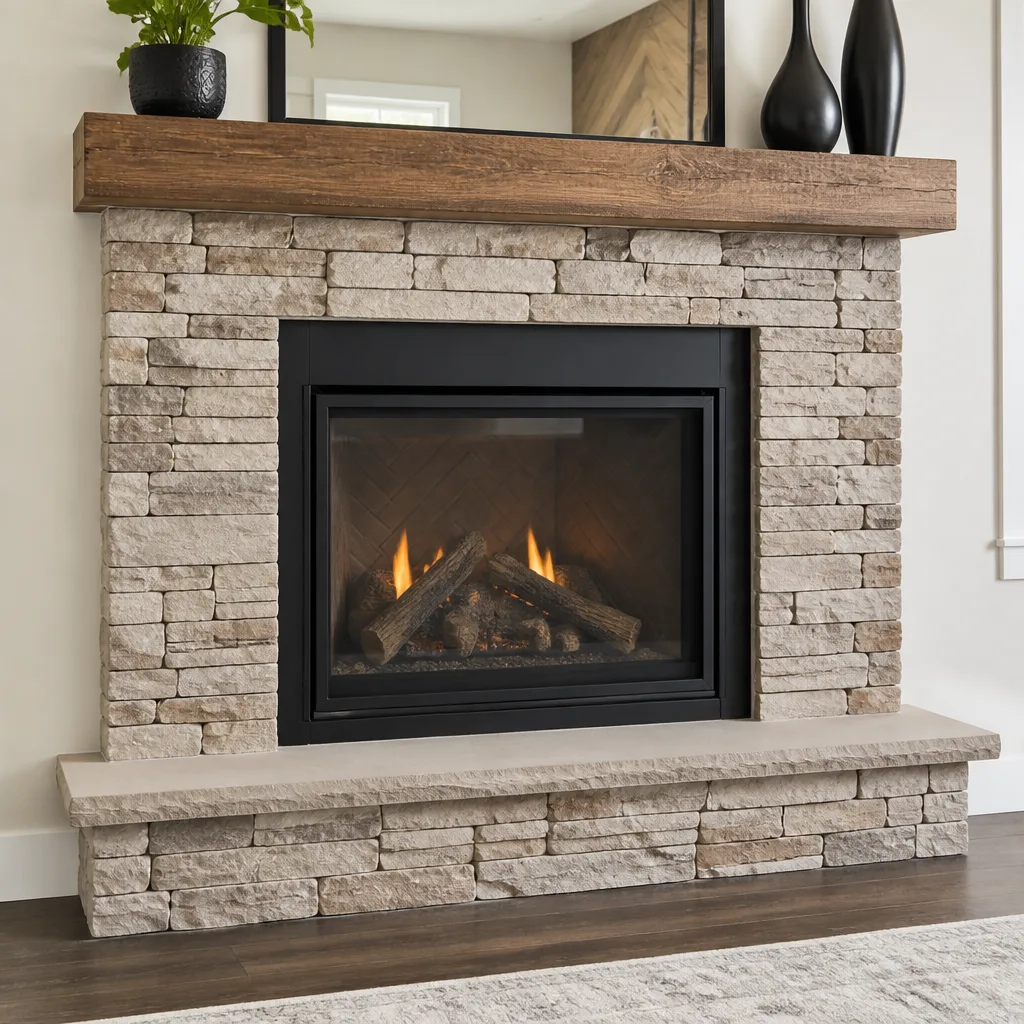 Gas fireplace service
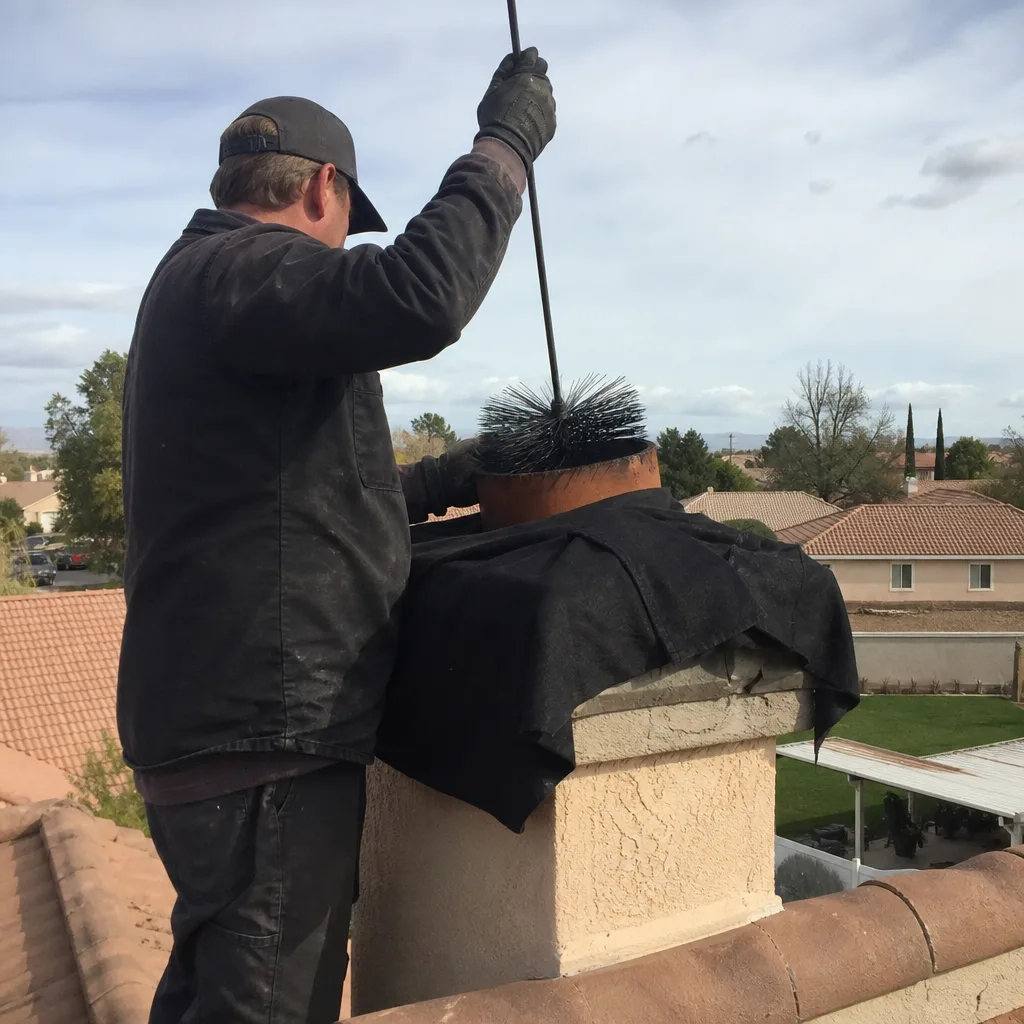
Level 1 sweep and inspection to the NFPA 211 annual standard - flue, crown, cap, and flashing checked and photographed
Chimney sweep logs do not sweep chimneys. They loosen some creosote - which then falls where a brush and vacuum still have to collect it.
Seasonal Chimney Cleaning Care for Perris: Year-Round Homeowner’s Guide
Most chimney care guides are written for places with real winters, but Perris doesn’t follow that calendar. Here, the danger season starts in late September, when Santa Ana winds begin whipping through the San Jacinto Valley and pushing ash, dust, and debris into uncapped flues. This guide rebuilds the maintenance schedule around what actually happens in Perris: wind season, wildfire smoke, short winter burn windows, and long dry summers. You’ll learn what to do each month, why fall service beats spring service here, and how to protect a chimney through months of non-use.
Styles & brands we work with
- Sweep & inspection
- Caps & crowns
- Flue relining
- Masonry repair
- Gas fireplace service
Quick Answer
The highest-value chimney cleaning window in Perris runs from late September through early November, before Santa Ana winds and the December-through-February burn season arrive. A professional sweep and inspection once a year is the baseline, with an additional cap and crown check after any prolonged wildfire smoke event. Summer is the time for pest screening and moisture protection, not active burning.
Table of Contents
- Why Perris Needs Its Own Chimney Calendar
- The Month-by-Month Perris Chimney Schedule
- Santa Ana Wind Season: The Overlooked Chimney Threat
- Wildfire Smoke and Your Flue: What Fine Particulate Does
- Summer Chimney Care: Protecting a Dormant System
- The December-February Burn Window: Smart Operating Habits
- After Burn Season: Winterizing and Scheduling Ahead
- Common Mistakes to Avoid
- When to Call a Professional
- Frequently Asked Questions
- The Bottom Line
Why Perris Needs Its Own Chimney Calendar
Perris sits inland in Riverside County, where the climate is dry, hot in summer, and mild in winter. That sounds easy on a chimney, and in some ways it is: no freeze-thaw cycles cracking masonry, no ice dams, no snow load on the cap. But the absence of hard winter weather creates a different problem. Homeowners here go months without thinking about the fireplace, and the system sits unused through long stretches of heat and wind. That’s exactly when debris, pests, and fine dust settle into places they shouldn’t.
We see the same pattern across the Perris area every year: chimneys that were fine in March are dirty or damaged by October because nobody looked at them for seven months. The flue doesn’t care that you weren’t burning. Wind deposits material through uncapped or poorly capped flues. Birds and rodents nest in spring and summer. Dry heat bakes crown sealant until it cracks. By the time a homeowner lights that first fall fire, the system needs attention.
Add in Santa Ana season and periodic wildfire smoke that drifts into the valley, and you get a maintenance schedule that looks nothing like the standard “sweep after winter” advice. In Perris, the core service window is before burn season, not after it. That single shift in timing prevents most of the problems we find on first-time calls.
The Month-by-Month Perris Chimney Schedule
Here is a working calendar for Perris homeowners. It accounts for wind, heat, smoke, and the short burn window. Not every home needs service every month, but these are the periods when specific tasks matter.
January – Peak Burn Period
This is the middle of the burn window. Fireplaces are in regular use, especially on cold valley nights. This is when creosote accumulates fastest, particularly in wood-burning systems. Watch for changes in how the fireplace behaves: slower draws, smoke backing into the room, or a smell that lingers after the fire is out. Those are signs the flue needs attention before the season continues. If you notice any of these, stop burning and get the system checked.
February – Final Burns and Assessment
February is still cold enough for fires in Perris, but the burn window is closing. This is a good month to assess how the season went. Did you burn more than usual? Was the wood seasoned properly? Did the cap hold up against January winds? Make notes now, because these observations will shape what needs doing before next fall. If the flue is heavily used, consider a mid-season inspection rather than waiting nine months.
March – Post-Season Sweep
Once burning stops, creosote sits in the flue. Creosote is hygroscopic in some forms, meaning it attracts moisture, and that moisture can accelerate deterioration of masonry and metal components through the spring. A post-season chimney sweep removes the season’s buildup so it isn’t sitting in the system all summer. It also gives a clear picture of any wear the burn season caused while the details are still fresh.
April – Pest Prevention
Spring nesting season begins. Birds, squirrels, and rodents look for sheltered entry points, and an uncapped or damaged flue is an open invitation. April is the right time to inspect the cap and screening. If the mesh is torn, the cap is loose, or there’s no cap at all, fix it now. A properly fitted cap with intact screening prevents most animal intrusions before they happen. Once a nest is built and in use, removal becomes more complicated and often requires professional handling.
May – Crown and Sealant Check
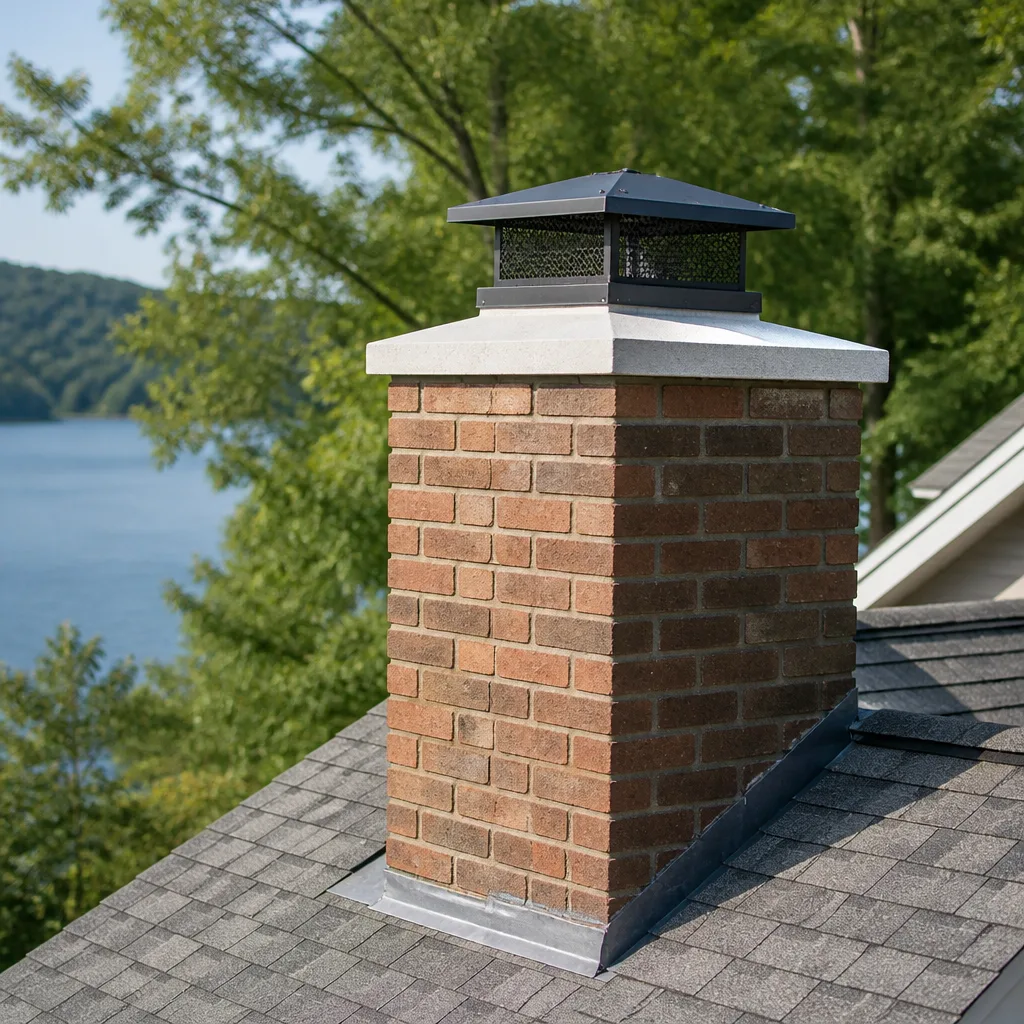
Before the full heat of summer arrives, check the chimney crown. The crown is the concrete or masonry surface at the top of the chimney that sheds water away from the flue. In Perris’s dry heat, crown sealant can crack and separate from the masonry. Small cracks are easy to address in May. By August, those same cracks have widened, and moisture from rare but real rain events finds its way in. Catching crown issues early keeps minor repairs minor.
June – Deep Summer Dormancy
June through August is the longest stretch of non-use. The chimney sits empty, the home runs on air conditioning, and the fireplace is forgotten. This is when many homeowners lose track of the system entirely. A quick visual check from the ground costs nothing: look for missing caps, cracked crowns, damaged brick, or signs of animal activity. If anything looks off, schedule an inspection while demand is low and technicians have fuller availability.
July – Smoke Event Monitoring
Wildfire season in Southern California peaks in late summer and early fall. Smoke from fires in other parts of the region drifts into the Perris Valley, and that fine particulate settles inside flues. After any significant smoke event where you can smell smoke outside for multiple days, plan to have the flue checked before you burn again. Deposited particulate affects air quality when the fireplace is later used and can cling to creosote, making existing buildup harder to remove.
August – Pre-Season Scheduling
This is the month to book your fall sweep and inspection. By late September, the best appointment slots are taken as homeowners across the valley prepare for burn season. Booking in August means you choose your date rather than taking whatever is left. It also means any repairs identified during the sweep happen before the first cold night, not after.
September – The Highest-Value Service Window
Late September is the single best time for a comprehensive sweep and inspection in Perris. Here is why: Santa Ana season typically begins in October, and those winds push debris into uncapped flues. A clean, inspected, capped chimney going into wind season handles whatever blows through without accumulating problems. If you only schedule chimney service once a year, this is the window to choose.
October – Santa Ana Protection
Santa Ana winds kick up dust, ash, small branches, and debris. If your cap is damaged or missing, October is when you’ll see the consequences. After the first significant wind event, do a ground-level check. If you notice new debris around the chimney or hear unusual sounds from the flue during high winds, schedule an inspection. A secure cap with intact screening is the difference between a clean flue and one filled with wind-blown material.
November – Pre-Burn Readiness Check
By November, nights get cold enough for fires in Perris. This is the final readiness check before burn season begins in earnest. If you haven’t had a fall sweep yet, this is your last comfortable window. Test the damper: it should open and close fully without sticking. Check for visible debris at the firebox. Make sure detectors are working. Then you’re ready for the first fire with confidence.
December – Burn Season Begins
The burn window opens. Homes with clean flues, working caps, and fully functional dampers burn safely and efficiently. Homes that skipped fall service run into the issues that were brewing since spring. During this month, burn only seasoned wood in wood-burning systems, and never leave a fire unattended. If you smell smoke in the house or see buildup around the damper, stop and get the system checked before continuing the season.
Santa Ana Wind Season: The Overlooked Chimney Threat
Most Perris homeowners think about Santa Ana winds in terms of fire danger and blown patio furniture. Few connect those same winds to their chimney. But from October through early spring, these strong, dry winds move significant debris through the valley. Any uncapped or poorly capped flue becomes a collection point for leaves, dust, ash, and even small branches.
Here is the sequence we’ve seen play out many times across Perris:
- Wind pushes debris into an uncapped flue over the course of several windy days.
- Debris settles on the smoke shelf and in the flue, mixed with any existing creosote or soot.
- The homeowner lights a fire, not realizing the flue is partially obstructed.
- Smoke drafts poorly, backs into the room, or the trapped debris ignites.
Even without debris, fine dust settles into the system. That dust coats creosote deposits and sits in the flue, creating a layer that reduces draft efficiency. When the first fire of the season lights, that material burns off unpredictably or smokes heavily.
The fix is straightforward: a secure chimney cap with intact screening, installed and verified before wind season starts. Caps from manufacturers like Olympia Chimney and Famco are built to handle sustained wind exposure without loosening. We also check cap fasteners and flashing during fall inspections, because wind vibration loosens hardware over time. A cap that passes a visual inspection in spring can be hanging by one bracket by October.
Wildfire Smoke and Your Flue: What Fine Particulate Does
Perris isn’t a fire zone in the way mountain communities are, but the valley receives smoke from fires across Southern California. When regional fires burn, smoke drifts into the Perris area and hangs in the air. That smoke contains fine particulate matter that can settle inside chimney flues, especially in systems with existing creosote or soot deposits.
Here is what that means for a fireplace owner:
- Particulate from smoke adheres to existing deposits inside the flue, forming a mixed layer that is harder to remove than standard creosote alone.
- The same particulate can find its way into the home when the fireplace is later used, affecting indoor air quality.
- In gas systems, smoke particulate can coat the flue walls and settle on components, and when the system heats up, that residue can release odors.
- After a heavy smoke period, an inspection is the only way to know whether the flue needs cleaning before the burn season.
We schedule many Perris-area inspections in the weeks after significant smoke events precisely for this reason. Homeowners notice a smell when they test the system and call. The flue looked fine from the outside, but the interior carried a coating of fire-season buildup.
If you’ve experienced multiple smoke events over one season, a cleaning is often the right call even if the fireplace wasn’t used during that period. The flue doesn’t need fire to collect material. Smoke drifting through an open damper or a cracked cap can deposit enough to warrant service.
Summer Chimney Care: Protecting a Dormant System
In Perris, chimney fires don’t happen in June. But the conditions that cause them do get their start in June. Summer is the season of neglect, and it’s exactly when the system benefits most from basic protection.
Cap Inspection in Dry Heat
The summer sun beats down on chimney caps without relief. Metal caps expand and contract through daily temperature swings. Over one summer, screws can loosen and brackets can shift. By the end of August, a cap that was solid in spring may be loose enough to rattle in the wind or separate from the flue. A summer inspection catches that while it’s a simple tightening job, not a replacement.
Pest Screening Before Nesting
Spring and summer are nesting season for birds and small animals. An uncapped flue or a cap with torn screening is an open cavity in a warm, sheltered spot. Once a nest is established, removing it means clearing material, addressing eggs or young, and then installing proper screening so it doesn’t happen again. Prevention in April or May prevents the whole problem.
Crown Sealant Checks
The crown takes the full force of the Perris sun all summer. Over time, the expansion and contraction of the crown material against the flue creates hairline cracks. Those cracks let moisture in during the occasional rain event, and moisture in the crown leads to larger cracking later. Applying crown sealant before the worst heat, or at least checking that existing sealant is intact, is low-cost protection against a much more expensive repair down the line.
Summer is also the easiest time to schedule service. Booking a sweep and inspection in July or August takes priority scheduling pressure off the fall, and it means any needed repairs happen before the first burn, not after.
The December-February Burn Window: Smart Operating Habits
Perris gets cold enough for fires for roughly three months a year. That short window means homeowners sometimes overcompensate, burning more in a compressed period than they would in a longer cold season. Here is how to burn safely and efficiently through the Perris burn window:
- Burn only seasoned wood. Wood that hasn’t dried properly creates more smoke, less heat, and significantly more creosote. Seasoned wood has been split and stacked for at least six months in most Southern California conditions.
- Start with a clean flue. A fall sweep starts the season clear. Without it, the first fires bake whatever accumulated through summer and wind season onto the flue walls.
- Keep the damper fully open during fires. A partially closed damper reduces draft and increases smoke and creosote production.
- Never leave a fire unattended. This is basic safety, but it matters more in a short burn season when homeowners tend to light more fires in a short span.
- Check the smoke. Smoke should draw up the flue cleanly. If it lingers in the firebox or drifts into the room, the flue needs attention before the next fire.
For gas fireplaces, the burn window is less about creosote and more about component function. Check the pilot light, test the ignition, and note any unusual smells when the system runs. Gas systems still need venting, and a blocked or restricted vent is a carbon monoxide risk.
During burn season, keep an eye on the area around the chimney. Wet spots on the ceiling near the flue, a strong smoky smell in the house after fires are out, or visible debris falling into the firebox are all signs that the system needs a professional look before the next fire.
After Burn Season: Winterizing and Scheduling Ahead
When the last fire of the season goes out in Perris, usually sometime in March, the system enters its longest dormancy. What you do in these transition weeks determines what condition the chimney is in when you return to it in December.
Step 1: Close the Damper Properly
Once the fireplace has fully cooled after the final fire, close the damper completely. An open damper is an open passage from your living room to the outside air. That means conditioned air escapes in summer and outside air enters. It also means more dust, more pests, and more debris finding their way in.
Step 2: Check for Moisture
After the season’s last rain, look for staining or dampness around the chimney, the firebox, and the ceiling near the flue. Moisture that entered during burn season shows itself when the system cools. Early detection makes the repair smaller.
Step 3: Schedule the Post-Season Sweep
A sweep after the burn season removes the creosote and soot that would otherwise sit in the flue through spring and summer. It also gives a full inspection report of what the season did to the system. If there are issues, you’ll know about them with months to plan rather than discovering them in November.
Step 4: Book Next Season’s Pre-Burn Appointment
This might sound premature, but it’s the single best habit we recommend for Perris homeowners. A year has two service windows that matter: post-season for cleaning and inspection, and pre-season for readiness. Many of our clients book both at once in March, then set a reminder for August to confirm. It removes the fall rush from the equation entirely.
Step 5: Note What You Observed
If the fireplace drafted poorly on windy nights, if you heard animal sounds in the flue in early spring, if the cap rattled during high winds, write it down. These observations guide the post-season inspection and help us focus on the right areas.
Chimneys in Perris don’t fail because of brutal winters. They fail because of long stretches of inattention punctuated by wind and heat. The post-season routine closes that gap.
Common Mistakes to Avoid
- Skipping the cap check because the chimney “looks fine” from the ground. Most cap and crown damage is visible only from the roof or with a camera inspection. A visually intact chimney can still have a cracked cap or pulled screen that spreads over months.
- Following a New England chimney calendar. Perris doesn’t have a post-winter thaw. Scheduling service in spring because a guide from another climate says so misses the more important pre-wind and pre-burn window in the fall.
- Ignoring the flue after a wildfire smoke event. Smoke drifts into uncapped or open-damper flues and deposits fine particulate. If the air smelled like smoke, the flue got some of it. A burn on top of that residue is how air quality problems start.
- Assuming no burns means no buildup. Debris, dust, birds, and wind-blown material accumulate regardless of use. A chimney that sits empty for seven months can be dirtier in October than one that was used carefully all season.
- Rushing the first fire without a fall inspection. The first cold night in Perris sends everyone to the fireplace at once. If the flue has seven months of wind-driven debris in it, that first fire is the riskiest one of the year.
- Treating a gas fireplace as maintenance-free. Gas systems don’t produce creosote, but they do have vents that clog, components that fail, and carbon monoxide risks when venting is restricted. They need inspection too.
- Putting off a small crown or cap repair. A cracked crown or torn screen gets worse through heat and wind. The repair that was inexpensive in May is a larger job by October.
When to Call a Professional
Any chimney task that requires rooftop access, flue inspection, or repair work should be handled by a professional. That includes cap replacement, crown sealing, liner inspection, and any removal of animal nests or debris from inside the flue. Working at height without proper equipment is dangerous, and internal flue issues can’t be assessed from the ground.
Some situations demand immediate attention. Smoke backing into the room, visible damage after wind events, a strong smell of creosote or smoke when the fireplace is not in use, or any sign of animals in the flue are all reasons to stop using the system and get it checked. In Perris, the fire risks from a neglected dryer vent are a related concern, and many homeowners bundle chimney and vent service into a single safety visit.
We’re straightforward about what we find. From the firebox to the cap, the inspection is thorough, and you’ll know what was found and what the options are. Chimney Sweep Perris offers free estimates in Perris. Call (833) 593-5414. We answer 24/7. Fast dispatch from 7am to 7pm, Sunday through Friday.
Frequently Asked Questions
The best time is late September through early November, before Santa Ana winds and the December-through-February burn season. This timing catches wind-blown debris before it accumulates and ensures the flue is clean before the first fire. Call (833) 593-5414 to schedule yours before the fall rush.
Once a year is the baseline for any home with a wood-burning fireplace, even if it’s only used during the three-month winter burn window. Homes that burn frequently through the season or that experience heavy wind storms or smoke events may benefit from a second sweep mid-season or after the season ends.
Yes, mainly through debris intrusion and loosened components. Strong winds push dust, leaves, and small debris into uncapped or damaged flues, and sustained wind vibration can loosen cap fasteners and flashing over time. A pre-wind-season cap inspection is the best prevention.
Possibly. Debris, dust, and wind-blown material accumulate in flues whether or not the fireplace is used. An uncapped or poorly capped chimney can collect material all summer. A quick inspection tells you whether the flue is clean or needs service before the first fire.
Smoke from regional fires carries fine particulate that settles inside flues, especially where creosote already exists. That particulate can affect indoor air quality when you later use the fireplace and creates a mixed layer that is harder to clean. After any significant smoke event, an inspection is worth scheduling. Call (833) 593-5414 for a free estimate.
You can do a basic visual check from the ground with binoculars or a camera zoom, but most cap and crown damage isn’t visible from below. A professional inspection gets eyes on the actual condition of the cap, flashing, crown, and flue. The estimate for that inspection is free.
The Bottom Line
Perris doesn’t need a chimney schedule borrowed from colder climates. Here, the calendar runs on wind season, smoke events, and a three-month burn window. Late September is the single most valuable service slot of the year, and August is when you book it. Summer protects the dormant system with cap, pest, and crown checks. After the burn season ends, a sweep and inspection puts the system to bed clean and starts planning for the following fall. Get the cycle right, and every first fire of the season happens in a system that’s ready for it. Call (833) 593-5414 to schedule service or ask about a free estimate. We answer 24/7. Fast dispatch from 7am to 7pm, Sunday through Friday.
Written by the team at Chimney Sweep Perris, serving Perris since 2013.
See the difference
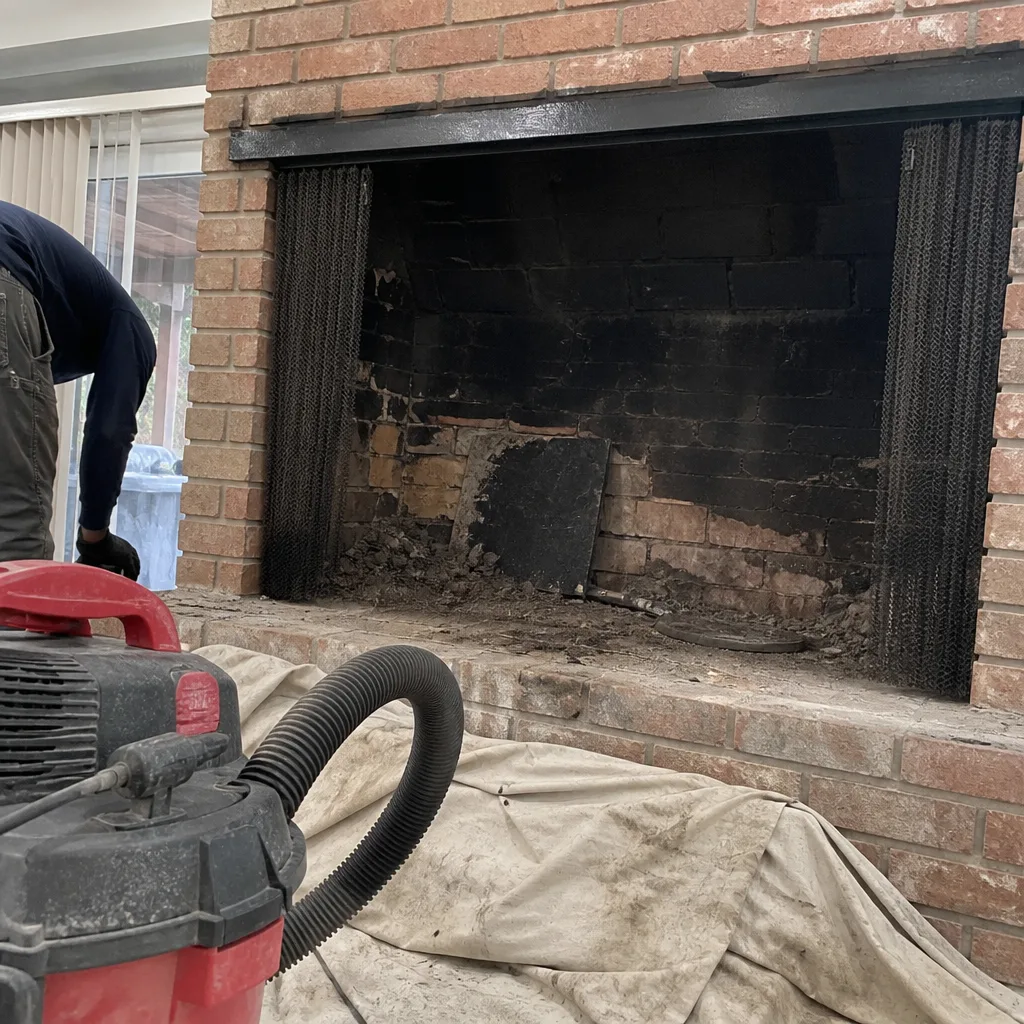 Before
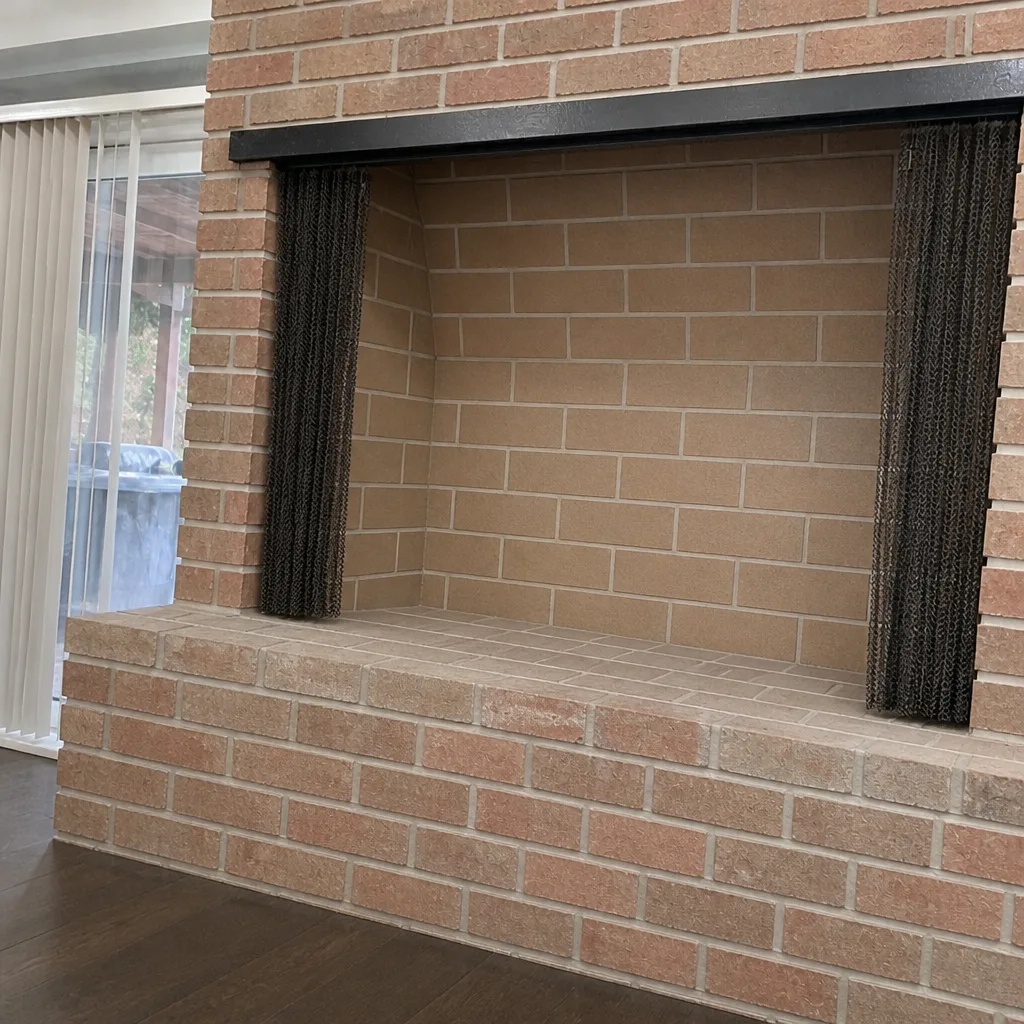 After
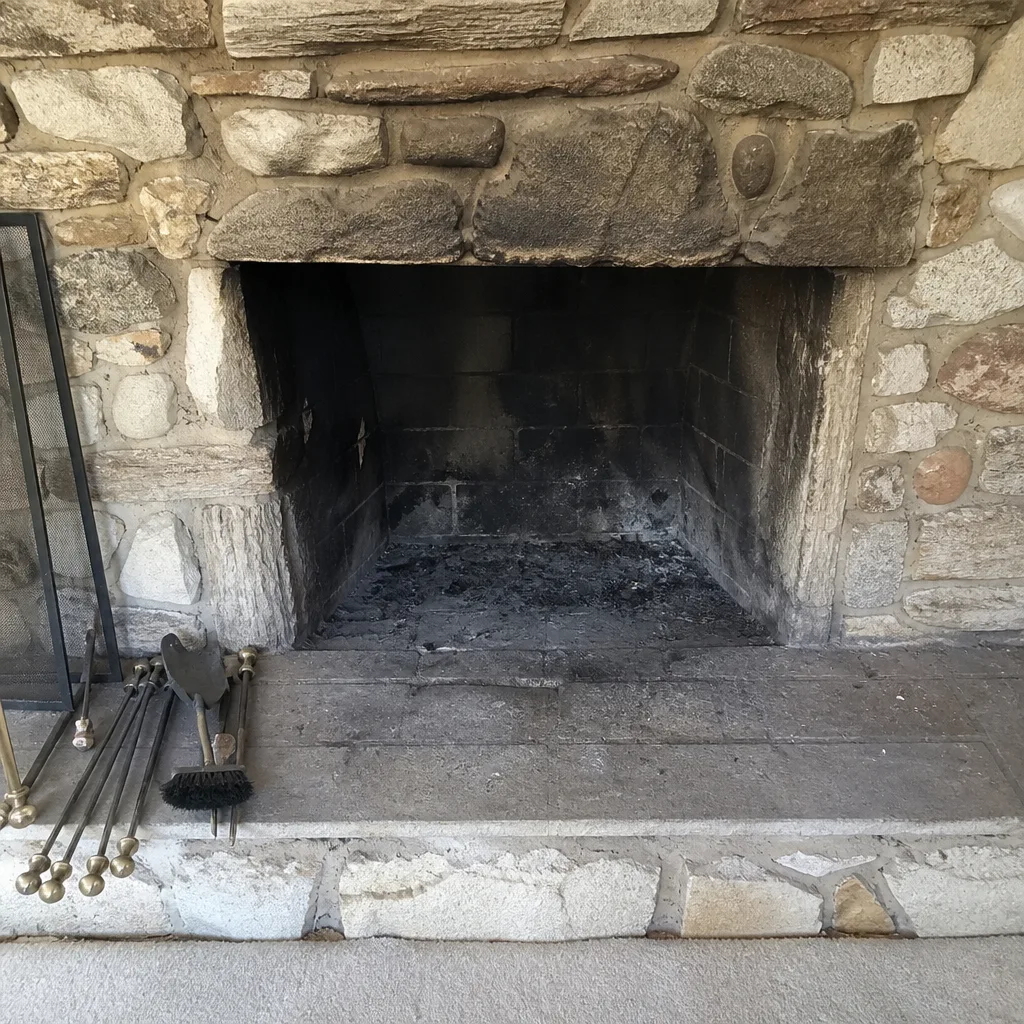 Before
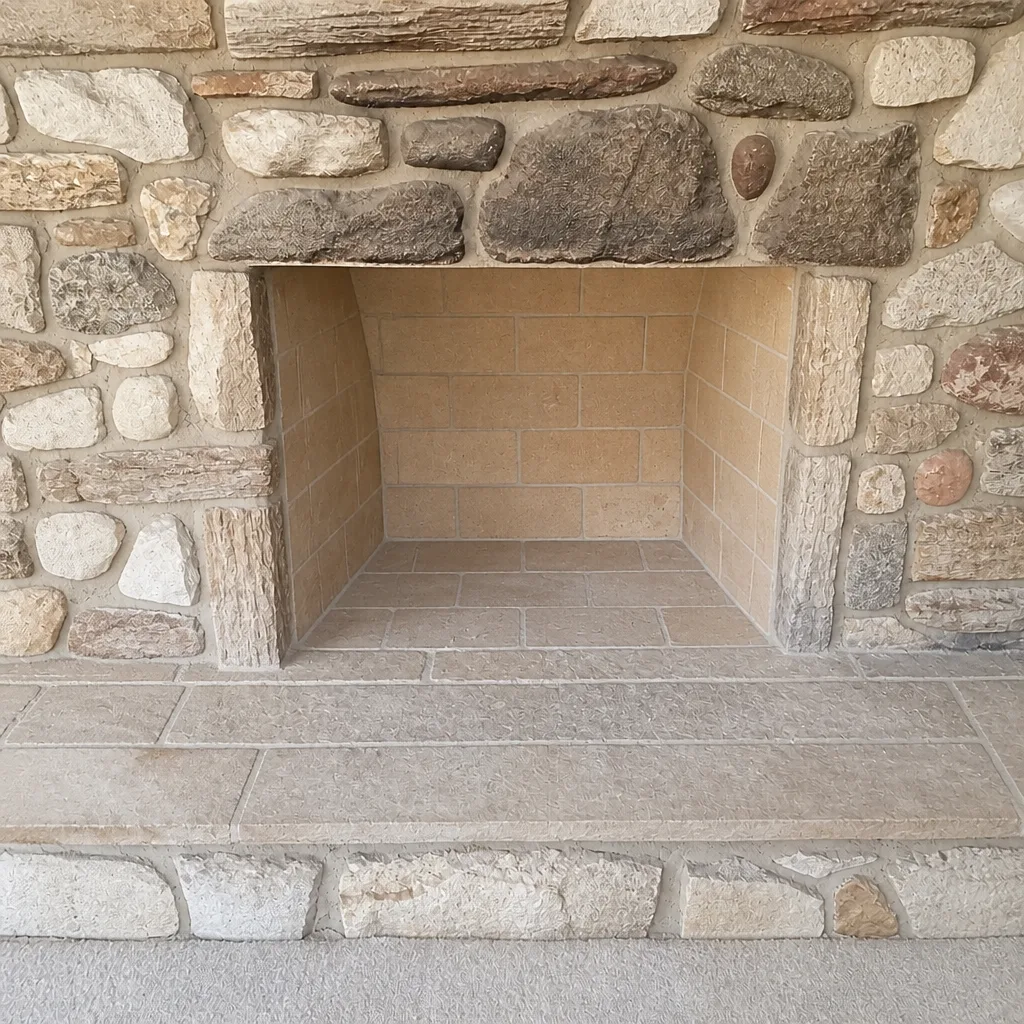 After
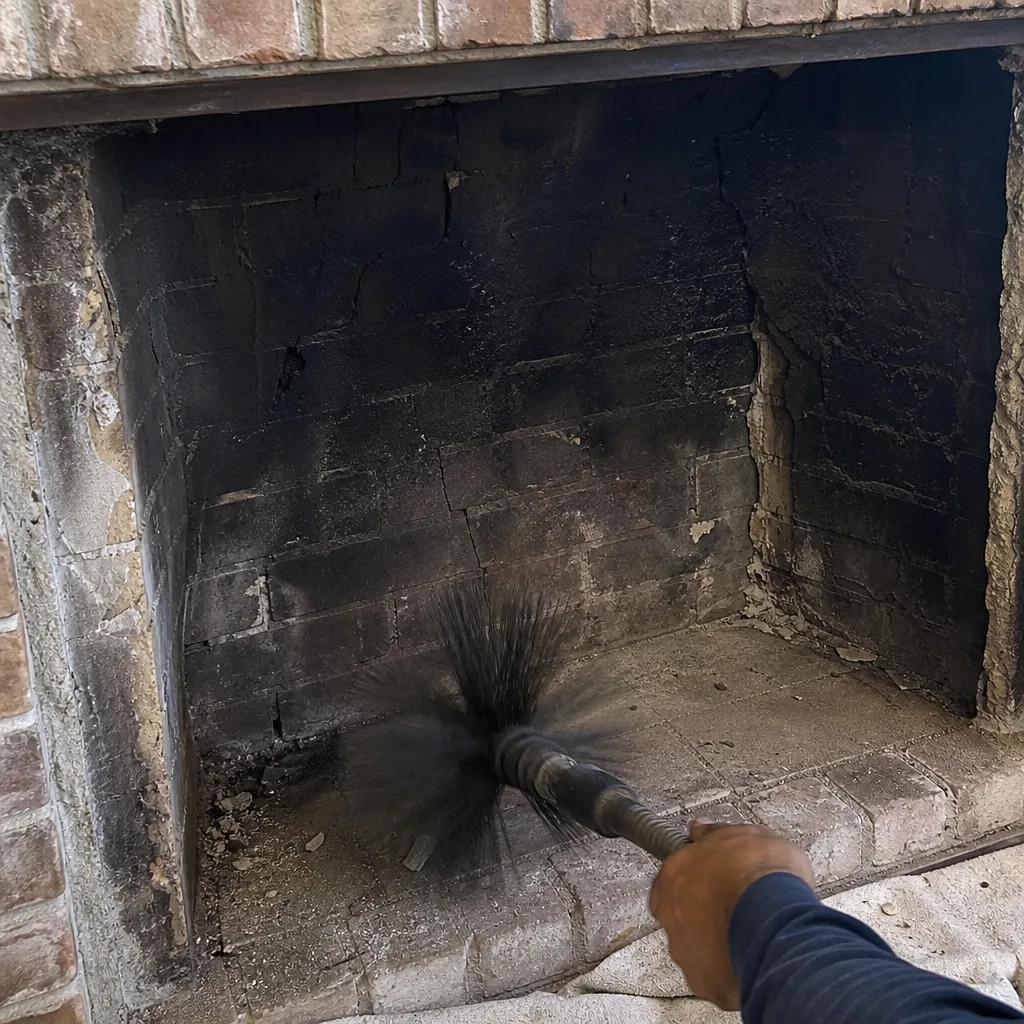 Before
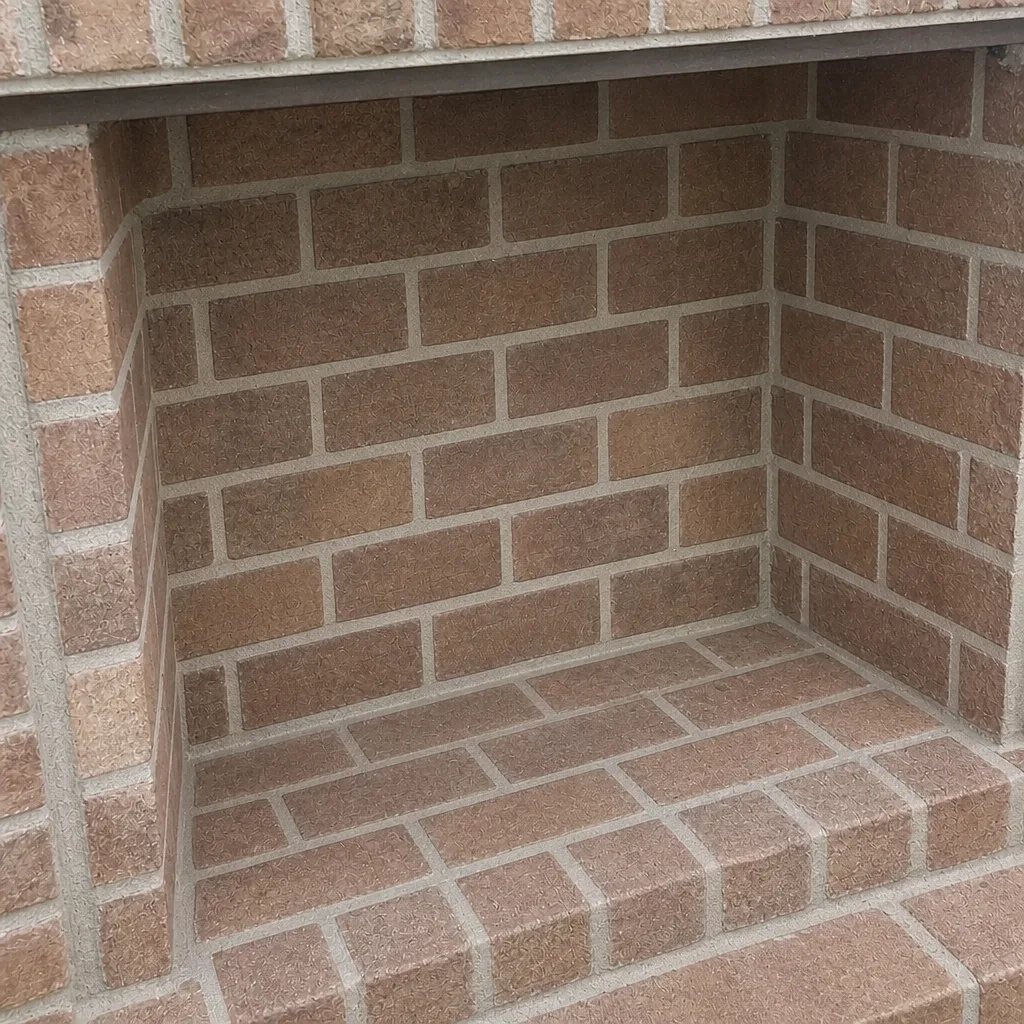 After