
Last updated November 4, 2026
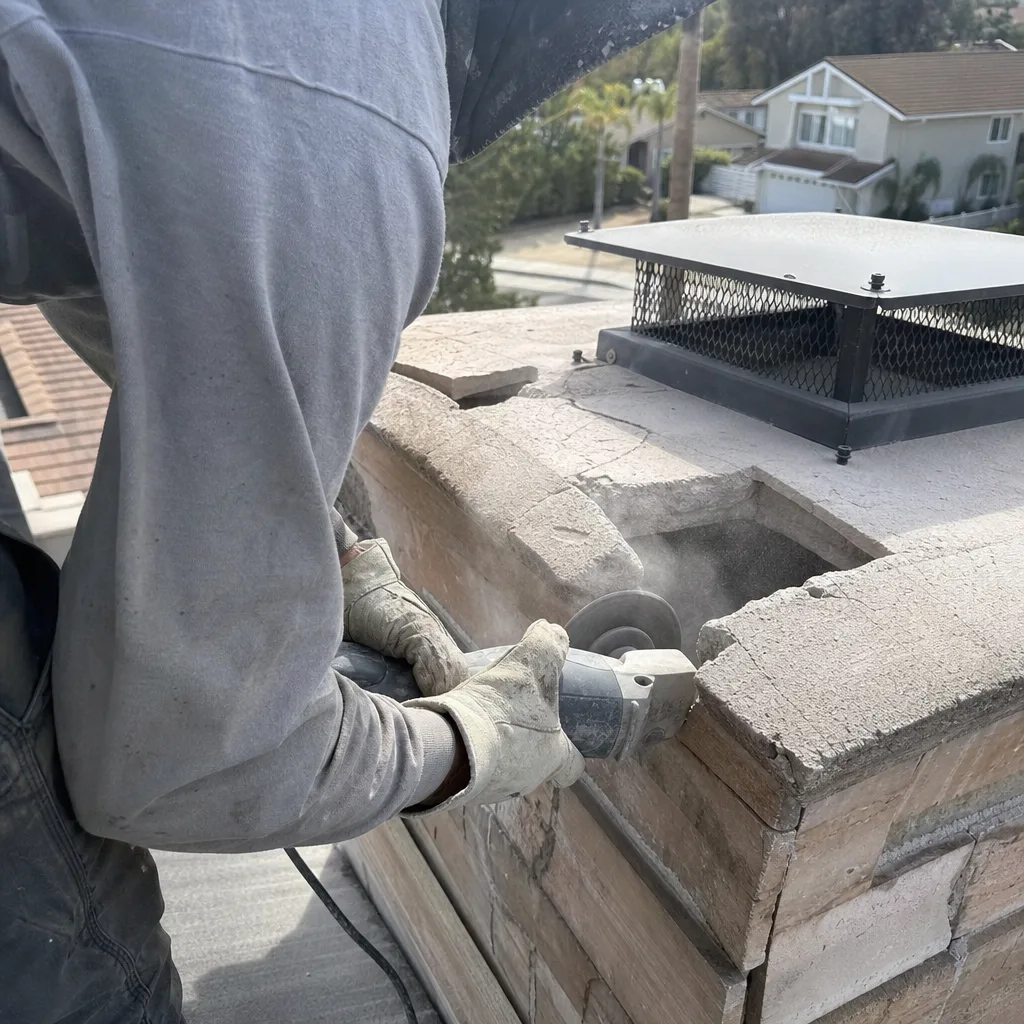
 Sweep & inspection
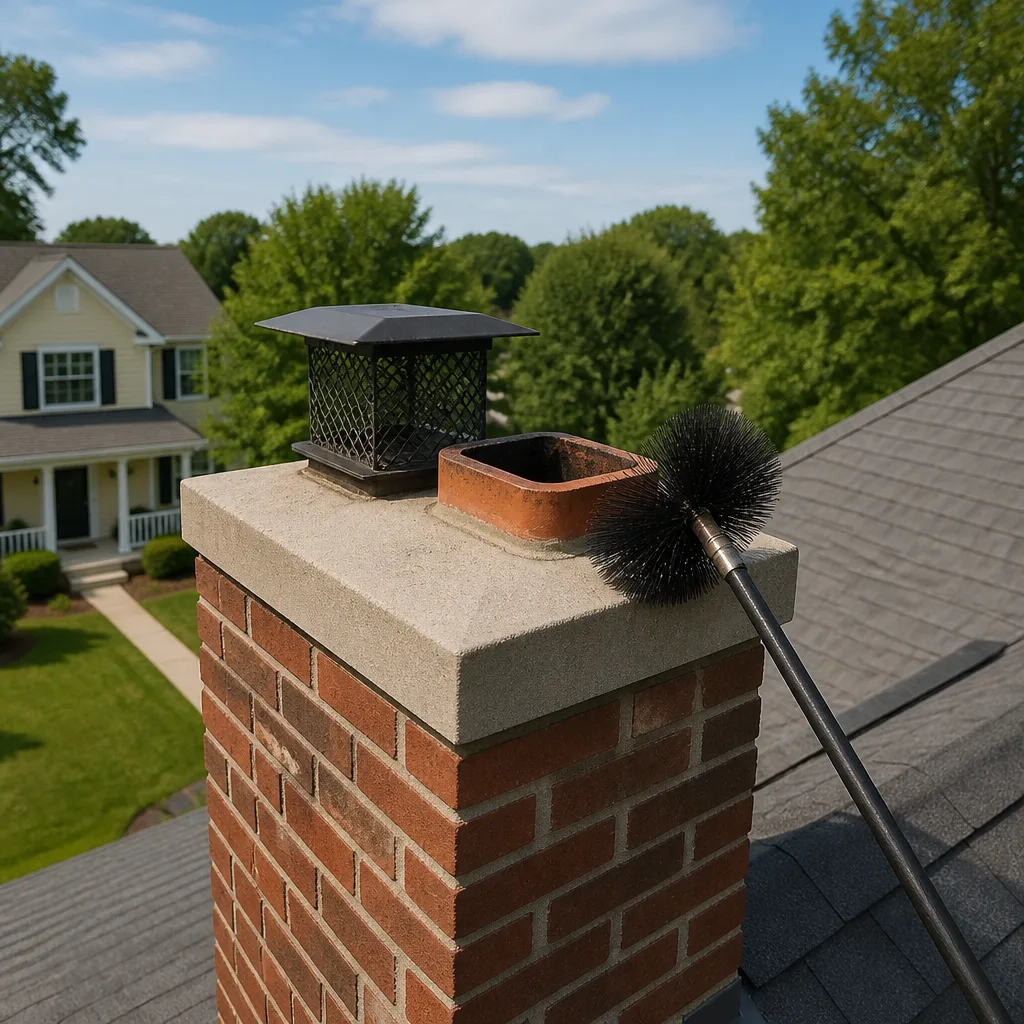
 Caps & crowns
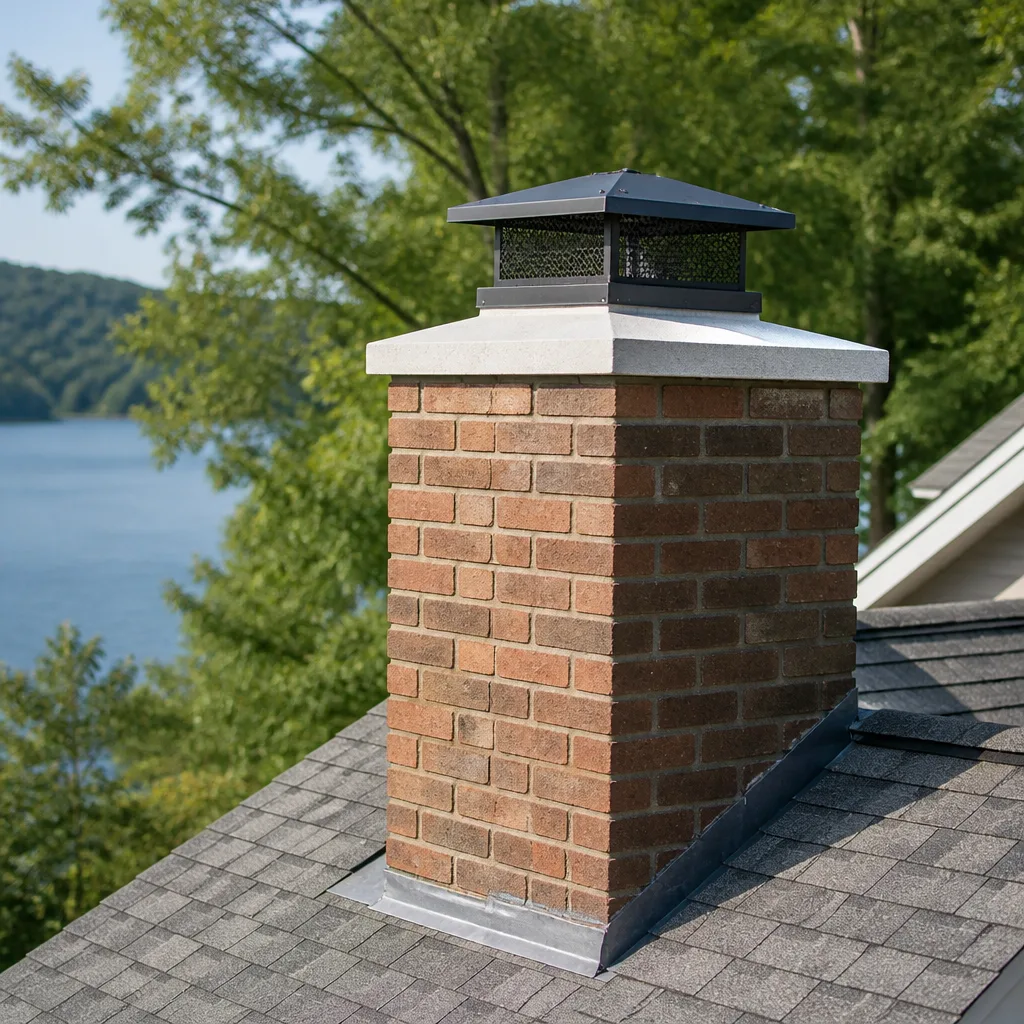
 Flue relining
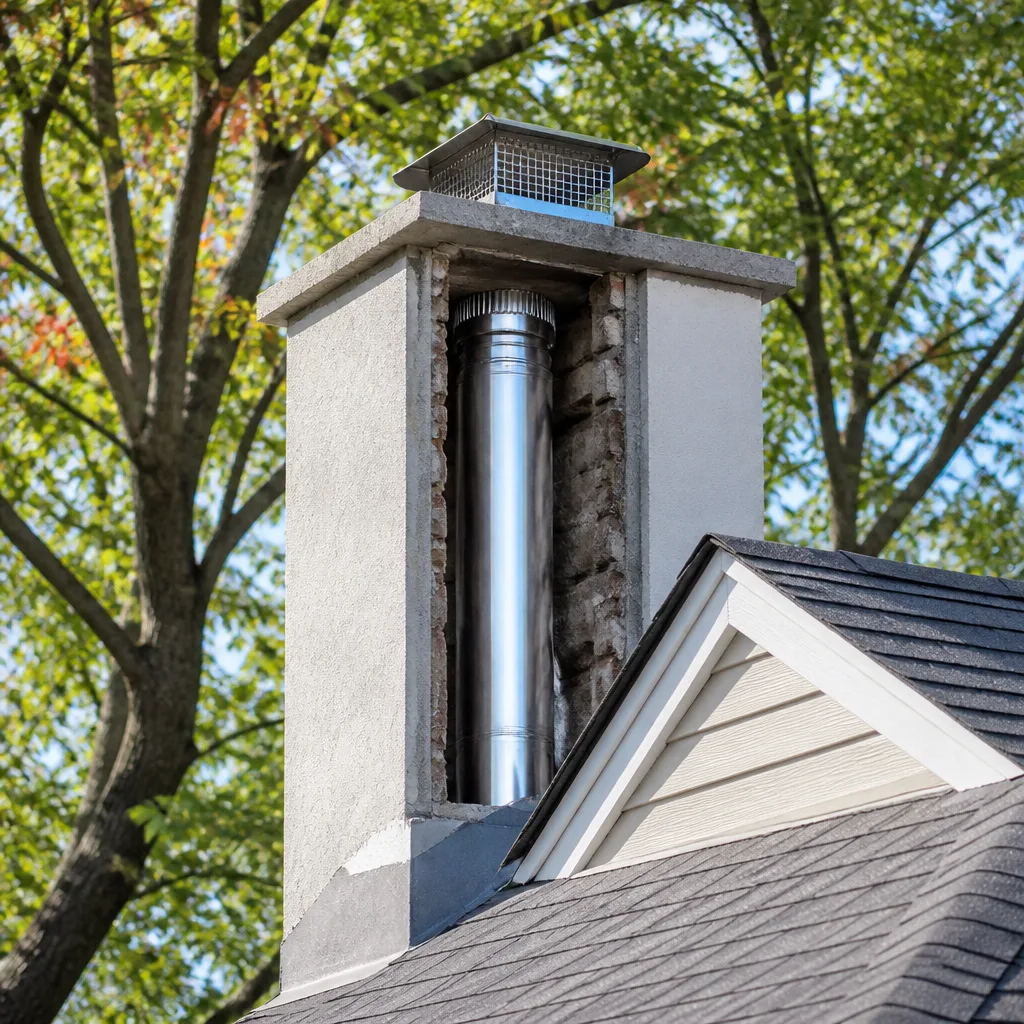
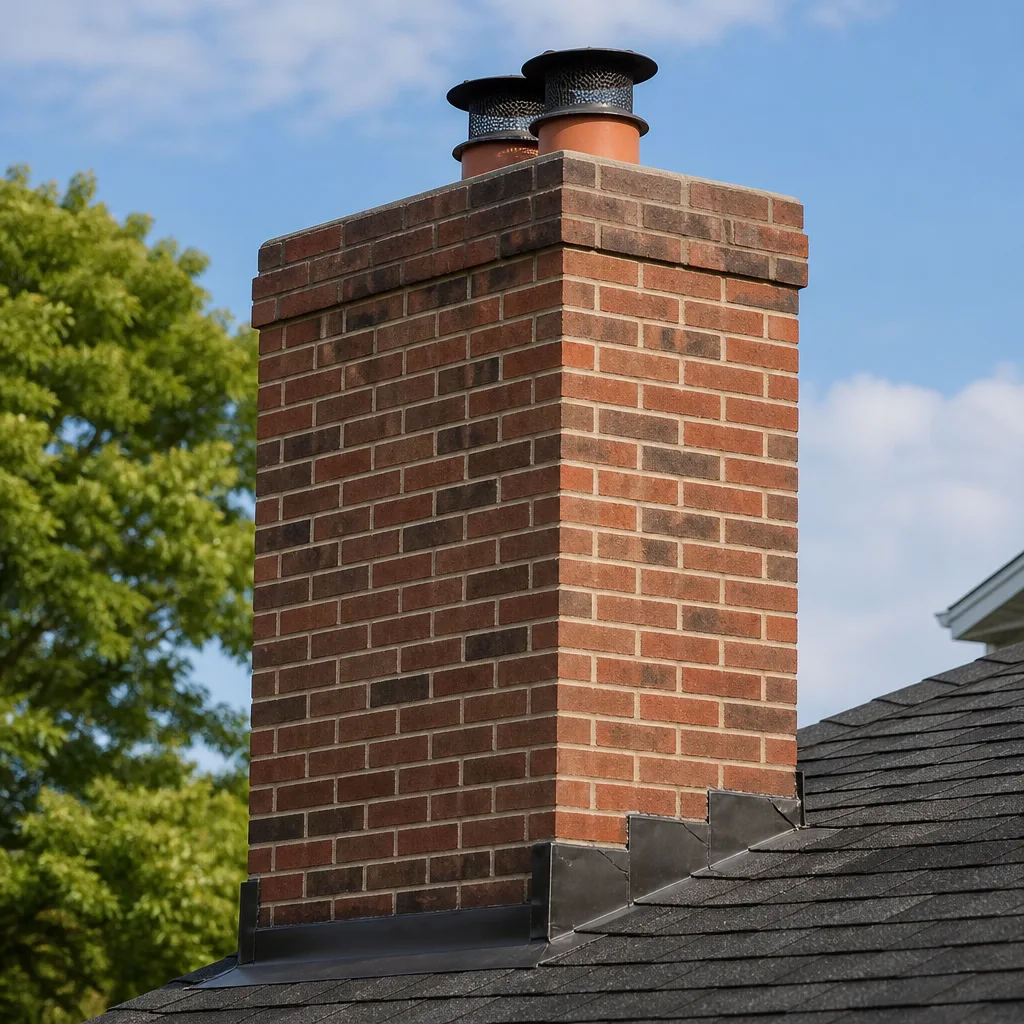 Masonry repair
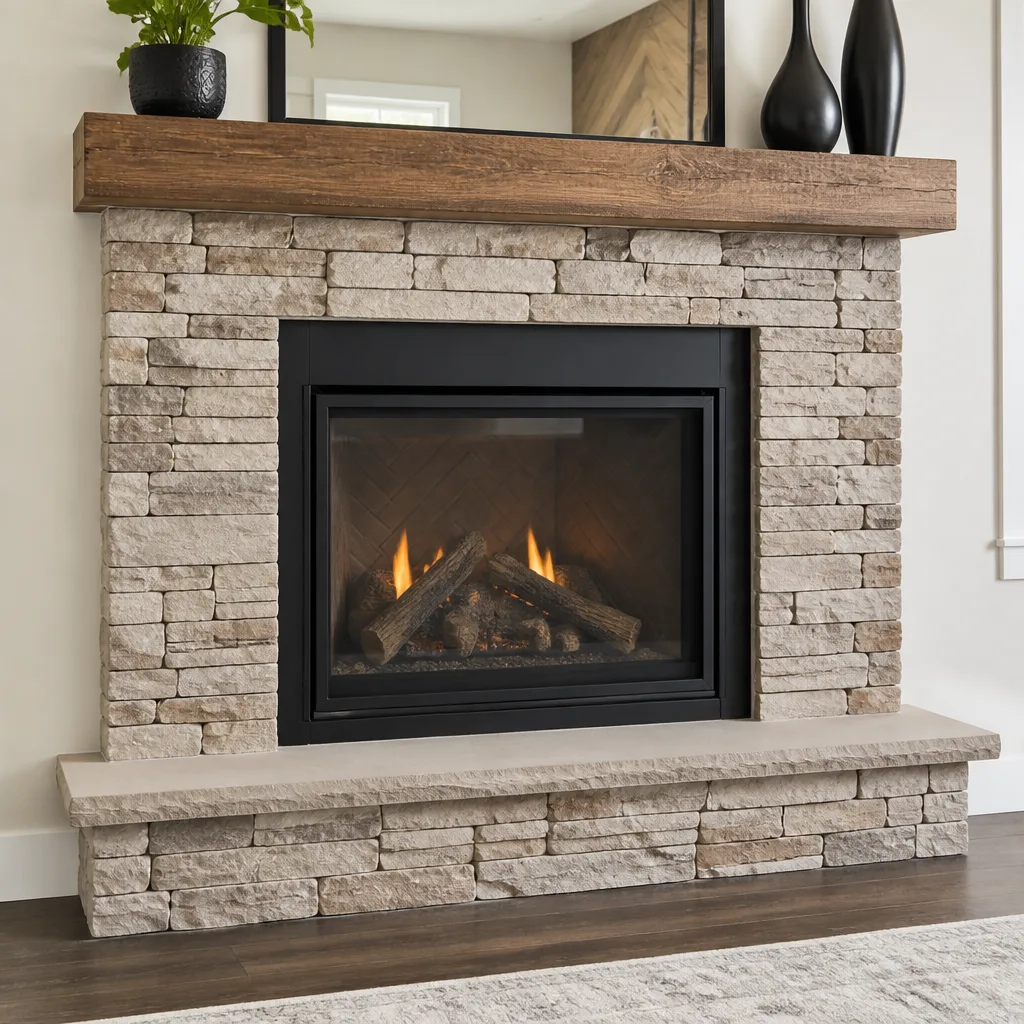 Gas fireplace service
Level 1 sweep and inspection to the NFPA 211 annual standard - flue, crown, cap, and flashing checked and photographed
Chimney sweep logs do not sweep chimneys. They loosen some creosote - which then falls where a brush and vacuum still have to collect it.
How to Hire a Chimney Cleaning Contractor in Perris: A Step-by-Step Guide
Most homeowners in Perris assume any company with a truck and a brush can clean a chimney. That assumption is exactly what separates a real safety inspection from a cosmetic dust removal. The problem is structural: California allows general contractors and even handymen to market “chimney services” without proving they understand draft dynamics, clearance-to-combustibles codes, or liner material compatibility. This guide walks you through a screening process you can run in under fifteen minutes, before anyone sets foot on your roof. You’ll learn which credentials actually matter, what a legitimate quote looks like, and how to compare proposals that seem impossible to compare.
Quick Answer
To hire a chimney cleaning contractor in Perris, verify three things before booking: a current CSIA certification, an NFI or equivalent specialist credential, and a California C-61/D-34 contractor license with no active complaints on the CSLB website. Then confirm the quote includes a written scope of work, a camera inspection with photo documentation, and itemized line items you can compare across contractors. Skip any company that offers a verbal-only price or pressures you to decide the same day.
Styles & brands we work with
- Sweep & inspection
- Caps & crowns
- Flue relining
- Masonry repair
- Gas fireplace service
Table of Contents
- The Three Credentials That Actually Matter
- How to Verify Credentials in Under Five Minutes
- Red Flags in the Quote Process
- How to Compare Quotes When Nothing Lines Up
- Questions to Ask About Materials
- What a Legitimate Post-Service Report Should Include
- What Makes Perris Chimneys Different
- Common Mistakes to Avoid
The Three Credentials That Actually Matter
Walk into any hardware store and you’ll find chimney brushes for sale next to the extension cords. Buying one takes ten minutes. Knowing what to do with it safely takes years. That gap is why Chimney Sweep Perris tells every caller the same thing: ask about credentials before asking about price. In our experience, the companies worth hiring answer the credential question without hesitation.
1. CSIA Certification
The Chimney Safety Institute of America is the most recognized credentialing body in the trade. A certified sweep has passed testing on fire codes, clearances, draft mechanics, and inspection protocols. The certification requires continuing education to maintain. When a Perris contractor lists CSIA after their name, ask for the certificate number. It should be verifiable on the CSIA website in seconds. A company that advertises “CSIA certified” but cannot produce a number is a red flag, not a technicality.
2. NFI Certification
The National Fireplace Institute tests specialists on fuel-specific systems: wood, gas, and pellet. An NFI Woodburning Specialist understands combustion air requirements, flue sizing, and the specific failure modes of wood-burning appliances. This matters because a gas-only technician cleaning a wood-fired system can miss creosote accumulation patterns that signal draft problems. Ask which NFI certifications the technician holds, not just whether the company name appears in a directory.
3. California C-61 / D-34 Contractor License
California requires any contractor performing chimney work over $500 to hold a valid contractor license. The C-61 classification covers limited specialty work, and D-34 is the specific classification for chimney and vent work. This is a state-level requirement, not a trade association preference. Check the license status on the Contractors State License Board website. Look for three things: active status, a D-34 classification, and a clean complaint record. A company with complaints about incomplete work or deposit disputes should be disqualified, regardless of their price.
How to Verify Credentials in Under Five Minutes
You don’t need to become a chimney expert to verify one. You need to become a diligent consumer for five minutes. Here’s the process we recommend to every homeowner evaluating a quote.
- Pull up the CSLB license lookup page. Enter the license number from the contractor’s quote or website. Confirm the status reads “Active” and the classification includes D-34. If the classification is only “B” (general building), ask whether chimney work is performed by a subcontracted D-34 holder.
- Search the CSIA member directory. Enter the company name. Confirm the technician who will actually perform the work is listed, not just the company owner. Certification follows the individual, not the business entity.
- Check the NFI directory for the specific fuel type your system uses. Wood-burning and gas systems fail differently, and the credential should match the job.
- Search the company name on the Better Business Bureau and Google.
This entire process takes less time than getting a quote in the first place. If a contractor bristles at any verification request, that’s information. The ones worth hiring in Perris expect the question and welcome it.
Red Flags in the Quote Process
The way a company prices a job tells you how they’ll perform the job. In our experience reviewing quotes from homeowners across Perris, the warning signs are consistent. Here’s what to watch for during the estimate phase.
Verbal-Only Estimates
A legitimate chimney cleaning or repair quote is a written document. It includes a scope of work, line items, and a total. If a technician walks your roof, spends twenty minutes looking, and then names a number from the ladder, that number means nothing. It cannot be compared, disputed, or enforced. Every serious contractor in Perris provides a written estimate before work begins.
No Camera Inspection Offered
A visual inspection from the roof captures only what’s visible from the cap. A camera inspection captures what’s happening inside the flue, where creosote accumulates and liner damage hides. Any quote for cleaning or repair that doesn’t include a camera scope is incomplete. Some companies charge separately for camera work. Others, like chimney sweep services that take the job seriously, include it as standard. Ask which applies before you book.
Same-Day Pressure Tactics
A legitimate liners contractor will tell you if work can wait. A high-pressure salesperson will tell you the chimney will fail before the weekend if you don’t sign now. Real liner damage develops over seasons. Real fire risk is a function of creosote volume and flue temperature. If a quote comes with a deadline, treat it as pressure, not expertise. The urgency is real when the system is unsafe, but the explanation should be based on findings you can see, not a vague threat.
No Written Scope of Work
This is the difference between a professional and a person with a brush. The scope tells you exactly what will be done: the cleaning method, the inspection points, the areas covered, and what happens to the debris. Perris homes with clay tile liners need different handling than homes with pre-fabricated metal flues. A scope that specifies the approach for your specific chimney type shows the contractor did more than glance at the roof.
How to Compare Quotes When Nothing Lines Up
One company quotes $189 for a “complete chimney cleaning.” Another quotes $340 for a “Level 2 inspection with cleaning.” A third quotes $275 for “sweep and cap evaluation.” These aren’t the same service with different prices. They’re different scopes with overlapping language. Here’s a normalization framework we recommend to Perris homeowners weighing multiple bids.
The Five-Line-Item Test
Take each quote and map it to five categories. If the quote doesn’t clearly address all five, ask the contractor to clarify before comparing.
- Cleaning method: rotary, brush, or chemical. Rotary systems remove glazed creosote that brushes miss.
- Inspection level: Level 1 is visual. Level 2 includes camera. Level 3 is partial demolition for hidden access. Most annual service in Perris should be Level 2.
- Debris containment and cleanup: Is the house protected from soot? Is the firebox covered? Is the disposal included?
- Report deliverable: Written report with photos, or a verbal summary? The written report is what makes the price defensible.
- Additional findings follow-up: What happens if the camera shows liner damage? Is repair quoted separately on the same visit?
Once quotes are normalized against these five lines, the comparison becomes meaningful. A $189 quote that lacks camera inspection and photo documentation is not cheaper. It is a different service entirely.
Questions to Ask About Materials
When repair work follows a cleaning, the materials matter as much as the labor. A liner, cap, or sealant is a product with a manufacturer, a specification, and a failure mode. Hardware-store components are built for volume. Manufacturer-recognized components are built for systems. Here’s what to ask and why the answer signals competence.
What brands do you use for liners and caps?
Professional chimney supply houses stock DuraFlex, Gelco, Olympia Chimney, Famco, and Copperfield. These are not household names unless you work in the trade, and that’s the point. Companies that specify brands are telling you they source from suppliers, not retailers. Companies that answer “whatever fits” or “generic stainless” are telling you something else. DuraFlex flexible liner systems in particular matter for older Perris homes with offset flues or non-standard masonry dimensions. A rigid liner cannot always navigate those configurations. The Perris housing stock includes many mid-century ranches with unconventional chimney paths, and flexible liners solve what rigid systems cannot.
Do you use HeatShield or an equivalent resurfacing system?
When a camera inspection reveals cracked clay tiles or minor gaps, the traditional answer is a full liner replacement. That means demolition of the existing flue, significant cost, and days of disruption. HeatShield resurfacing is a different approach: a ceramic material is applied to the inside of the existing flue to seal cracks and restore integrity without tear-out. Not every chimney qualifies. But a contractor who doesn’t mention resurfacing as an option when the damage is localized is either unfamiliar with modern repair methods or steering you toward a pricier job. Ask whether the company can evaluate your flue for HeatShield before recommending replacement.
What sealant do you use for the crown?
The crown is the concrete cap at the top of the chimney that keeps rain out. In Perris, where the hot sun beats on masonry year-round, crown cracks are common. Sealant quality means the difference between a repair that lasts two seasons and one that lasts a decade. Ask what product will be used and whether it’s rated for UV exposure and thermal cycling. A contractor who answers with a brand name is accountable to that product’s specification. A contractor who answers “silicone” is giving you the hardware-store answer.
What a Legitimate Post-Service Report Should Include
The report is the difference between a company that documents its work and one that hopes you don’t look too closely. In our experience, the report is also the single most common thing Perris homeowners never receive. It’s not optional. Here’s what a professional chimney service report contains, and why the absence of one is a disqualifying sign.
Required Elements
- Pre-service condition photos: What did the flue look like before cleaning? These establish the baseline.
- Post-service condition photos: What does the flue look like after? You should be able to see the difference.
- Inspection findings: A written description of anything observed: liner cracks, cap damage, creosote stage, clearance issues, flashing condition.
- Recommendations with priority: Not a sales script. A ranked list of findings, with a clear statement of what needs attention now versus what can be monitored.
- Materials used: Brand names and product types for any repair components or sealants applied.
- Technician name and credentials: The individual who performed the work, not just the company name.
A report that fails to include photos is a report you cannot verify. A technician can tell you anything. Photos tell you what was actually seen. The same logic applies to dryer vent cleaning, which dryer vent cleaning specialists document the same way: before and after images that show lint removal and airflow verification. If a contractor won’t show you what they found, ask why.
What Makes Perris Chimneys Different
Chimneys in Perris face conditions that differ from coastal California. Understanding those conditions helps you evaluate whether a contractor understands the local environment rather than applying a generic checklist.
Seasonal Use Patterns
Perris winters are mild, which means fireplaces here are used heavily for a few months and then ignored for the rest of the year. That use pattern creates a specific kind of creosote accumulation: glazed, dense buildup from short, hot fires followed by long idle periods. This is different from regions where wood stoves run continuously all winter. A contractor who understands Perris usage will recommend cleaning based on actual creosote measurements, not a calendar interval. Creosote that looks stable can still ignite under the right conditions, and a flue that was last cleaned five years ago may hold more fuel than the homeowner realizes.
Desert Climate and Masonry
Intense sun exposure and minimal moisture put specific stress on chimney masonry here. Crown cracks from thermal cycling are common. Flashing can pull away from roofing as materials expand and contract. These issues compound if left unattended, but they don’t produce the dramatic freeze-thaw damage seen elsewhere. A local contractor should inspect for sun-driven deterioration without trying to sell you on repairs for problems that don’t apply to this climate.
Regional Housing Stock
Perris includes a mix of older ranch homes, newer tract construction, and manufactured housing with pre-fabricated chimney systems. Each type presents different inspection priorities. Manufactured-home chimneys require specific clearance verifications. Older masonry systems may have unlined flues. Newer homes may have factory-built systems that need testing, not traditional sweeping. The right contractor asks about your house type before quoting, because the correct service depends on it.
Common Mistakes to Avoid
- Hiring based on price alone. The cheapest quote often excludes camera inspection, written reports, and debris containment. You don’t discover the omission until after the work is done and there’s no documentation to review.
- Assuming a general handyman can handle a chimney. A C-61/D-34 license exists for a reason. General labor operating outside its classification is a liability exposure and a code violation.
- Skipping the camera inspection to save money. The camera finds what the eye cannot: hidden liner cracks, internal creosote accumulation, and blockages. Without it, you’re paying for a surface-level service.
- Accepting a verbal scope of work. A written scope protects you when the work doesn’t match the quote. A verbal scope protects no one.
- Ignoring the credential mismatch. A company certified for gas systems but hired to clean a wood-burning chimney may miss critical creosote risk factors.
- No post-service report. If you can’t review photos and findings after the job, there was no inspection. You paid for a brush run.
- Waiting until you smell smoke to call. By the time symptoms appear, the problem has been developing for months. Annual inspection catches issues before they become failures.
See the difference
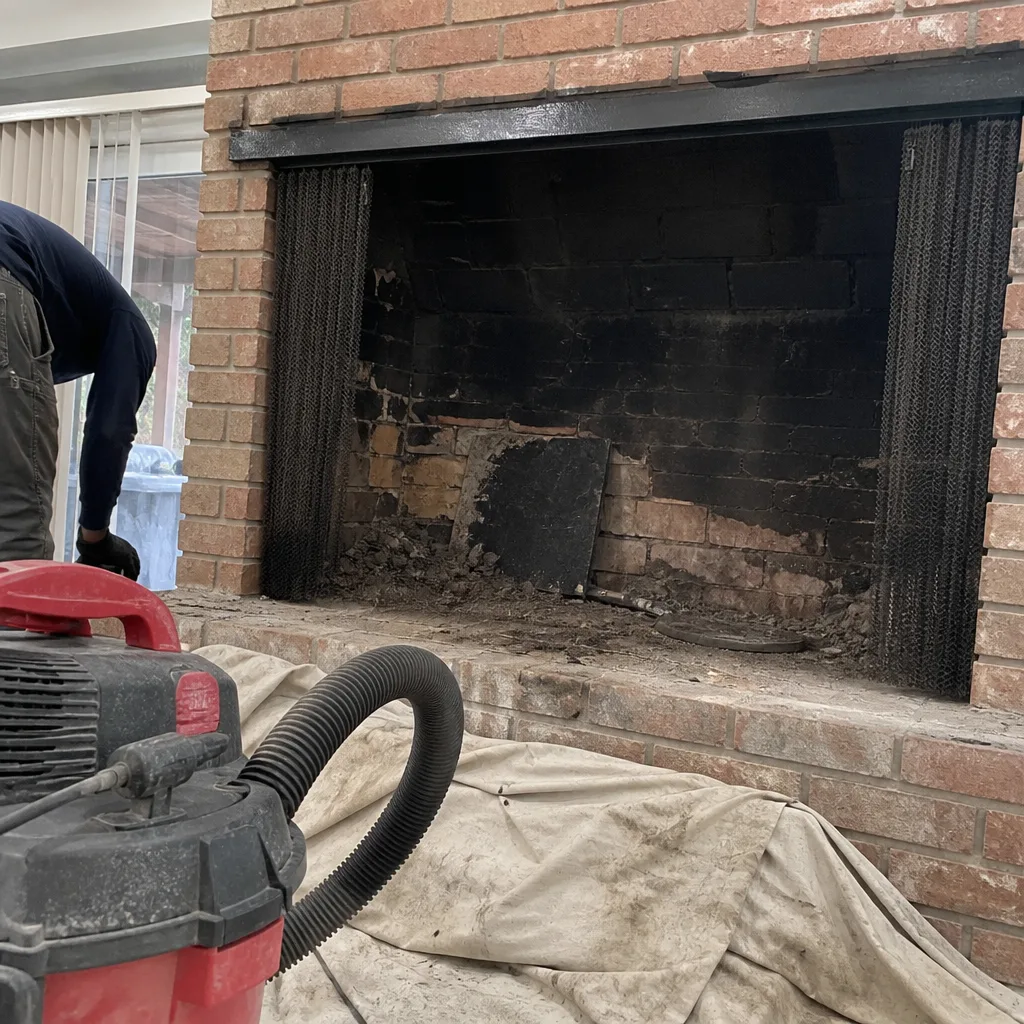 Before
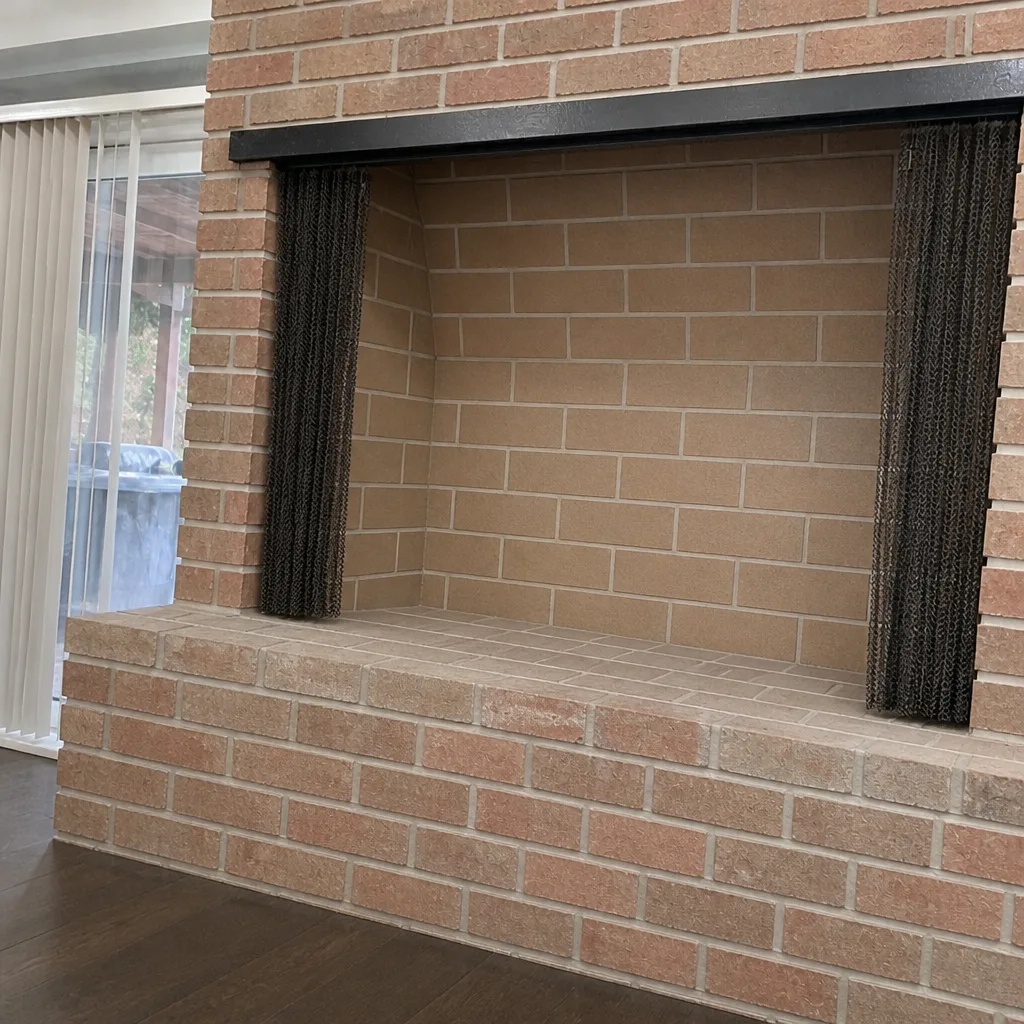 After
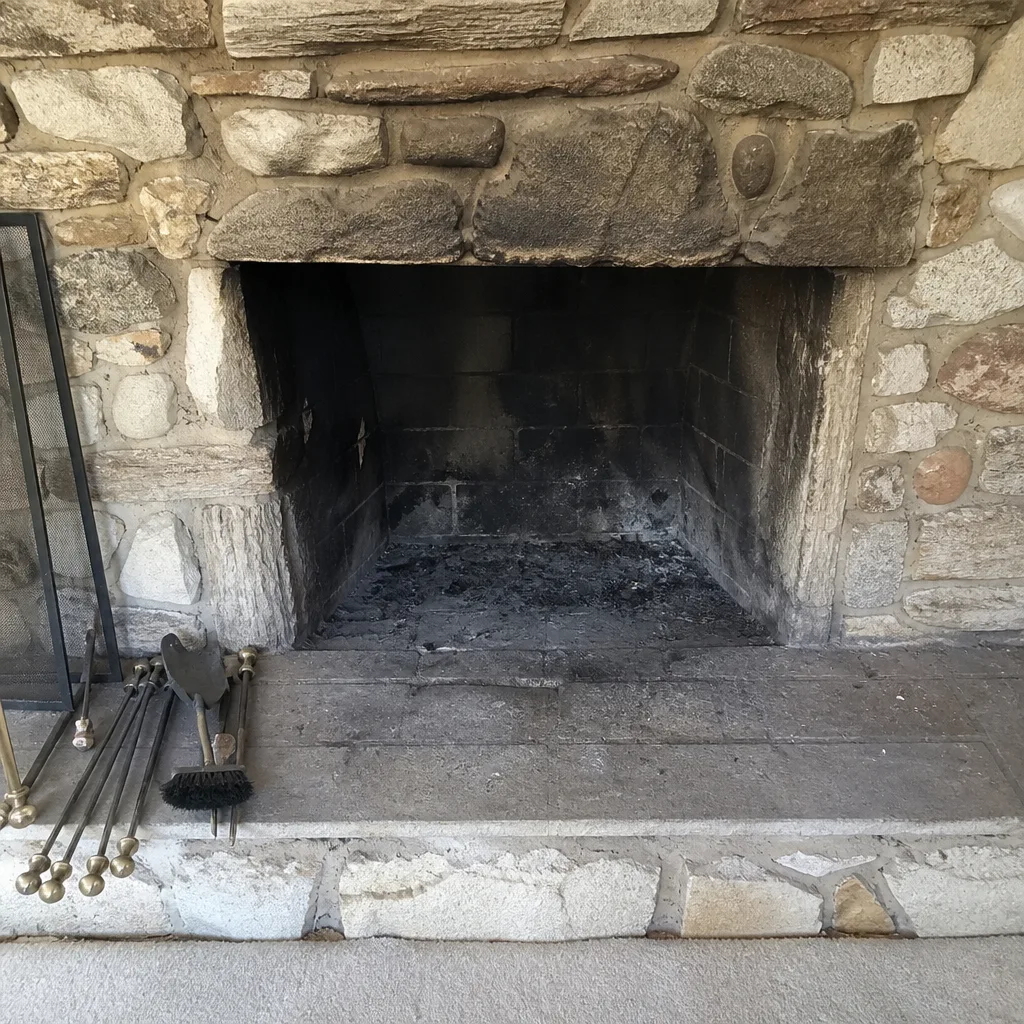 Before
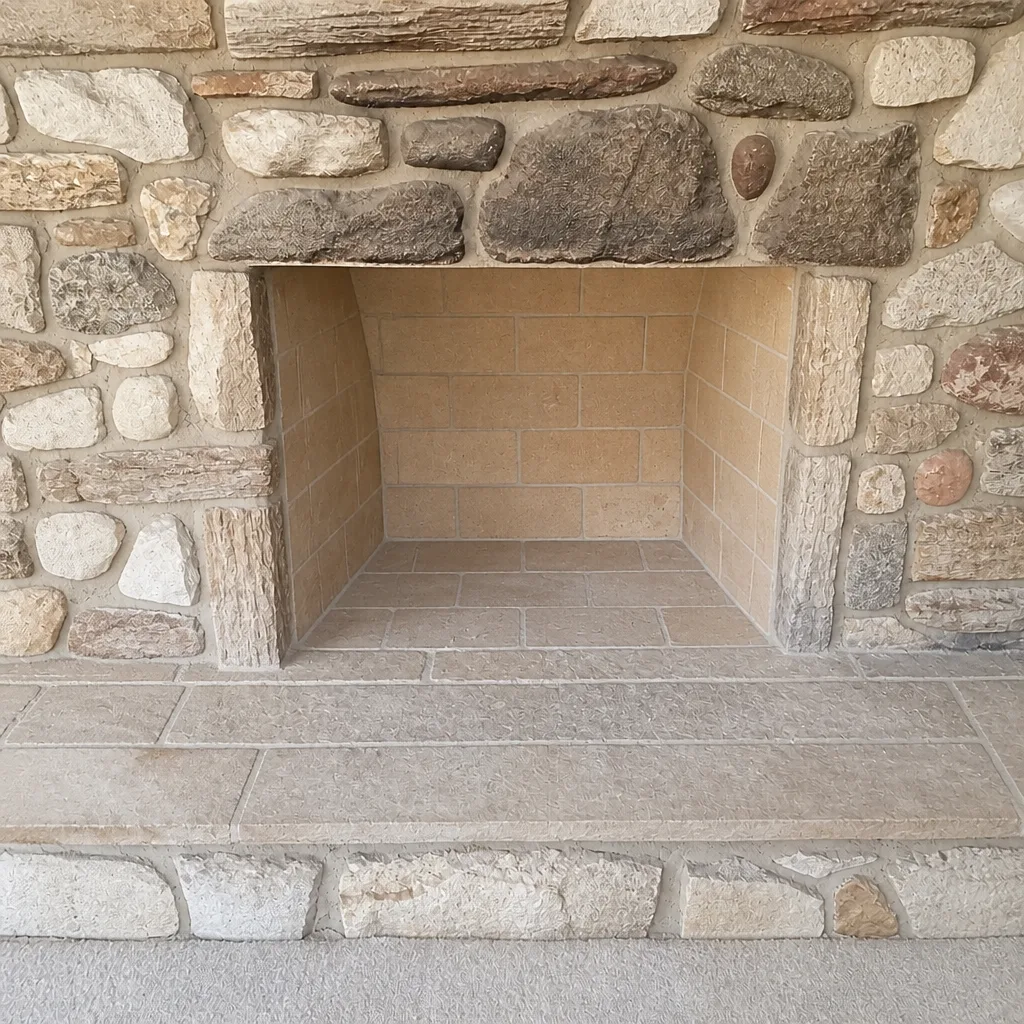 After
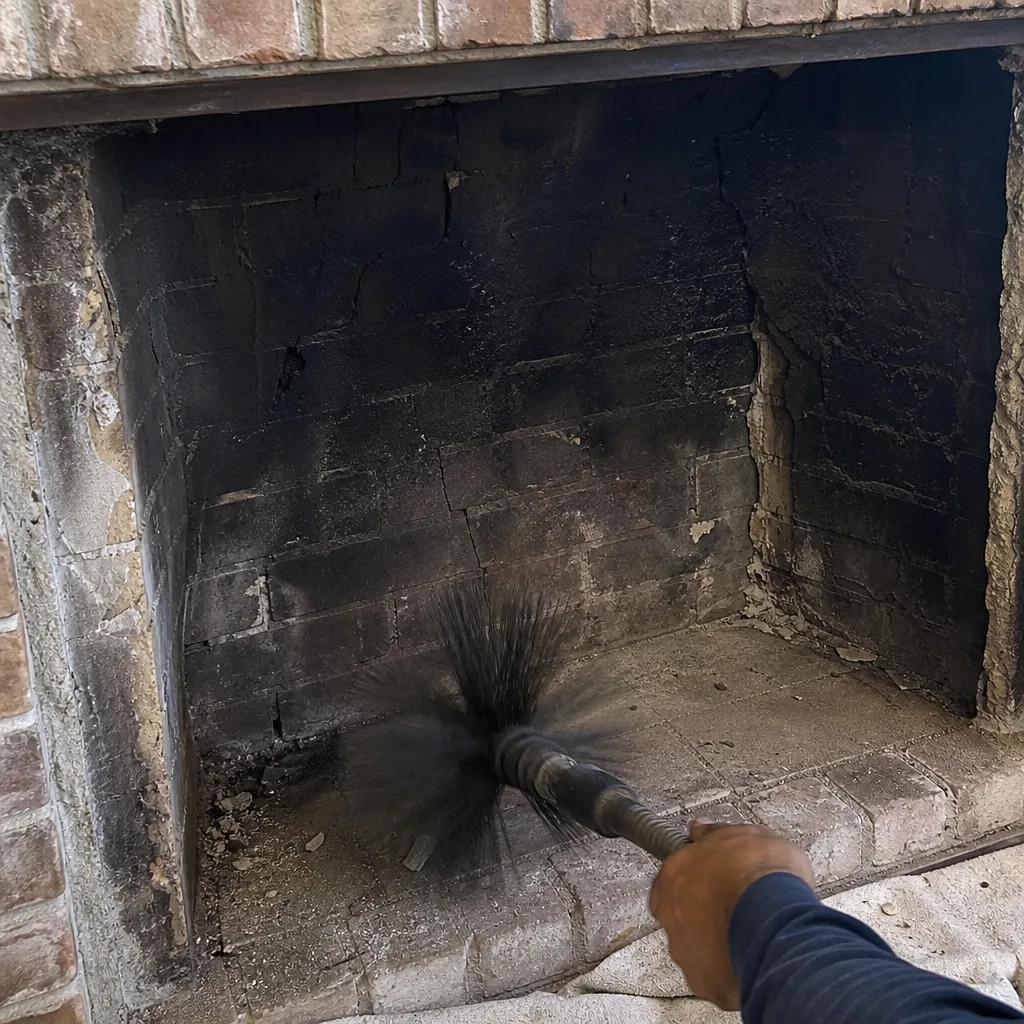 Before
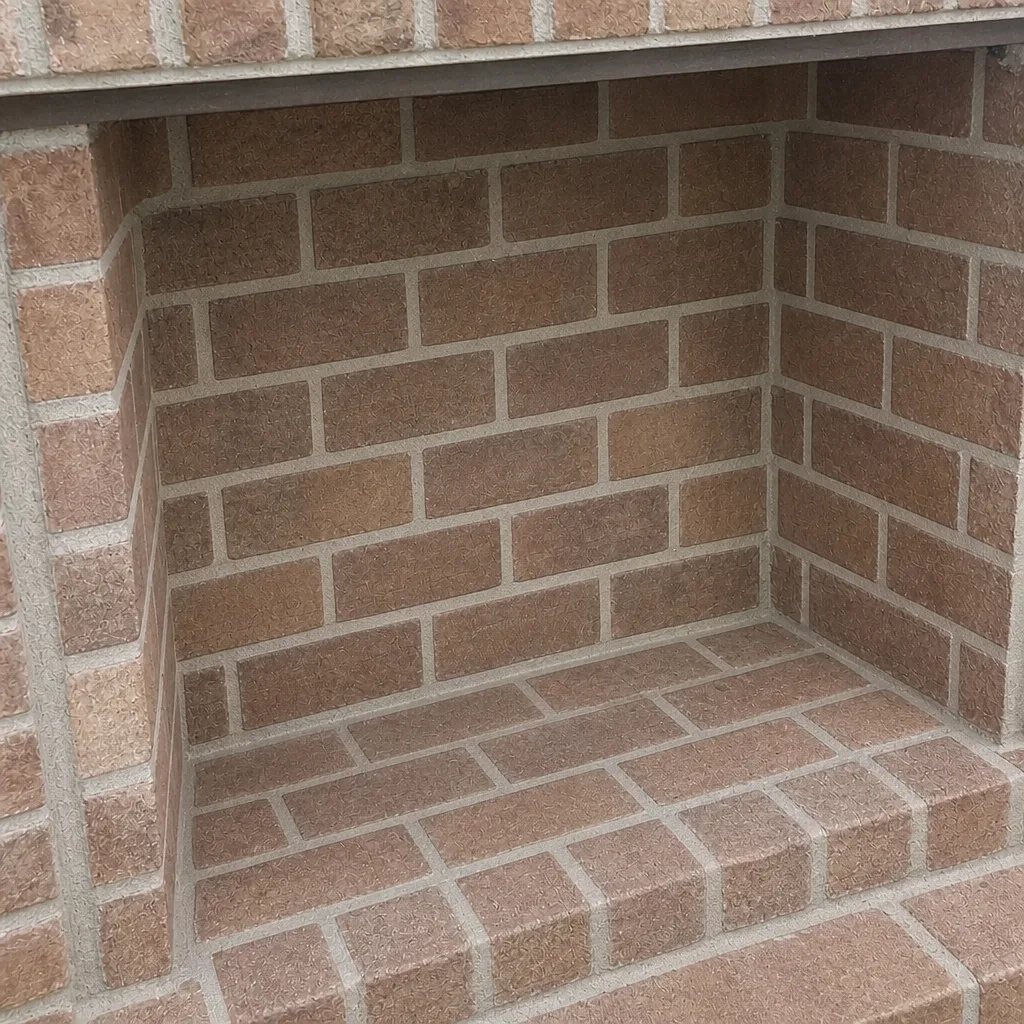 After
When to Call a Professional
Some homeowners attempt DIY chimney cleaning with store-bought brushes. We understand the impulse. But a chimney system contains components you cannot see from the firebox, and a brush cannot diagnose a compromised liner, a deteriorated cap, or a hidden animal nest. The safety risk is real: chimney fires start from creosote ignition, and carbon monoxide issues arise from compromised draft. Both are invisible until they’re not. If you haven’t had a camera inspection in the last twelve months, if you’re burning wood regularly during the winter season, or if you’ve noticed any change in smoke behavior, draft, or odor, call a professional. Chimney Sweep Perris offers free estimates in Perris. Call (833) 593-5414. We answer 24/7. Fast dispatch from 7am to 7pm, Sunday through Friday.
Frequently Asked Questions
A typical chimney sweep in Perris runs between $180 and $340 depending on system type, creosote condition, and whether camera inspection is included. The written estimate sets the final price, and the scope should specify exactly what’s covered. Call (833) 593-5414 for a free estimate. We answer 24/7. Fast dispatch from 7am to 7pm, Sunday through Friday.
Many liners with localized cracking or minor joint separation qualify for HeatShield resurfacing rather than full replacement. The decision depends on the extent and location of damage, which a camera inspection reveals. A contractor who only offers replacement without evaluating resurfacing options is not presenting a complete picture.
Wood-burning fireplaces in Perris should be inspected annually and swept whenever creosote accumulation reaches 1/8 inch or more. Given the region’s seasonal burn patterns, most homes here fall into the annual-to-biennial range. Gas systems can go longer between inspections but should still be checked for cap blockages and vent degradation.
Creosote builds up in the flue during every burn. Once it reaches ignition thickness, a hot fire can set it alight, and a chimney fire burns at temperatures that crack clay liners and warp metal flues. The fire may be contained, but the damage is done. Post-fire repairs cost multiples of a cleaning. The hazard is preventable, not theoretical. Call (833) 593-5414 to book an inspection before winter use.
Yes, and there’s a practical reason to use one company for both. Clogged dryer vents are the other major appliance-related house fire source, and the inspection methodology is similar: camera confirmation, documented findings, and a written report. Using one contractor for both reduces coordination effort and gives you a single point of accountability for both systems.
A Level 1 inspection is visual only: what the technician can see from the roof and firebox without specialized tools. A Level 2 inspection adds camera scanning of the flue interior and is the standard for annual service, real estate transactions, or any change in fuel type. Any quote offered without specifying the inspection level is incomplete.
The Bottom Line
Hiring a chimney contractor in Perris is a credential-verification exercise first and a price comparison second. The CSIA and NFI certifications, backed by a California D-34 license, separate the specialists from the brush-owners. A written scope, camera inspection, branded materials, and a photodocumented report are the markers of a company that does the job properly. Shortcut any one of these, and you’re paying for an appearance of service rather than service itself. Chimney Sweep Perris serves Perris homeowners with the same standard we’d apply to our own chimneys. Call (833) 593-5414. We answer 24/7. Fast dispatch from 7am to 7pm, Sunday through Friday.
Written by the team at Chimney Sweep Perris, serving Perris since 2013.