
Last updated November 4, 2026
 Sweep & inspection
 Caps & crowns
 Flue relining
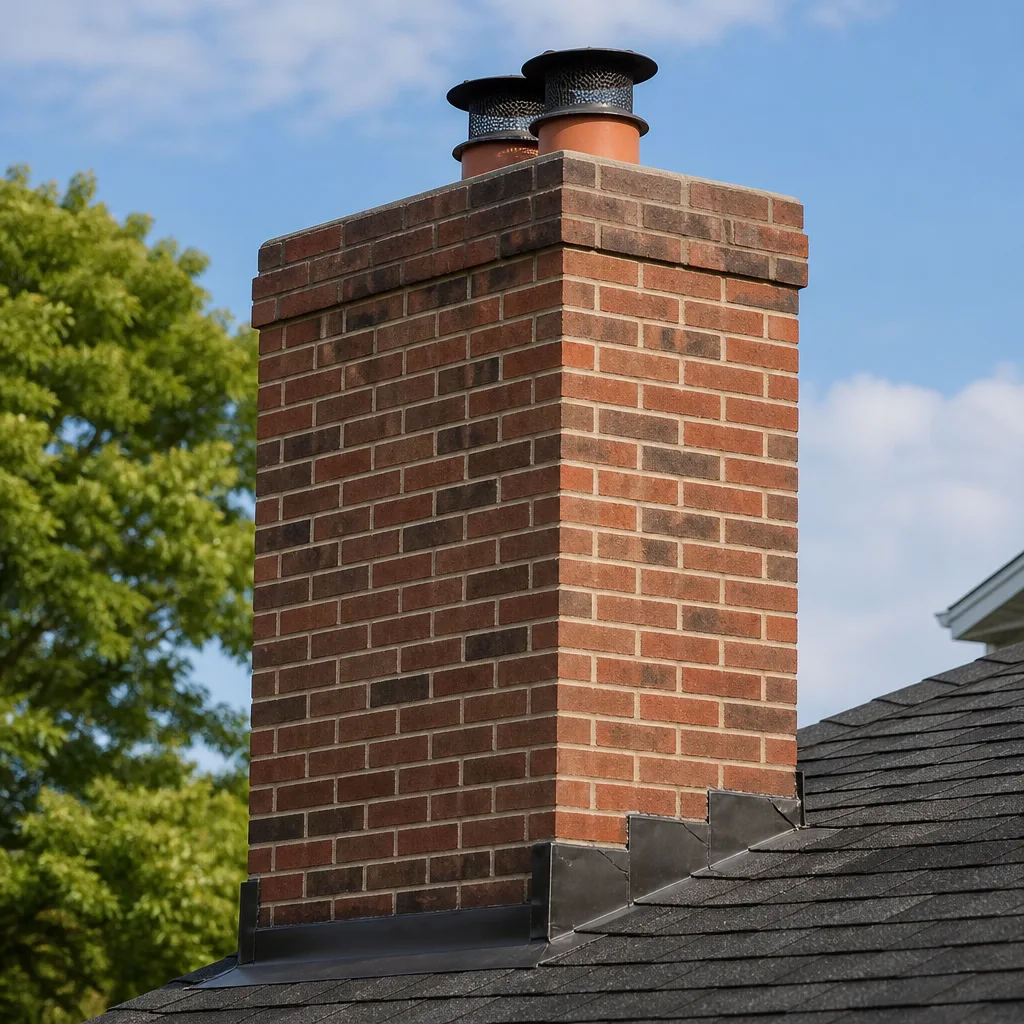 Masonry repair
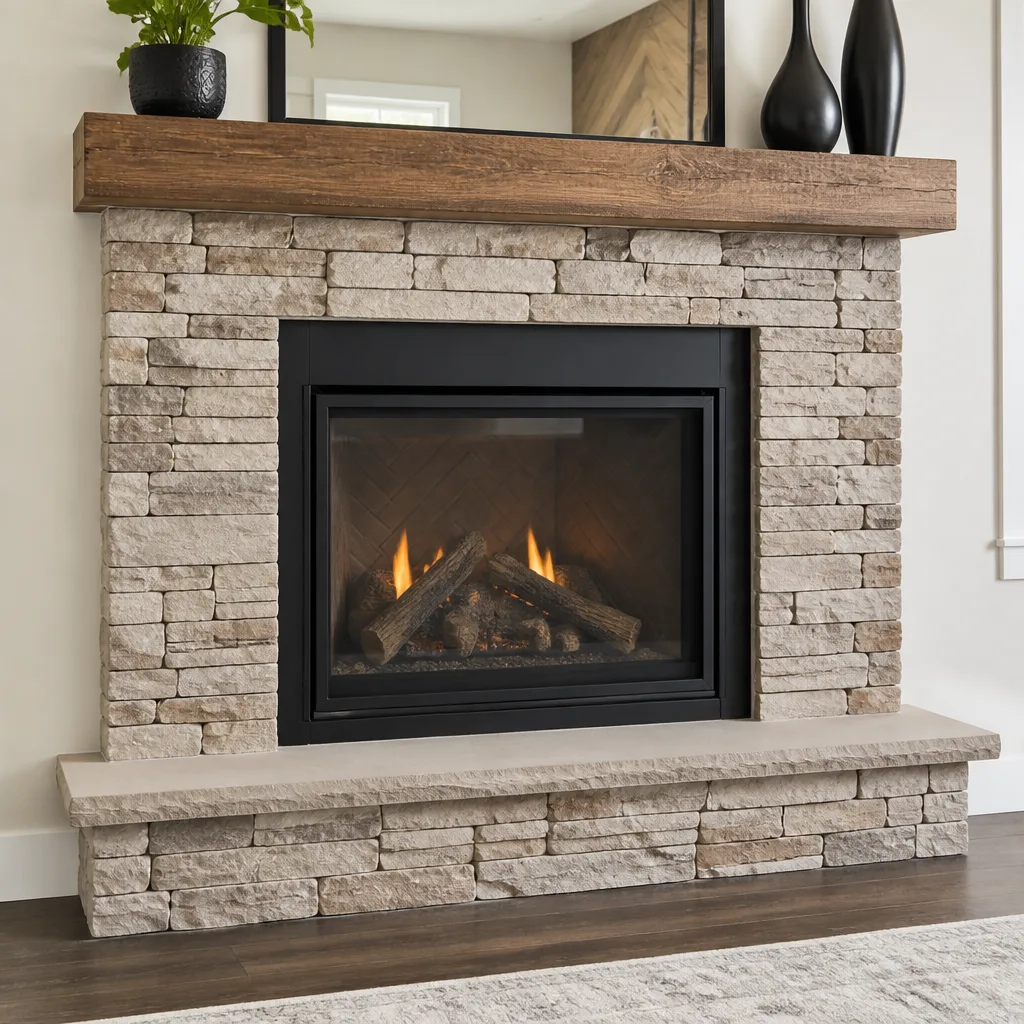 Gas fireplace service
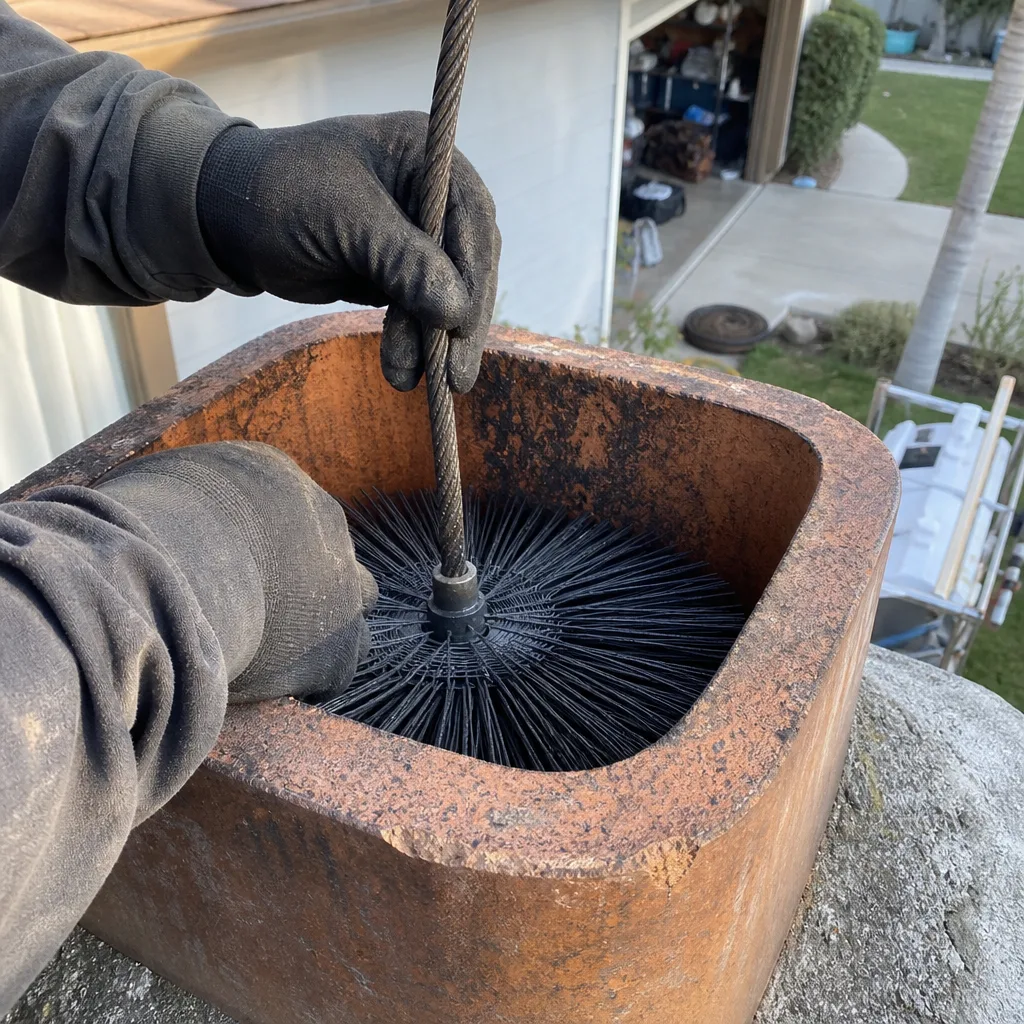
Level 1 sweep and inspection to the NFPA 211 annual standard - flue, crown, cap, and flashing checked and photographed
Chimney sweep logs do not sweep chimneys. They loosen some creosote - which then falls where a brush and vacuum still have to collect it.
Choosing the Right Chimney Cleaning Brand: A Buyer’s Guide for Perris
Most homeowners assume the difference between chimney contractors comes down to how carefully they brush the flue. That’s part of it. But the deeper question, the one that separates a ten-year repair from a two-year patch, is what materials they put back into your chimney. Two contractors can both claim to reline your chimney. One uses a certified stainless UL 1777-listed liner system. The other uses flex pipe from a building supply store. The difference in lifespan and fire resistance is not marginal. It is the difference between a 20-year installation and one that may fail inside a decade. This guide explains how to read the brand names, certifications, and material choices that tell you whether a chimney company in Perris builds to professional trade standards or retail shortcuts. You will learn what to ask, what the acronyms mean, and why the answer to “which brand do you use?” reveals more than any marketing claim ever could.
Quick Answer
The best chimney cleaning company in Perris is one that uses professional-grade material brands such as DuraFlex, HeatShield, Olympia Chimney, Famco, and Copperfield, not generic hardware-store equivalents. When a contractor can name their liner manufacturer, explain the UL 1777 listing, and show you the ASTM standard on the cap they install, you are dealing with a company that sources from the same supply houses certified chimney specialists use nationwide. Ask for the brand name, the certification number on the label, and a written explanation of whether the material warranty transfers to you as the homeowner.
Styles & brands we work with
- Sweep & inspection
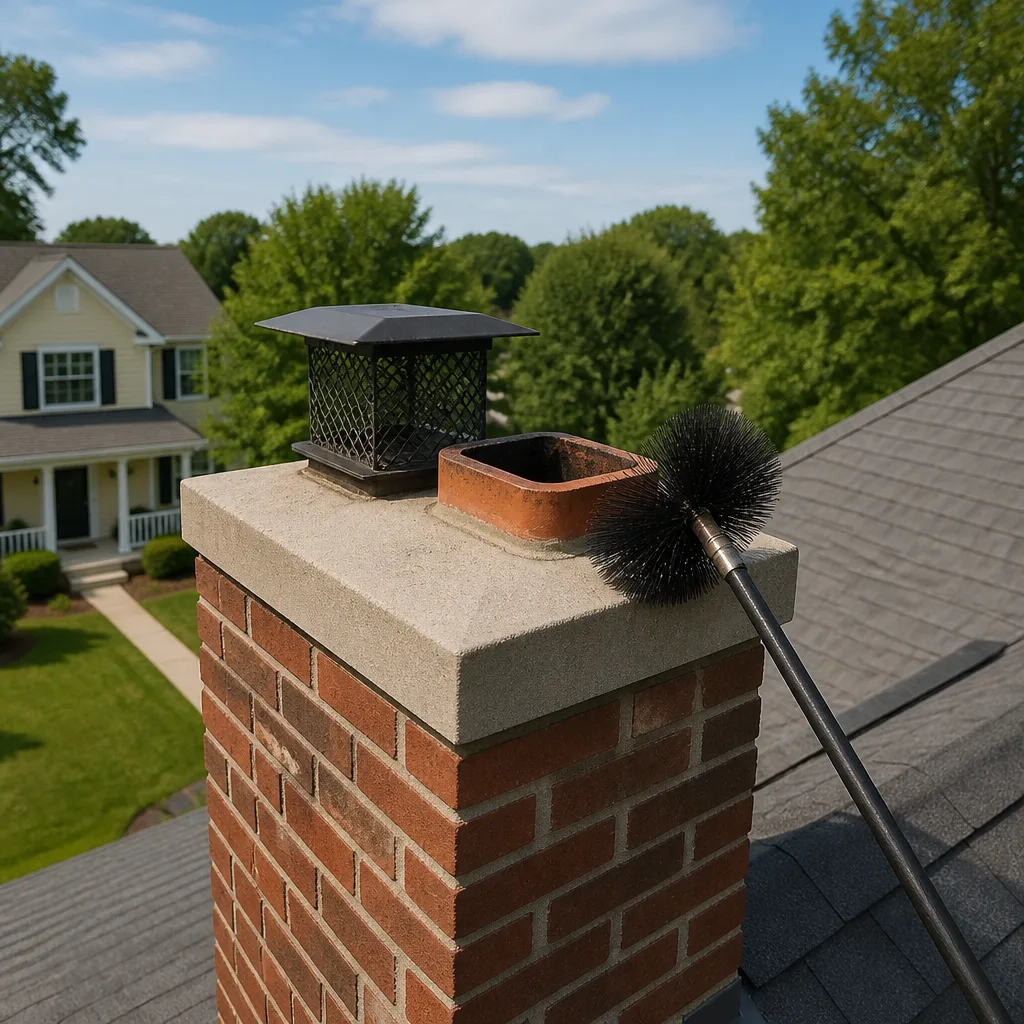
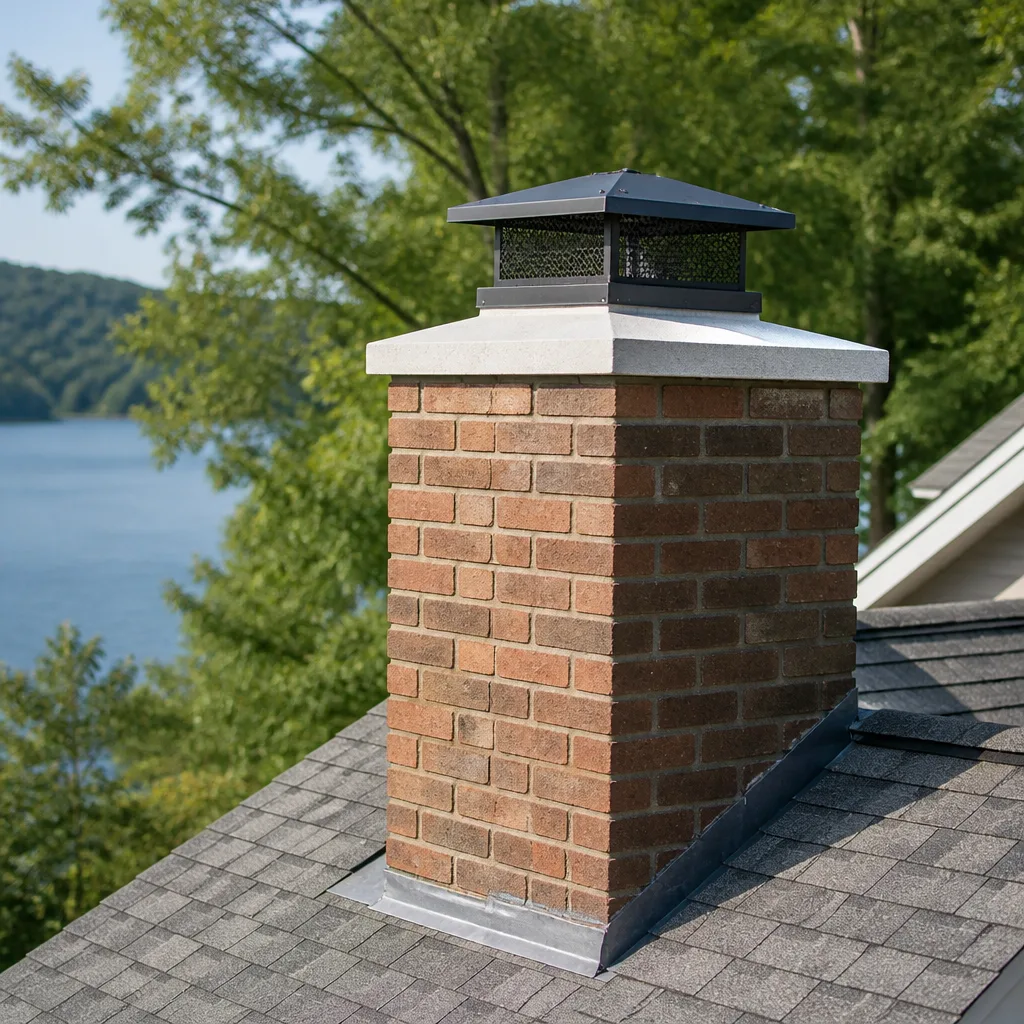
- Caps & crowns
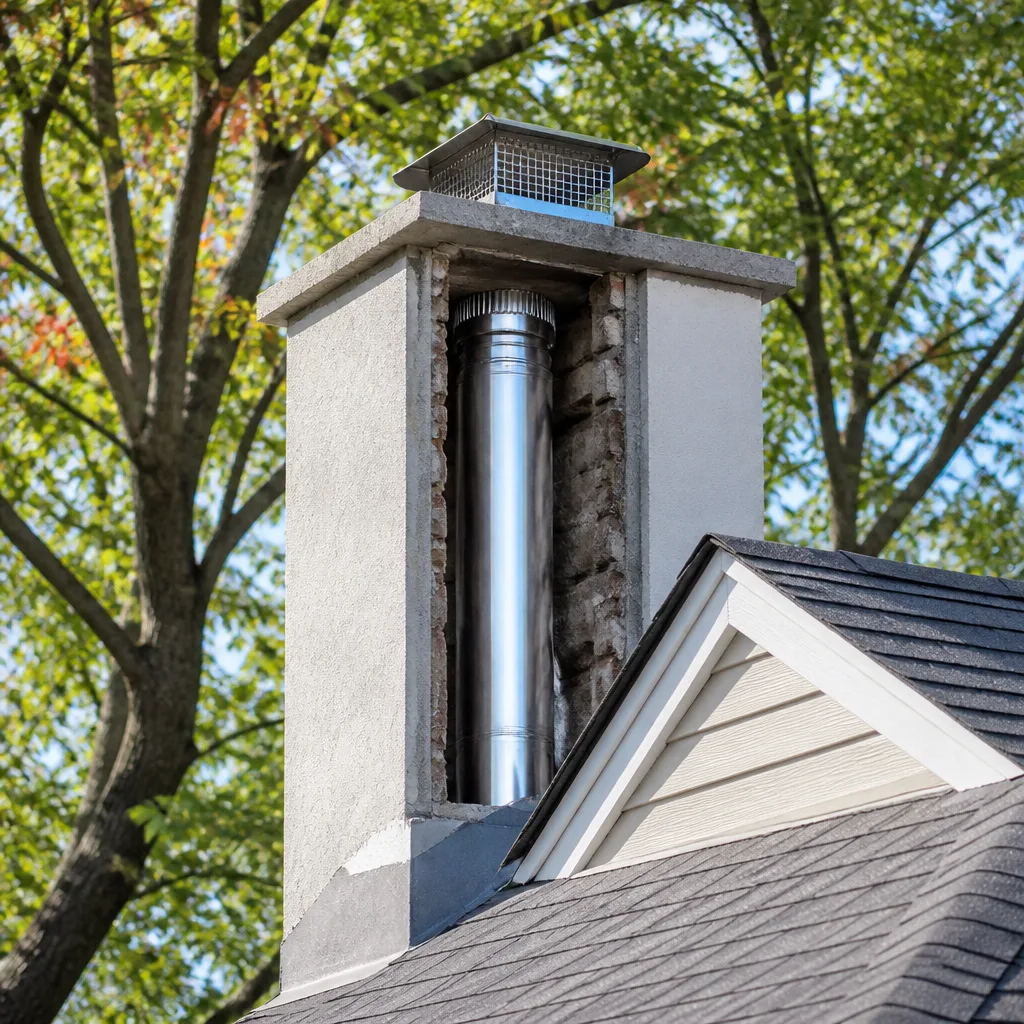
- Flue relining
- Masonry repair
- Gas fireplace service
Table of Contents
- Why the Brand Matters More Than the Brush
- How to Read Product Certifications: UL 1777, ASTM, and NFPA 211
- Contractor-Grade vs. Retail-Grade Chimney Products
- Questions to Ask Any Chimney Contractor About Their Materials
- Product Warranties vs. Labor Warranties: What Actually Transfers to You
- What Perris Homeowners Should Know About Chimney Materials and Our Climate
- A Look at the Brands Professional Chimney Companies in Perris Use
- How to Verify a Contractor’s Material Claims Before You Book
Why the Brand Matters More Than the Brush
A chimney sweep removes creosote, soot, and debris. That is the visible part of the job and, frankly, the easy part. The part that determines whether your chimney stays safe for years is what happens when the technician finds damage. Does the company have the materials on hand to repair a cracked flue liner, replace a rusted cap, or repoint deteriorating mortar? Or do they hand you a referral card and tell you to call someone else?
The professional chimney supply chain in the United States is surprisingly concentrated. A small set of manufacturers produce the liners, caps, sealants, and resurfacing compounds that certified specialists use. Companies like Olympia Chimney make stainless caps and flashing systems built to hold up under actual flue conditions. Famco produces termination caps, dampers, and related components that meet code requirements in most jurisdictions. Copperfield has spent years engineering chimney products for the professional market. DuraFlex is a name you will find on the trucks of relining specialists because their flexible stainless liner systems carry the UL 1777 listing that building inspectors look for.
When a chimney company in Perris works with these brands, it tells you something concrete. It means they buy from professional supply houses, not the aisle at a big-box store. It means the materials on your roof and inside your flue meet the same test standards used by building departments across California. A company that reaches for whatever is cheapest is making a bet with your house as the stake.
How to Read Product Certifications: UL 1777, ASTM, and NFPA 211
Certifications are not decoration. They are the difference between a product that has been tested to survive actual chimney conditions and one that has not. When you ask a contractor about materials in Perris, you should hear specific numbers and acronyms, not vague reassurances. Here is what the common ones mean.
UL 1777: The Liner Standard That Matters Most
UL 1777 is a safety standard for chimney lining systems. A liner that carries UL 1777 has passed testing for resistance to heat, corrosion, and structural integrity under conditions that simulate real wood-burning and gas appliance venting. When a contractor installs a DuraFlex flexible liner with a UL 1777 listing, the local building inspector knows exactly what they are looking at. A liner without that listing, even if it looks like stainless steel, has not been tested to the same standard. It may be thin-gauge metal that warps or fails under repeated heating cycles.
ASTM Standards: Material Quality You Can Look Up
ASTM International publishes standards for the composition and performance of materials. When a chimney cap or a masonry sealant references an ASTM standard on its spec sheet, you can look up exactly what the manufacturer tested for. For example, stainless steel used in chimney caps is typically graded by alloy type and corrosion resistance under ASTM guidelines. If a contractor cannot tell you what ASTM standard applies to the cap they are installing, that is a red flag, not a minor paperwork issue.
NFPA 211: The Code Your Chimney Should Meet
The National Fire Protection Association publishes NFPA 211, the standard for chimneys, fireplaces, vents, and solid fuel-burning appliances. It is the reference point for chimney safety in the United States and the document most local building codes point to. When a technician evaluates your flue and recommends a repair, that recommendation should be framed within what NFPA 211 requires. If a liner is cracked, NFPA 211 addresses when it must be addressed before the fireplace is used again. A contractor who never mentions the standard is either unaware of it or assumes you are.
Contractor-Grade vs. Retail-Grade Chimney Products
The same category of product can mean very different things depending on where it was purchased. A chimney cap sold at a home improvement store may look identical to a professional-grade cap from Copperfield or Olympia Chimney. It is not.
Retail-grade caps are often made from thinner-gauge metal, sometimes galvanized steel, sometimes a lower-grade stainless with fewer alloying elements for corrosion resistance. They are designed to hit a price point, not to survive two decades of Southern California sun, wind, and the thermal cycling of a working fireplace. In the Perris climate, where the afternoons are hot and the nights dip low, metal expands and contracts daily. A thin cap will show fatigue faster than you expect.
Contractor-grade products are built to a different specification. They arrive with documentation. The gauge thickness is listed. The alloy is identified. The manufacturer stands behind the product with a warranty that has an actual process behind it. When Chimney Sweep Perris installs a cap from Famco or Olympia Chimney, the homeowner receives a product with a traceable supply chain, not a box with a barcode from the clearance rack.
The same distinction applies to sealants. A tube of silicone caulk from the hardware store is not the same as the professional-grade sealants used in chimney crown repair and flashing work. Professional sealants are formulated for the specific demands of flue gases, temperature swings, and UV exposure. They cost more for a reason.
Questions to Ask Any Chimney Contractor About Their Materials
You do not need to become a materials engineer to evaluate a chimney contractor. You need to ask the right questions and watch how they answer. In our experience, a contractor who can talk specifics without becoming defensive is almost always the safer choice. Here is a short list of questions to put in front of any company before you book a chimney sweep or repair in Perris.
- Which liner manufacturer do you use? A direct answer such as DuraFlex or another UL 1777-listed brand is what you want. “Whatever works” or “a good one” is not an answer.
- Is the liner UL 1777 listed? If they say yes, ask to see the listing label. It should be on the product packaging or the installation paperwork. If they hesitate, move on.
- Who makes your caps and dampers? Brands like Olympia Chimney, Famco, and Copperfield signal a professional supply chain. No-name caps are common in the budget market.
- Do you offer HeatShield or another resurfacing option? Not every damaged liner needs a full tear-out. HeatShield resurfacing is a non-demolition repair option that can address certain types of liner damage without the cost and disruption of a full replacement. A contractor who only knows how to replace liners may not be giving you the full picture.
- Does the material warranty transfer to me as the homeowner? This question trips up a surprising number of contractors. A manufacturer’s material warranty and a labor warranty are different things. You need to know who stands behind which part.
Product Warranties vs. Labor Warranties: What Actually Transfers to You
A material warranty exists between the manufacturer and the contractor. A labor warranty exists between the contractor and the homeowner. They are not the same thing, and too many homeowners only discover the difference when something fails.
When a contractor installs a DuraFlex liner, the manufacturer may stand behind the liner itself for a period defined by their documentation. That warranty covers defects in the product. It does not cover installation errors. If the liner was bent, cut improperly, or attached incorrectly, the manufacturer is not responsible for that. The contractor is. The labor warranty, if one is offered at all, covers the workmanship of the installation.
Here is what to ask before you sign anything. Does the material warranty transfer to me, the homeowner, if the company goes out of business or if I sell the house? Many manufacturer warranties are void if the product was installed by someone who is not a recognized installer or if the warranty registration was never completed. A contractor who has a system for warranty registration is one who intends to be around when the paperwork matters.
For resurfacing work with HeatShield, ask whether the treatment requires the homeowner to maintain any documentation, and whether the warranty applies to the full liner or only the resurfaced sections. Our team at Chimney Sweep Perris explains all of this in writing before any work begins, so there is no ambiguity. A contractor who will not put warranty terms on paper is telling you something about how they handle the back end of the job.
What Perris Homeowners Should Know About Chimney Materials and Our Climate
The Perris climate shapes how chimney materials age. Winters here are mild, so you will never deal with the freeze-thaw cycling that cracks masonry in colder regions. What you will deal with is heat. Perris sees long, intense summers with high UV exposure and significant temperature swings between day and night. Metal components on the roof expand and contract with every cycle. Galvanized steel, the budget option for caps and flashing, is at a real disadvantage in this environment. Stainless steel, properly selected and installed, holds up far better.
Masonry in Perris also faces a specific set of stresses. The dry climate does not mean your mortar is safe. Cracks in the chimney crown let water in during the rare but real rain events we do get, and that water then sits against the flue liner and surrounding masonry. A professional-grade sealant from a manufacturer that formulates for chimney applications is the right tool for that repair. It is another place where retail-grade products fail early.
For Perris homeowners with wood-burning fireplaces that get used during the cooler months, the creosote buildup pattern is different from colder parts of the country. Mild winters mean shorter, less intensive burn seasons, but creosote still forms. The oil in the wood does not disappear because the outside temperature is sixty degrees. A professional sweep that includes a full inspection, not a quick brush-and-leave, is how you stay ahead of it. From the firebox to the cap, the inspection has to be complete.
A Look at the Brands Professional Chimney Companies in Perris Use
You do not need a flowchart of every chimney product on the market. But knowing a handful of brand names and what they do gives you a reference point when a contractor names their materials. Here are the brands we work with at Chimney Sweep Perris and what each one does for the homeowner.
DuraFlex manufactures flexible stainless steel chimney liner systems. These are the liners used when a chimney flue is too offset, too narrow, or too deteriorated for a rigid liner to be installed. DuraFlex systems carry UL 1777 listings, which is the critical safety certification for a liner that will carry flue gases from a wood-burning or gas appliance. When an older Perris home has a flue that has shifted or was built with unusual angles, a Dur aFlex flexible liner is often the only practical relining solution.
HeatShield is a ceramic-based resurfacing system used to repair cracked or damaged flue liners without a full demolition and replacement. In the right circumstances, HeatShield can restore the structural function of an existing clay tile liner, sealing cracks and gaps that would otherwise allow heat or gases to reach combustible materials inside the home. It is not a fix for every liner problem, but when it is appropriate, it saves significant cost and disruption compared to a full liner tear-out.
Olympia Chimney produces stainless chimney caps, flashing, and related accessories. Their caps are a common sight on professionally maintained chimneys across California. The key difference between an Olympia cap and a retail cap is the gauge of the steel and the fit of the attachment system. A proper cap not only keeps rain and animals out; it also affects draft, which means it affects how well your fireplace burns.
Famco and Copperfield both produce termination caps and related venting components for the professional market. Famco components are widely specified in residential venting applications. Copperfield has a long history of manufacturing chimney caps and accessories designed for the realities of field installation. Both are brands you should recognize if a contractor opens their truck and you see the boxes.
How to Verify a Contractor’s Material Claims Before You Book
It is one thing to ask about brands. It is another to verify that the materials arrive as promised. A contractor can say they use professional-grade products, but you should see it before you pay for it. Here is how to check without becoming a nuisance.
First, ask to see the products during the estimate visit, not after installation. A contractor with professional-grade inventory will often have sample materials on the truck or in the shop. Ask the technician to show you a section of the liner they plan to install. Look for a label. The UL 1777 listing is printed on the product, not just in the brochure.
Second, request that the brand name and model number be written on the estimate or work order. Not “stainless liner” but “DuraFlex 316L stainless liner, UL 1777 listed.” If a contractor balks at putting material specifics in writing, that is a signal. A real professional has no problem documenting exactly what they are installing because they have nothing to hide.
Third, ask whether the company handles both chimney and dryer vent cleaning in-house. This matters because it tells you whether you are dealing with a full-scope vent safety company or a chimney-only shop that will refer your dryer vent to someone else. Both fire risks, one call. It is a small convenience that signals a broader professional operation.
Fourth, pay attention to how the contractor talks about the repair, not just the sweep. A company that can sweep your chimney but cannot repair it is only half the service. Chimney Sweep Perris repairs what we find using the same professional-grade materials we have described here. Sweep, inspect, repair in one visit. That is the standard you should expect from any professional in Perris.
Common Mistakes to Avoid
- Choosing by sweep price alone. The lowest sweep price often comes from a company that makes its margin on unnecessary repairs or uses thin-gauge retail components when repair is needed. Compare the full scope, including material brands, not just the top-line number.
- Not asking for the UL 1777 listing. A liner without this listing has not passed the safety testing required by building inspectors. In Perris, the building department expects it. Do not accept a liner without it.
- Assume all stainless steel is the same quality. There are significant differences between 304 and 316 alloys, between welded and seamless construction, and between gauges. A thin, low-grade stainless cap will not survive a Perris summer the way a professional-grade cap will.
- Skip the camera inspection report. Any legitimate chimney company should offer a camera inspection of the flue interior and provide a photo report. We tell you what we find, then give you options. If a contractor tells you the liner is cracked but cannot show you the image, get a second opinion.
- Treat sealant as an afterthought. The crown sealant and flashing work are water intrusion points. Using retail silicone from a caulk gun is a temporary patch, not a repair. Ask what sealant they use and whether it is formulated for chimney applications.
- Forget to confirm whether the material warranty transfers to you. Many manufacturer warranties are void unless registered or installed by a certified installer. Confirm the warranty process in writing before the crew arrives.
See the difference
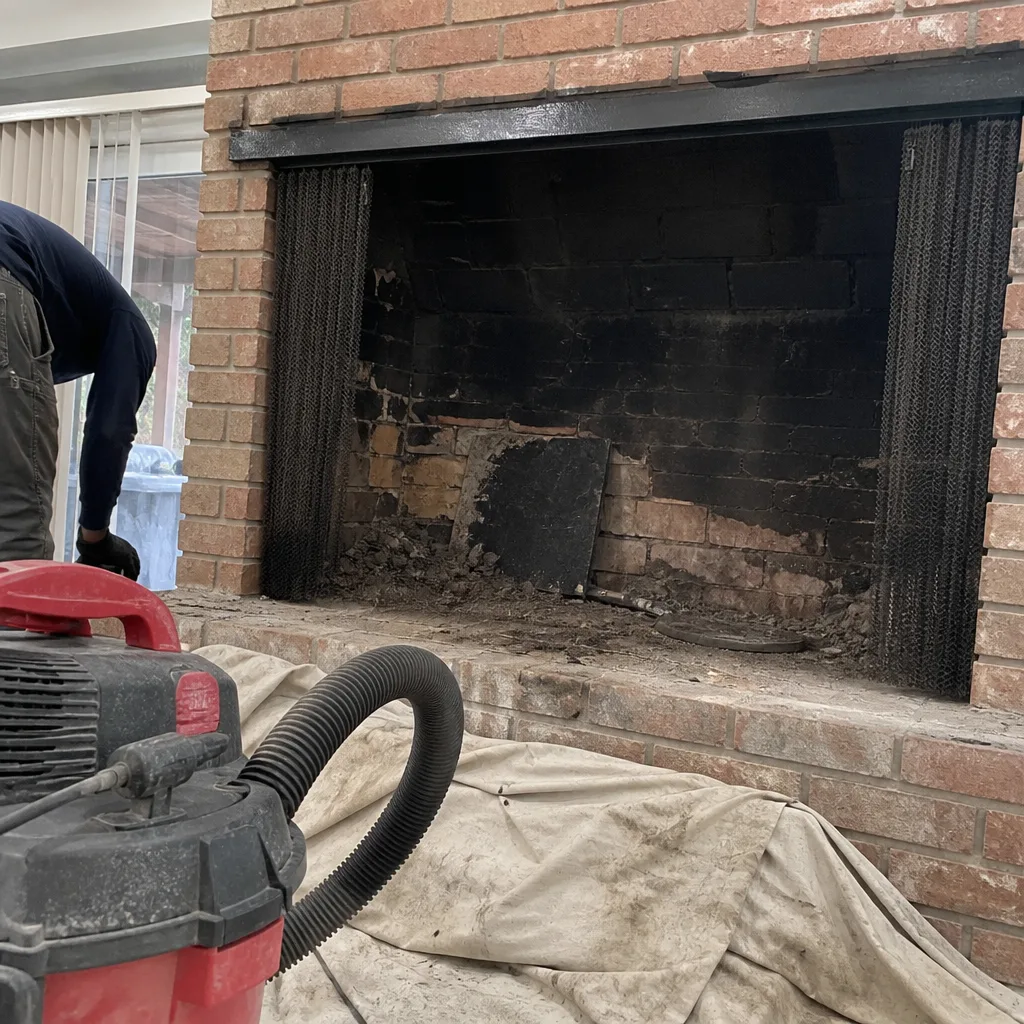 Before
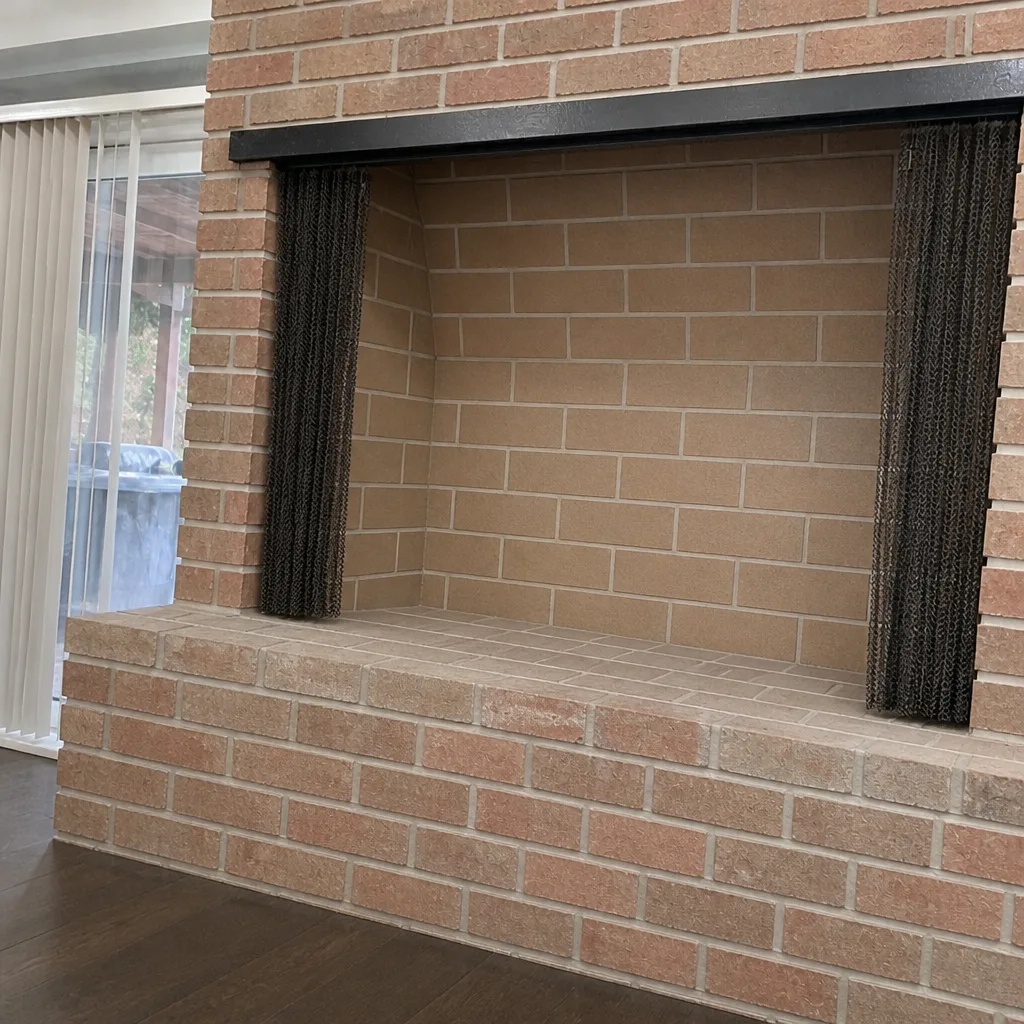 After
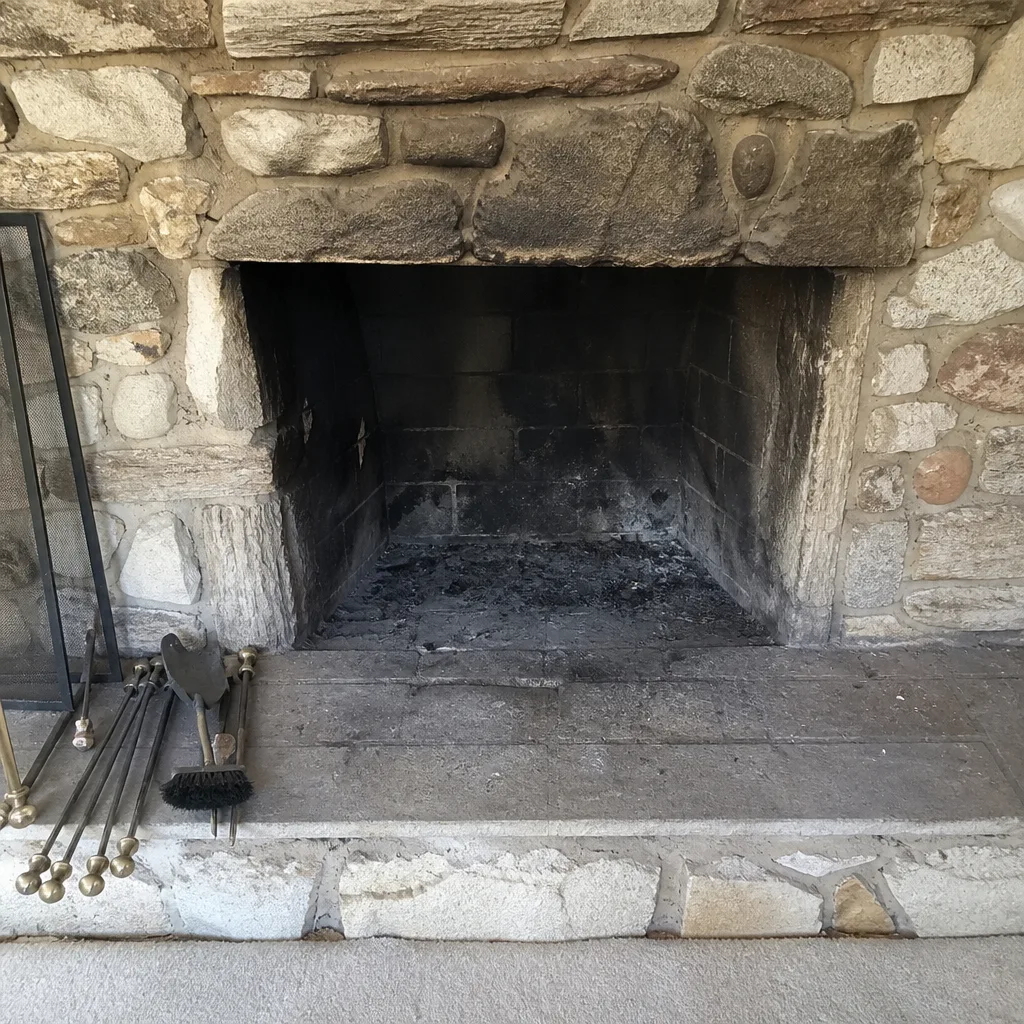 Before
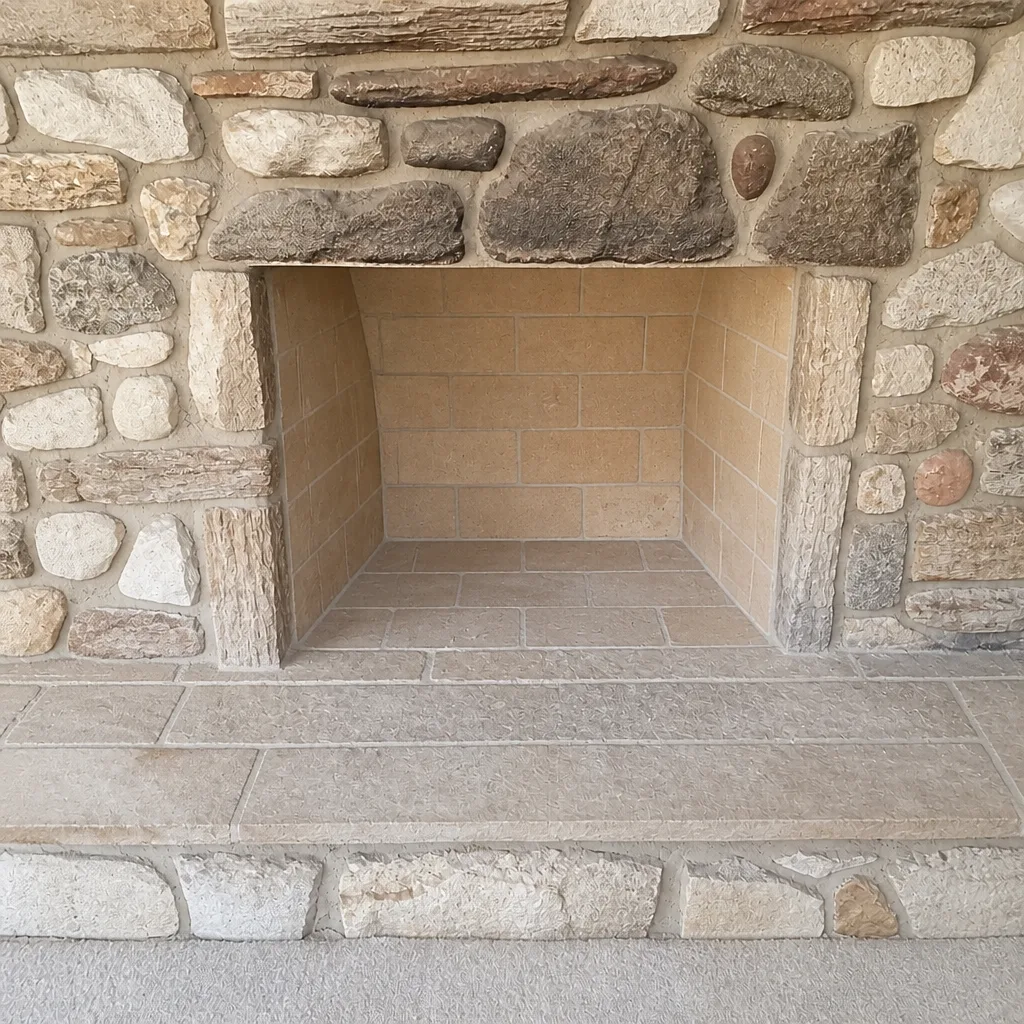 After
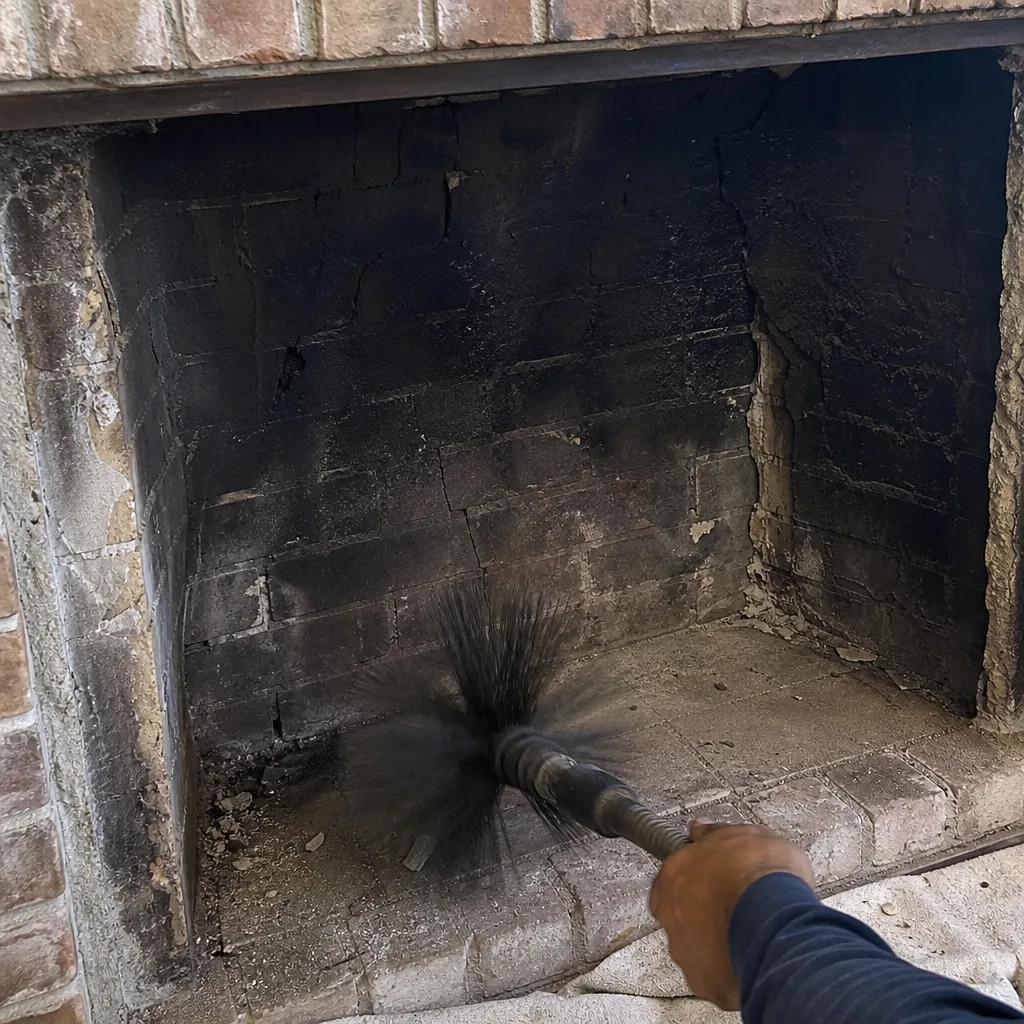 Before
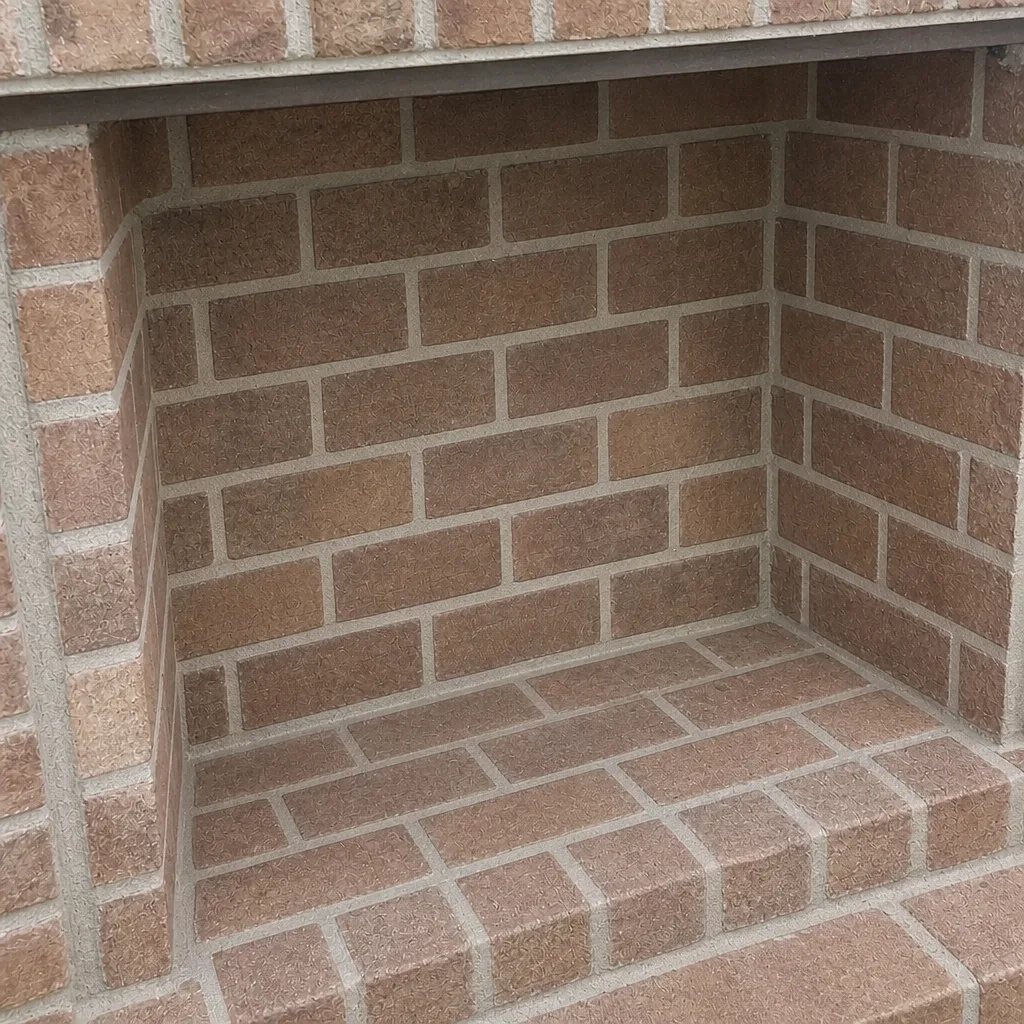 After
When to Call a Professional
You should call a professional chimney company in Perris if you notice any of these conditions: white staining on the exterior brick, a musty smell from the fireplace after rain, visible cracks in the chimney crown, pieces of tile accumulating in the firebox, a damper that no longer seals, or smoke backing into the room on windy days. You should also call for a chimney sweep before the first burn of the season, after any long period of disuse, and after any event that may have damaged the chimney structure. For dryer vents, call if lint is collecting around the dryer exterior or drying times are clearly longer than they used to be. Chimney Sweep Perris offers free estimates in Perris. Call (833) 593-5414 and we will walk you through what we will inspect and what it will cost.
Frequently Asked Questions
For the sweep itself, the brush type and the technician’s care are the main variables. But the brand question becomes critical the moment any repair, relining, cap replacement, or sealing work is recommended. The material brands tell you whether the company sources from professional supply houses or retail aisles.
A UL 1777 liner has passed independent safety testing for heat resistance, corrosion resistance, and structural performance under real flue conditions in Perris and everywhere else. A non-listed stainless tube may be stainless, but it has not demonstrated safety under fire conditions, and most building departments will not approve its installation.
HeatShield resurfacing can address cracked clay tile liners without a full tear-out in many cases. The liner must be evaluated by camera first. If the damage is limited to cracking and the structural shape is intact, HeatShield is a legitimate non-demolition option. If the liner is fully deteriorated or missing sections, a full replacement with a UL 1777 liner is the right repair. We will show you the camera images and explain why.
The National Fire Protection Association recommends at least an annual inspection, with sweeping performed when creosote reaches a measurable level or before the burning season if you use your fireplace regularly. Even in a mild winter climate like Perris, creosote forms, and it remains combustible. An annual inspection catches problems before they become structural.
Yes. Dryer vent cleaning and chimney work are related disciplines. Both involve removing combustible buildup from a venting system, and both are top causes of appliance-related house fires. A company that handles both can evaluate your entire home venting system in a single visit.
Coverage depends on your specific policy and the cause of the damage. We can work with your insurer and provide the documentation, photos, and material specifications they need to process a claim. We do not bill insurance directly, but we will make sure the paperwork tells the full story.
The Bottom Line
The brand names on a chimney company’s truck are not marketing decoration. They are a window into the company’s sourcing standards, its relationship with professional supply houses, and the durability of the materials it installs in your home. In Perris, where heat and UV exposure age chimney components year after year, material quality is not a preference. It is a safety issue. Ask for the UL 1777 listing. Ask who makes the cap. Ask whether the material warranty transfers to you. A contractor who can answer those questions specifically, without hesitation, is a contractor who works at a professional standard. A contractor who cannot is gambling with your flue. Call (833) 593-5414 for a free estimate. We answer 24/7. Fast dispatch from 7am to 7pm, Sunday through Friday.
Written by the team at Chimney Sweep Perris, serving Perris since 2013.