
Last updated November 4, 2026
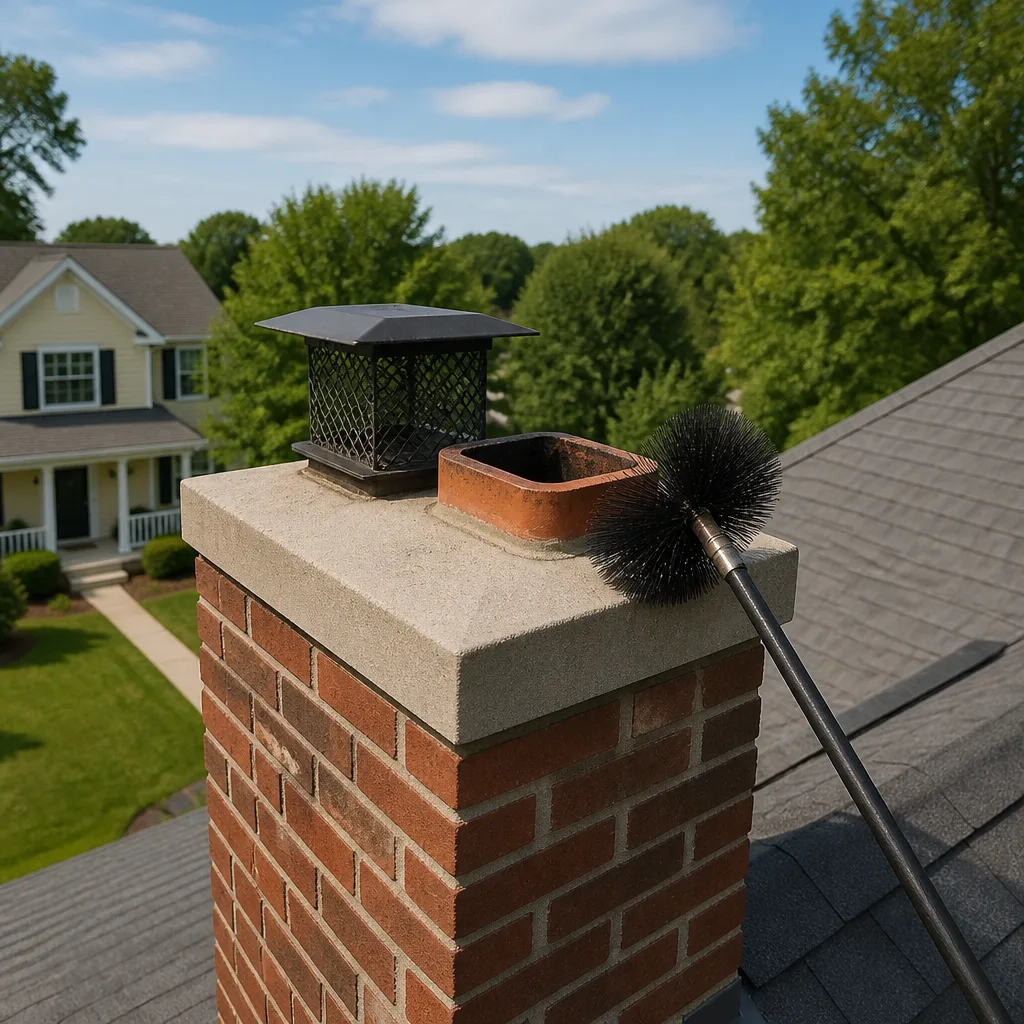 Sweep & inspection
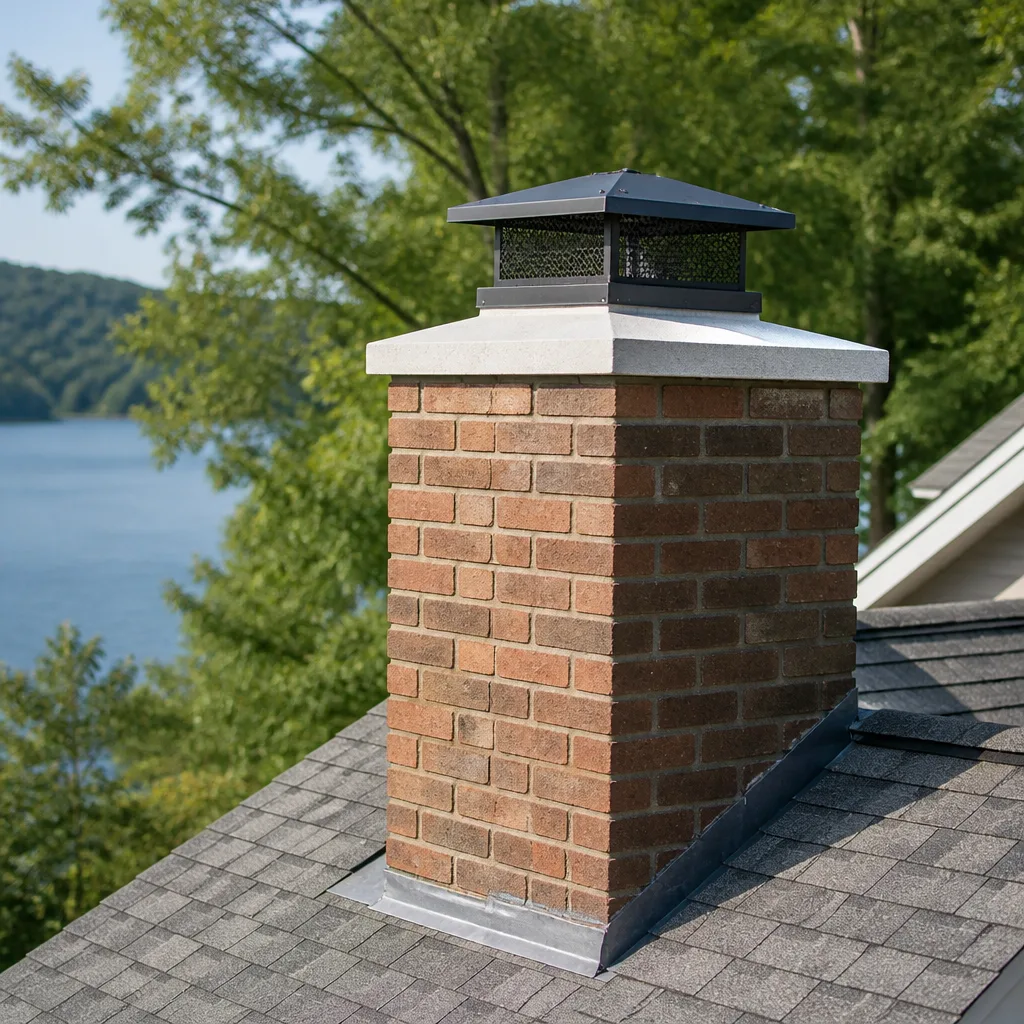 Caps & crowns
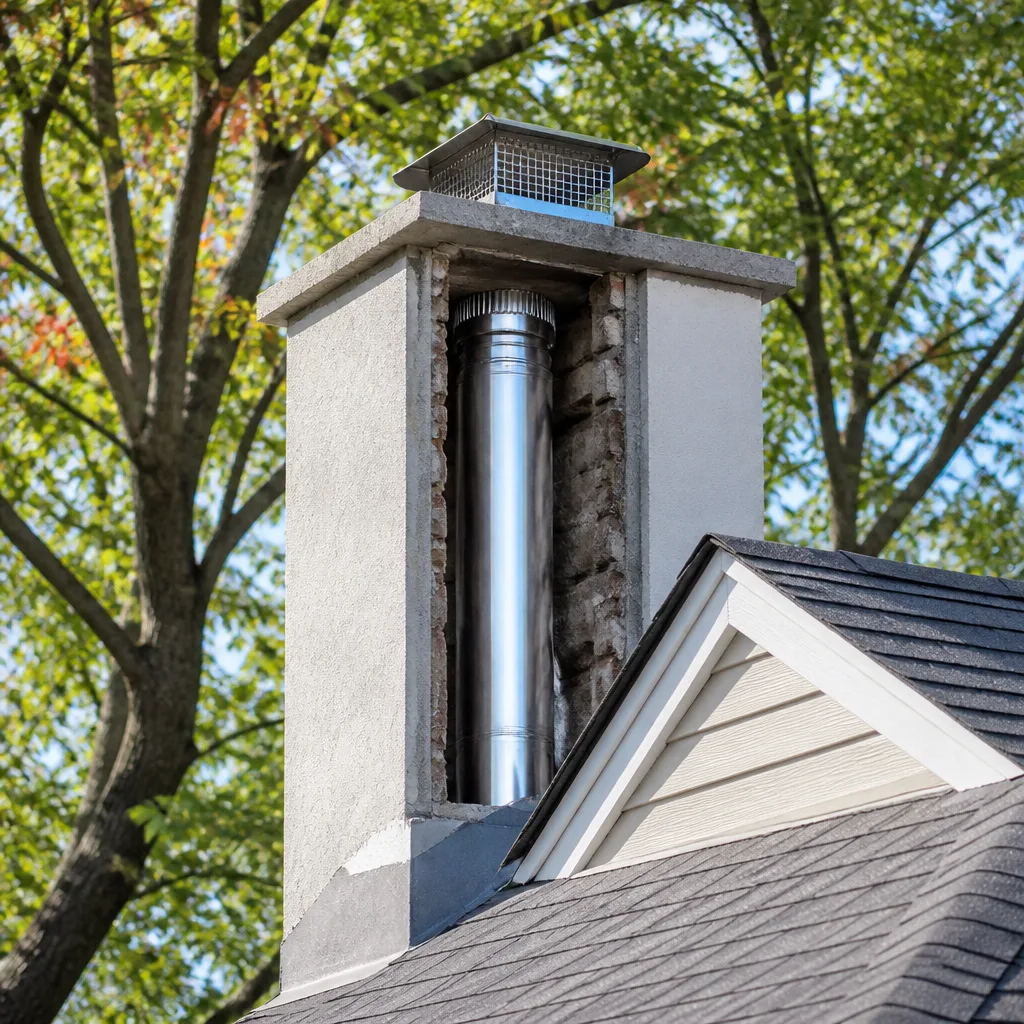 Flue relining
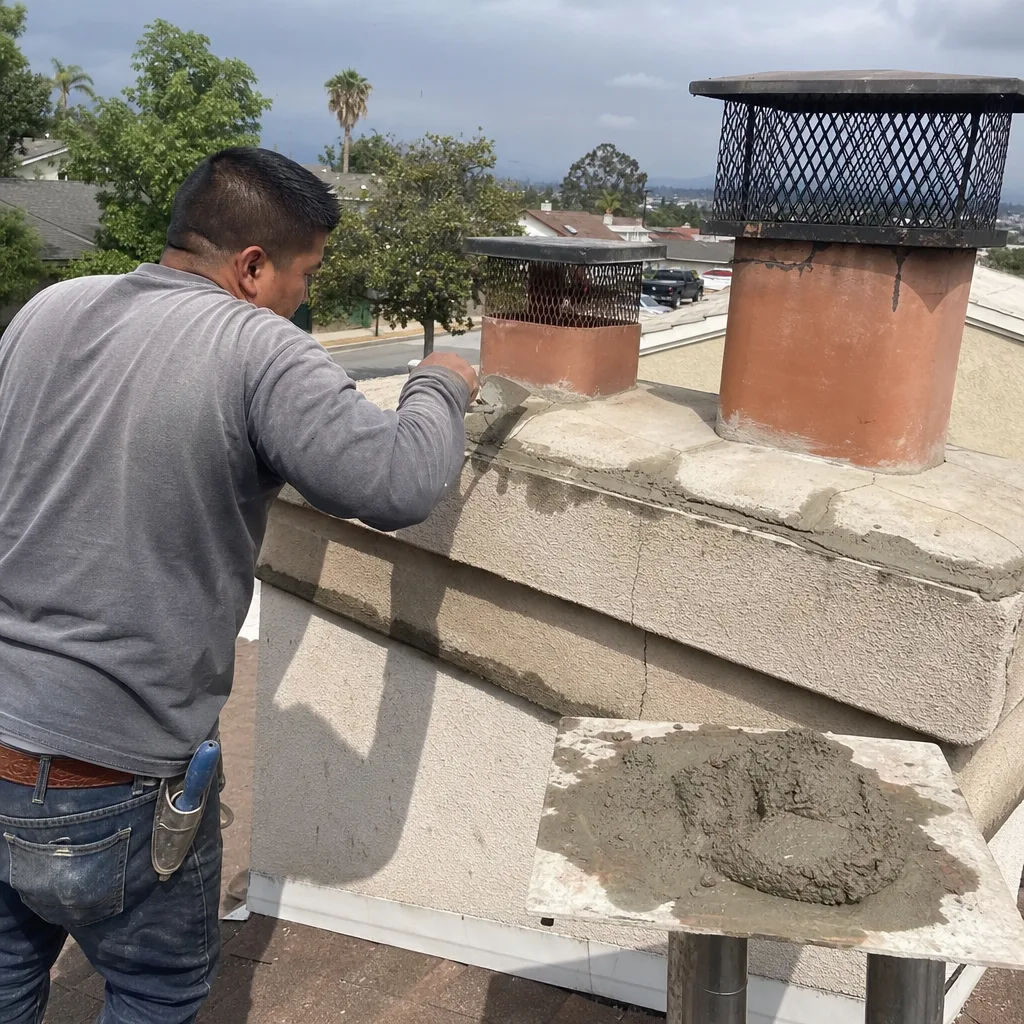
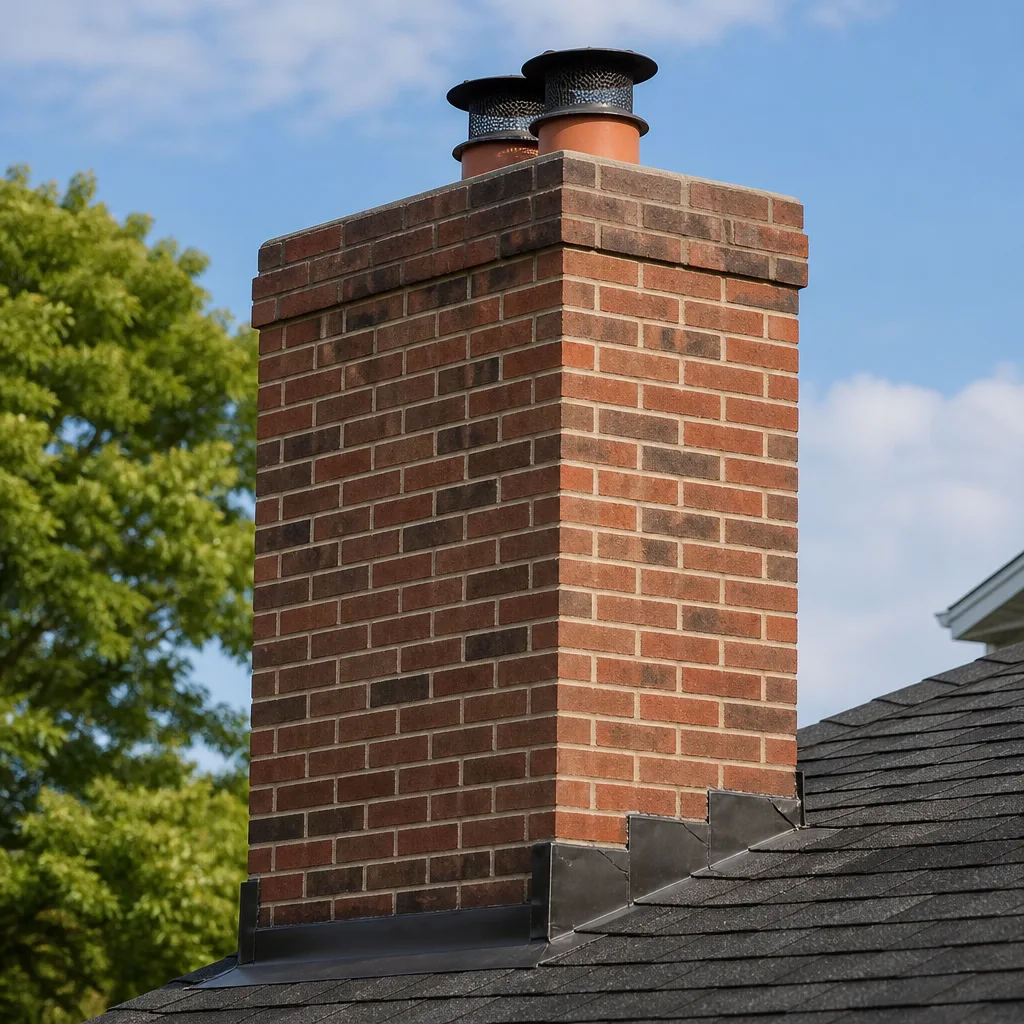 Masonry repair
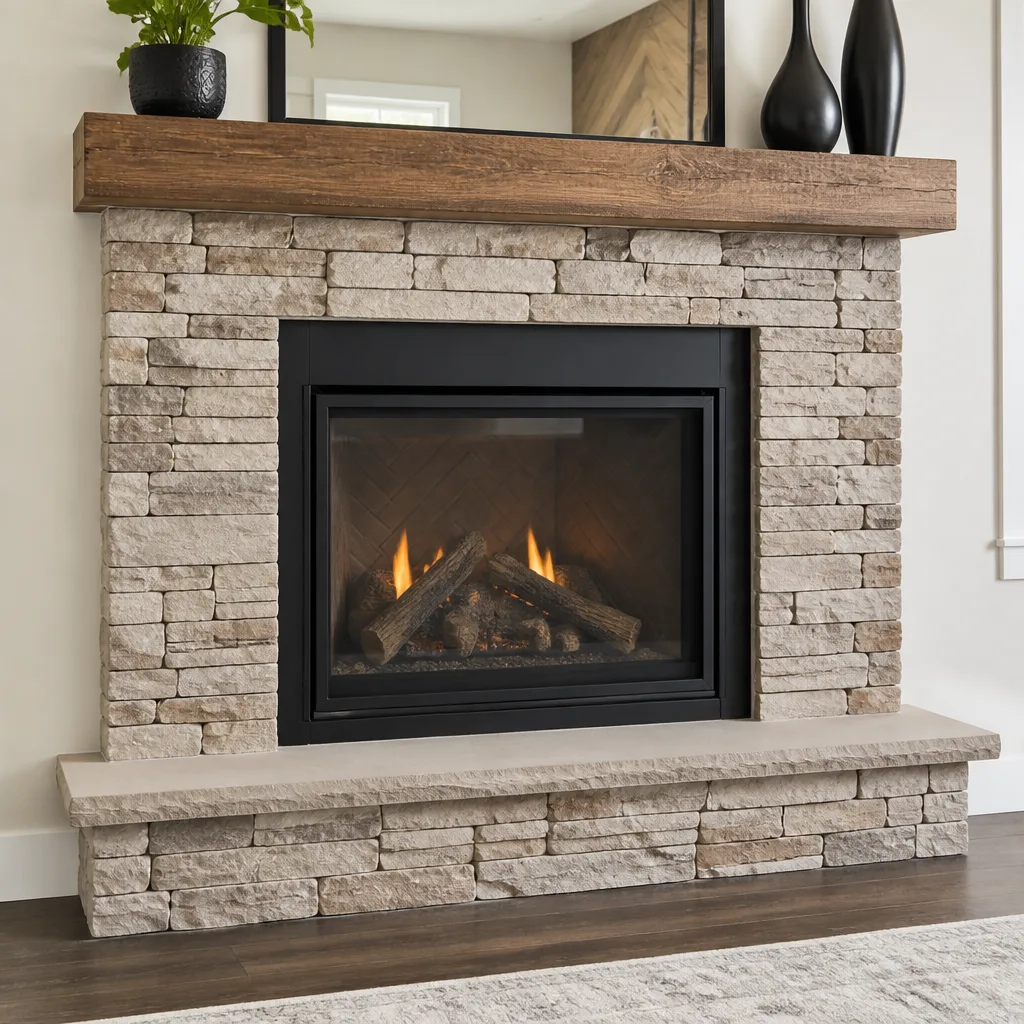 Gas fireplace service
Level 1 sweep and inspection to the NFPA 211 annual standard - flue, crown, cap, and flashing checked and photographed
Chimney sweep logs do not sweep chimneys. They loosen some creosote - which then falls where a brush and vacuum still have to collect it.
DIY vs Professional Chimney Cleaning: The Perris Homeowner’s Decision Guide
A homeowner in Perris can safely brush a straightforward fireplace flue with the right tools and a little patience, but the same person standing in front of an offset flue or a liner that was patched five years ago is making a genuinely dangerous decision if they try. The truth is that do-it-yourself chimney cleaning is not a moral question or a test of your handiness. It is a question of whether your specific chimney falls inside a narrow set of conditions that make brushing safe and effective, or outside them, where you need a camera, training, and repair capability. This guide lays out exactly where that line sits. We will show you the five conditions that make a DIY brushing reasonable, the break-even math on equipment, what DIY brushing cannot see, and why living in Perris shifts the odds toward professional service more often than homeowners expect.
Quick Answer
DIY chimney cleaning in Perris is a reasonable option only when five conditions all hold true: a straight flue with no offsets, a wood-burning fireplace used fewer than ten times per season, no prior liner or masonry repairs, a chimney less than twenty years old, and a homeowner comfortable working on a roof with the right safety gear. If any of those conditions fail, a professional chimney sweep is the safer and usually more economical choice over time, because brushing only removes loose creosote and cannot assess hidden liner cracks, Stage 2 or Stage 3 glazed creosote behind the smoke shelf, or failed mortar joints in the firebox. Homeowners in Perris face an additional factor: our wildfire season and Santa Ana wind patterns put a premium on camera-verified flue condition rather than a brush-and-hope approach.
Styles & brands we work with
- Sweep & inspection
- Caps & crowns
- Flue relining
- Masonry repair
- Gas fireplace service
Table of Contents
- The Five Conditions That Make DIY Brushing Reasonably Safe
- What DIY Brushing Cannot Assess
- The Honest Break-Even Analysis: Equipment vs Professional Service
- Why Perris Wildfire and Santa Ana Conditions Change the Math
- A Step-by-Step DIY Brushing Process (For Those Who Qualify)
- What to Do If You Brush Your Own Flue and Find Something Concerning
- Common Mistakes to Avoid
- When to Call a Professional
- Frequently Asked Questions
The Five Conditions That Make DIY Brushing Reasonably Safe
We are a chimney service company, and we will say plainly that brushing your own flue is not a scam to be debunked. Done correctly, on the right chimney, it removes loose creosote and buys you another season. The problem is that most homeowners never learn whether their chimney is the right chimney. Here are the five conditions that, in our experience, separate a safe DIY job from one that should be handled by a professional.
- Flue geometry is straight. A straight flue runs from the firebox to the cap without bends, offsets, or angles. If you can look up from the firebox with a flashlight and see daylight through the top, you likely have a straight flue. Any offset, even a small one, creates a spot where a brush can jam, miss creosote, or damage a liner seam.
- You burned fewer than ten fires last season. Burn frequency directly controls creosote accumulation. Fewer than ten fires in a mild Perris winter typically means light, dusty creosote (Stage 1) that a brush can actually remove. Twenty fires or a season of slow, smoldering oak creates tar-like Stage 2 creosote that a brush alone cannot clear.
- You burn seasoned wood only. Dry hardwood with moisture content under 20% burns hot and produces less creosote. Green wood, pine, or construction scraps smolder and deposit glaze. If you have ever burned anything other than properly seasoned firewood, assume professional cleaning is warranted.
- The chimney is under twenty years old. Newer chimneys have intact mortar joints, sound crowns, and liners that have not yet experienced thermal stress from hundreds of heating cycles. Older chimneys in Perris, particularly those built before current construction standards, often have deteriorating clay tile liners or corroded metal flues that need camera inspection before any brushing.
- There is no repair history. A chimney that has never been patched, relined, resurfaced, or had masonry work done is a known quantity. A chimney with a prior liner patch, tuckpointing, or a replaced crown is telling you something: a component already failed once. Brushing around a previous repair without knowing its current condition is how small cracks become liner replacements.
If all five conditions hold, we will tell you honestly that a careful DIY brushing is a defensible choice. If any one of them fails, the risk shifts. A homeowner in Perris with an offset flue who brushes their own chimney is not saving money. They are deferring a repair they cannot see, and that repair gets more expensive the longer it waits.
What DIY Brushing Cannot Assess
The biggest misconception about DIY chimney cleaning is that a brush is a diagnostic tool. It is not. A brush removes loose debris from the flue walls. It cannot tell you what is happening behind the smoke shelf, inside the throat of the chimney, along the firebox joints, or at the cap-to-crown seal. Those are the places where chimney fires start and carbon monoxide escapes. Here is what DIY brushing misses.
Stage 2 and Stage 3 creosote behind the smoke shelf. The smoke shelf is the horizontal ledge just above the firebox. It is designed to catch falling debris and redirect downdrafts. It is also a collection point for creosote that no brush from the top or bottom can reliably reach. Stage 2 creosote is a flaky, tar-like deposit. Stage 3 is glazed, hardened, and highly combustible. A chimney that looks clean from the flue walls can have dangerous glaze concentrated behind the smoke shelf. Only a camera inspection with a rotating head can confirm it is clear.
Liner cracks and separations. Clay tile liners crack from thermal stress. Metal liners corrode and separate at seams. A brush slides over these problems without detecting them. A cracked liner allows heat and gases to reach combustible framing. In Perris, where wildfire embers and Santa Ana conditions already place homes under significant fire stress, an undetected liner crack is a risk no homeowner should carry into burning season.
Firebox joint failure. The firebox is the masonry chamber where the fire burns. Its mortar joints expand and contract with every heating cycle. When joints fail, heat transfers through the cracks to surrounding framing. DIY brushing does nothing to assess firebox joint integrity. A professional sweep includes a firebox inspection, and a repair-qualified company can address what it finds on the same visit rather than leaving you to coordinate a second contractor.
Cap-to-crown seal integrity. The crown is the concrete slab that caps the chimney structure. The cap is the metal or masonry cover that keeps rain, animals, and debris out of the flue. The seal between them deteriorates over time. Water intrusion through a failed seal causes spalling brick, rusted dampers, and mold. It is a roof-level issue that requires visual inspection from above, not a brush pass from inside.
The pattern here is consistent: DIY brushing addresses loose deposits, and only loose deposits. Everything that actually causes fires, gas leaks, or structural failure requires visual inspection with a camera or trained eyes. When we sweep a chimney for a homeowner in Perris, we are doing more than brushing. We are documenting condition from the flue to the damper, so the homeowner knows whether they are safe or whether a repair is due.
The Honest Break-Even Analysis: Equipment vs Professional Service
We have heard the argument enough times to address it directly: “Why would I pay for a sweep when I can buy a brush for forty dollars?” The answer is that the brush is not the full cost of a DIY job, and a one-time DIY job is not the right comparison against ongoing professional service. Here is the honest math.
What a real DIY setup costs. A wire chimney brush sized for your flue runs $40 to $80. Add fiberglass extension rods at $15 to $25 each, and a typical one-story chimney needs four to six rods, so $60 to $150. You will want a drop cloth, a shop vacuum with a HEPA filter (or a rental), a dust mask rated for creosote particulate, safety goggles, and work gloves. A ladder that reaches your roof safely is either something you own or a rental. Roof harness gear, if you follow the safety guidance that any responsible guide will insist on, adds $100 to $200. Total realistic first-time cost: $300 to $600, depending on what you already own and whether you buy or rent safety equipment.
What a professional sweep costs in Perris. A standard chimney sweep in the Perris market typically runs $150 to $300, depending on flue size, condition, and whether you add a dryer vent or other service. That price includes brushing, vacuuming, the inspection, and most importantly, a camera check of liner condition. If we find a problem, we can address it in the same visit because we carry repair capability and professional-grade materials rather than a brush and a flashlight.
The true break-even. Your first DIY job might cost the same as a professional sweep or more, not less, once you account for equipment. The second DIY job gets cheaper because you already own the tools. But that assumes nothing goes wrong: no jammed brush requiring a professional extraction call, no missed glaze leading to a chimney fire, no liner crack that goes undetected for another season. The honest economic case for DIY only holds if you qualify on all five conditions, you plan to brush annually for several years, and you accept that you are still not getting a camera inspection.
For most homeowners in Perris, the break-even analysis favors professional service for a simple reason: the professional visit includes both cleaning and inspection. The DIY visit includes cleaning and nothing else. You are not comparing a brush to a brush. You are comparing a brush to a brush plus a diagnostic that can prevent a chimney fire.
Why Perris Wildfire and Santa Ana Conditions Change the Math
A homeowner in a rainy climate who skips a chimney inspection risks water damage. A homeowner in Perris who skips one risks ember intrusion, rapid fire spread, and a home exposed to some of the most aggressive fire weather in the country. The difference matters.
Perris sits in a wildfire-prone region where Santa Ana winds push fire hard and fast through dry vegetation. Those winds also drive embers miles ahead of the fire front. Embers do not need your house to be in the flames. They need an entry point: a failed cap-to-crown seal, a cracked liner, a deteriorated spark arrestor, a gap around the chimney structure. A chimney that has not been camera-inspected is an ember landing pad attached to your roofline.
The same dry conditions that make Perris fire weather dangerous also affect creosote behavior. Creosote that sits through the long, dry offseason becomes harder and more brittle, which sounds safe until you realize that brittleness means it flakes and lifts rather than absorbing moisture. Those flakes ignite at lower temperatures than fresh creosote. A chimney that sat dormant from March through November in Perris can be more hazardous on first burn than it was at the end of last season, precisely because the deposits have dried and destabilized.
None of this is visible from the firebox, and none of it is addressed by a brush. This is why we recommend camera inspection as a standard part of any chimney service in Perris, and it is a central reason the scale tips toward professional service more often here than in a temperate coastal city. The fire risk in Perris is not hypothetical, and the consequences of an undetected chimney problem are not limited to your chimney. They extend to your roofline, your walls, and your home.
A Step-by-Step DIY Brushing Process (For Those Who Qualify)
If you have read the five conditions, you meet all of them, and you still want to brush your own flue, here is the process we would describe to a friend. Follow it carefully, use the safety equipment, and stop if anything does not look right.
- Inspect from the ground first. Walk around the house and look at the chimney structure. Check for visible cracks in the masonry, a crooked cap, missing mortar, or rust stains. If you see any of that, stop and call a professional. Brushing will not fix it.
- Check the flue with a flashlight. From inside the house, open the damper and shine a bright flashlight up the flue. Look for daylight at the top. If you cannot see it, the flue is not straight, and you should not proceed.
- Prep the firebox. Seal off the fireplace opening with plastic sheeting and tape. Lay a drop cloth over the hearth and the surrounding floor. Creosote dust is fine, sticky, and gets everywhere if you let it.
- Set up roof access safely. Use a ladder that extends at least three feet past the roofline. Secure it. Wear non-slip shoes. If your roof pitch is steep or you are not confident on a ladder, that is a sign to call a professional. Do not work on a roof you are not comfortable on.
- Remove the cap and start brushing. Take off the chimney cap carefully. Attach the brush to the first extension rod and work it down the flue in short, controlled strokes. Add rods as you go. The goal is to scrub the flue walls, not to hammer the liner.
- Work from the bottom as well. Some creosote loosens from the top falls past the brush and settles at the bottom. Once you have brushed from above, go back inside and brush upward from the firebox to dislodge anything left in the lower flue.
- Vacuum everything. Use a HEPA-filter shop vacuum to clean the firebox, the smoke shelf, and the area around the fireplace. Do not use a standard household vacuum; the fine particulate will pass through and spread through the house.
- Reassemble and document. Reinstall the cap, secure it properly, and take photos of everything you did and saw. If you noticed anything unusual, write it down. That record helps a technician later.
This process takes most first-timers two to four hours, including setup and cleanup. It is physical work, and it is dirty. It is also the only responsible way to do it yourself. If any step in that sequence feels beyond your ability or your equipment, the professional option is not a luxury. It is the correct decision.
What to Do If You Brush Your Own Flue and Find Something Concerning
You are halfway through a DIY brushing and you see something that does not look right: a crack in the firebrick, a section of liner that looks shifted, a glazed black deposit that does not respond to the brush, or rust flakes falling from the flue walls. The right response is not to scrub harder. The right response is to stop, document what you see, and get a professional involved. How you describe what you found matters, because it helps a technician come prepared and diagnoses faster.
Here is how to describe a concern accurately. Say where it is: top, middle, or bottom of the flue, or in the firebox itself. Say what it looks like: a hairline crack, a chunk missing, a sticky black glaze, rust flakes, a gap between sections. Say when you noticed it: during brushing, after the first fire, or before you started. Say what you were burning: seasoned oak, pine, or something else. Say whether you have burned since noticing it.
That last point is critical. If you see something concerning, do not build another fire until a professional has looked at it. A crack that has not yet caused a problem can become a serious problem with one more heating cycle. The fire you skip is the one that could have become a chimney fire.
If you brush your own flue and find anything that concerns you in Perris, call us at (833) 593-5414. We can send a technician with a camera to inspect what you found, and if repair work is needed, we can do it in the same visit rather than handing you a report and a list of other contractors to call. You will know exactly what you are dealing with before you decide on any repair.
Common Mistakes to Avoid
- Brushing an offset flue without a camera. Offset flues are exactly where a brush jams or misses deposits. If you cannot see daylight from the firebox, the flue is not straight, and you should not brush it blind.
- Using a wire brush on a corroded metal liner. A wire brush will tear through a liner that is already rusting or separating. In a Perris home built before current standards, an old metal liner is often closer to the end of its life than the homeowner realizes.
- Ignoring the smoke shelf. A top-to-bottom brushing can leave the smoke shelf untouched. That is the most common spot for a dangerous accumulation that a homeowner never sees.
- Burning pine or green wood before the first sweep. Green wood and pine create the sticky, glazed creosote that a brush cannot remove. Once it is there, professional removal is required, and the DIY option is gone.
- Treating camera inspection as an upsell. The camera is the single most important part of a professional sweep. If a Perris homeowner skips it to save $50, they are paying for a brush and skipping the diagnosis that could prevent a fire.
- Cleaning only the chimney and forgetting the dryer vent. Chimneys and dryer vents share a common failure mode: lint or creosote accumulation that ignites. A homeowner who calls us for a dryer vent cleaning at the same time as a chimney sweep addresses both leading appliance-related fire sources in one visit.
- Starting a DIY job at the top of burning season. If your first fire of the season is weeks away and you find a problem mid-brush, you have no time to coordinate repairs comfortably. Starting the process before burning season gives you room to fix what you find.
When to Call a Professional
Call a professional if your flue has any offset, if you have had prior liner patching or masonry repair, if you have burned more than ten fires in a season, if you smell smoke in the house when the fireplace is not in use, if you see rust or staining around the chimney structure, or if you have any doubt about the condition of your liner. These are not edge cases. Most chimneys in Perris that have seen regular use will trigger at least one of these conditions, which is why most homeowners here are better served by professional service than by equipment purchases.
Chimney Sweep Perris offers free estimates for chimney sweeping, repair, and dryer vent cleaning in Perris. Call (833) 593-5414. We answer 24/7. Fast dispatch from 7am to 7pm, Sunday through Friday.
Frequently Asked Questions
How much does a professional chimney sweep cost in Perris?
A professional chimney sweep in Perris typically costs between $150 and $300, depending on flue size, accessibility, and whether additional services like camera inspection are included. The written estimate sets the final price before any work begins. Call us at (833) 593-5414 for a free estimate specific to your chimney.
Can I really do my own chimney cleaning safely?
Yes, but only under specific conditions: a straight flue with no offsets, fewer than ten fires per season, seasoned wood only, a chimney under twenty years old, and no history of repairs. If all five conditions are met, a careful DIY brushing with proper safety equipment is a reasonable choice. If any condition fails, professional service is the safer and more cost-effective option.
What happens if I skip a chimney cleaning for a season?
Skipping a season allows creosote to accumulate and, in Perris’s dry climate, to dry and become more flammable. The first fire of the following season can ignite deposits that would have been removed by a routine sweep. A skipped season also delays the camera inspection that detects liner cracks, firebox joint failure, and cap-to-crown seal problems before they cause fires or gas leaks.
Do I really need a camera inspection, or is brushing enough?
Brushing is not enough. A brush removes loose deposits and does not inspect anything behind the smoke shelf, along the liner, or at the firebox joints. Camera inspection is the diagnostic that actually tells you whether your chimney is safe. In Perris, where wildfire and Santa Ana conditions raise the stakes, skipping the camera undermines the entire point of the service.
How often should a chimney be swept in Perris?
The standard guidance is once per burning season, or roughly every 50 burns, whichever comes first. Homes in Perris that burn frequently during the short winter season should arrange a sweep before the first fire of the season. That timing allows any necessary repairs to be completed before the chimney sees regular use.
What should I do if I find something concerning while brushing my own flue?
Stop brushing, do not build another fire, and document what you see: where it is, what it looks like, and what kind of fuel you have been burning. Then call a professional. You can reach Chimney Sweep Perris at (833) 593-5414. We answer 24/7, and fast dispatch runs from 7am to 7pm, Sunday through Friday, so you are not waiting through a full season with an unresolved chimney issue.
The Bottom Line
DIY chimney brushing in Perris is not a scam and not a universal solution. It is a tool that works only under well-defined conditions, and most homes fail at least one of those conditions: an offset flue, a prior repair, heavy seasonal burning, an aging chimney, or a fuel source that produces glaze. The brushes used in a DIY job cost money, and the job does not include the camera inspection that actually tells you whether the chimney is safe. In Perris, with our wildfire risk and Santa Ana winds, that inspection is not an extra. It is the point. If you qualify for DIY and want to do it, this guide gives you the honest process. If you do not, call us at (833) 593-5414 for a free estimate, and we will sweep, inspect, and repair in one visit with materials the trade trusts, including DuraFlex and HeatShield systems when repairs are needed.
Written by the team at Chimney Sweep Perris, serving Perris since 2013.
See the difference
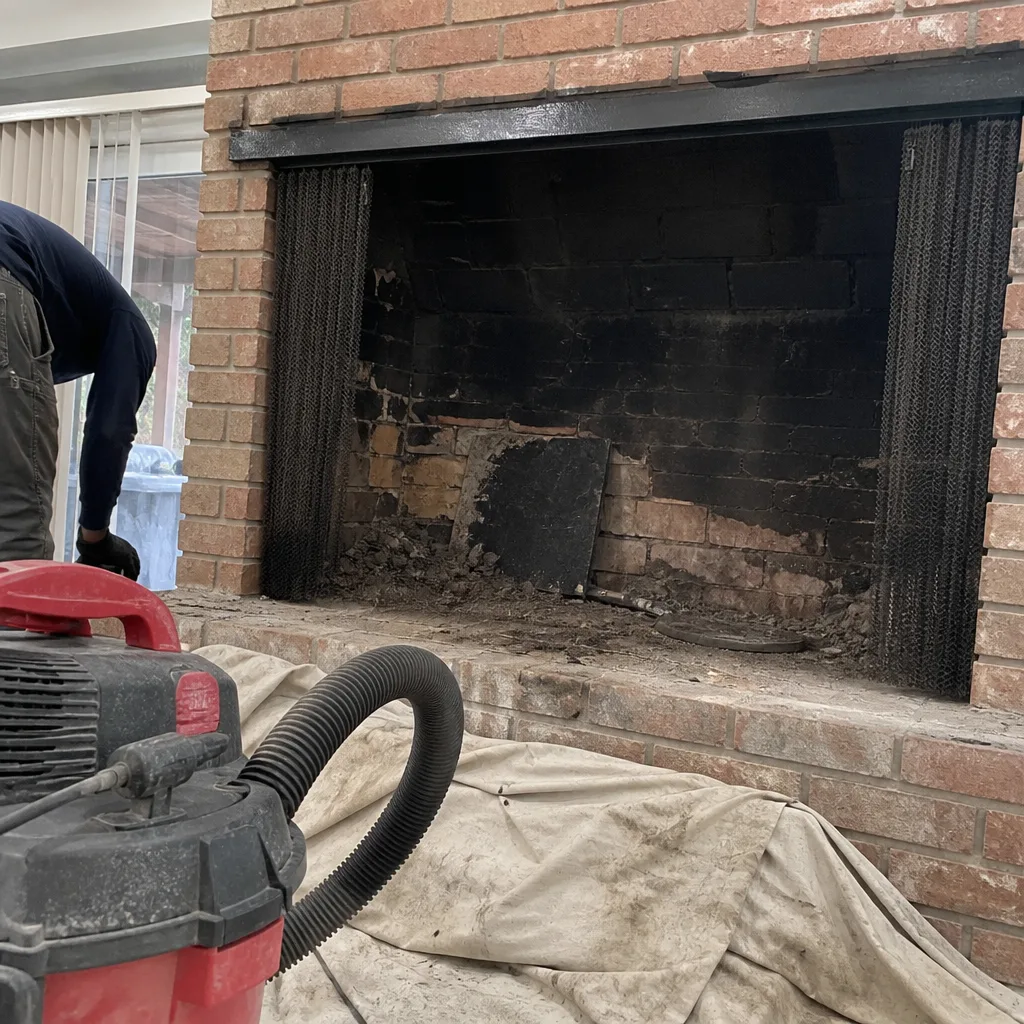 Before
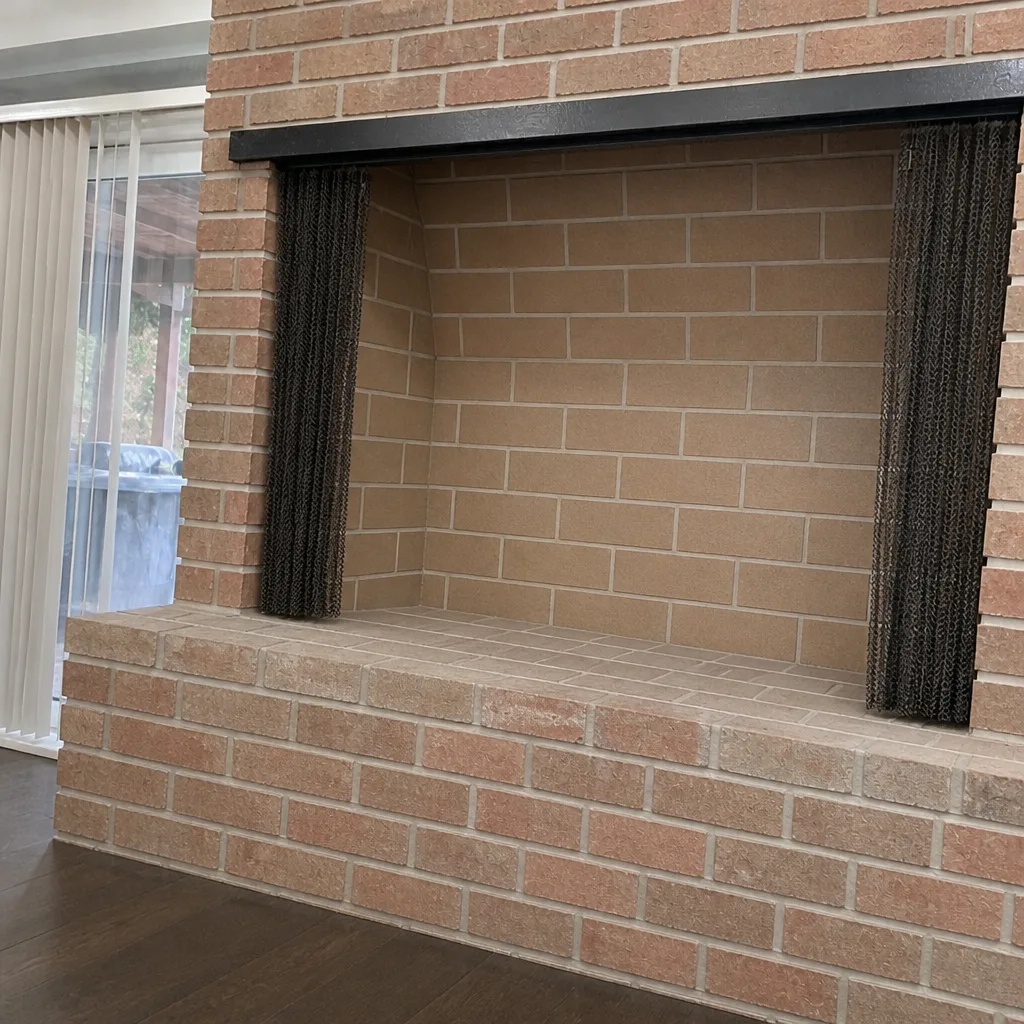 After
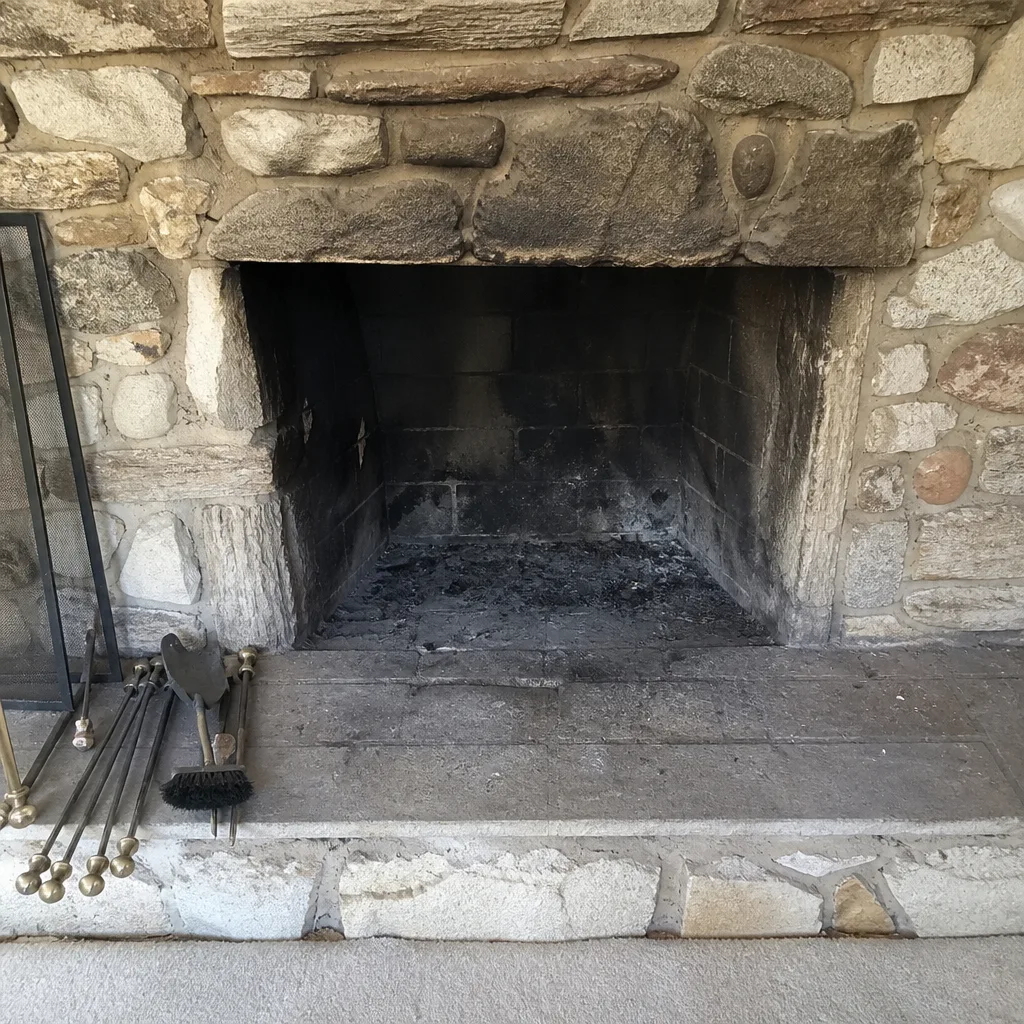 Before
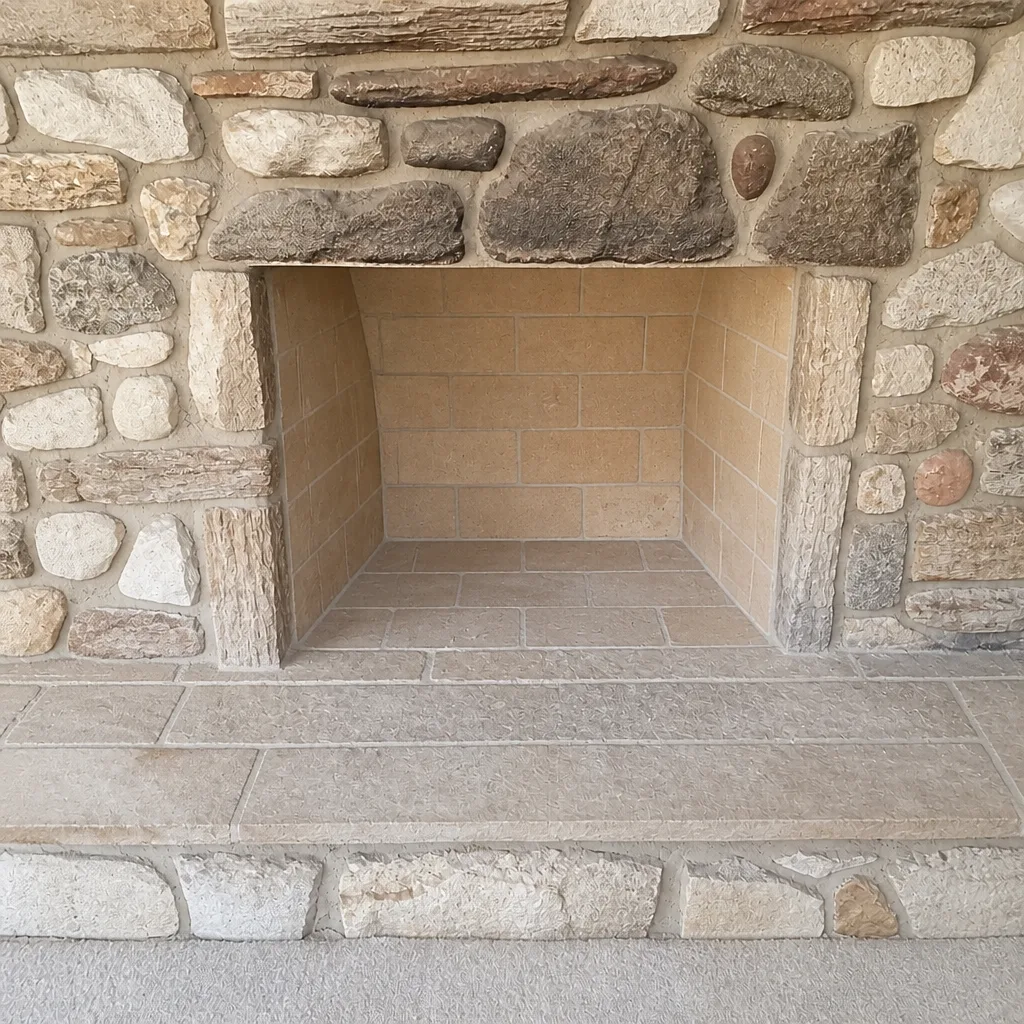 After
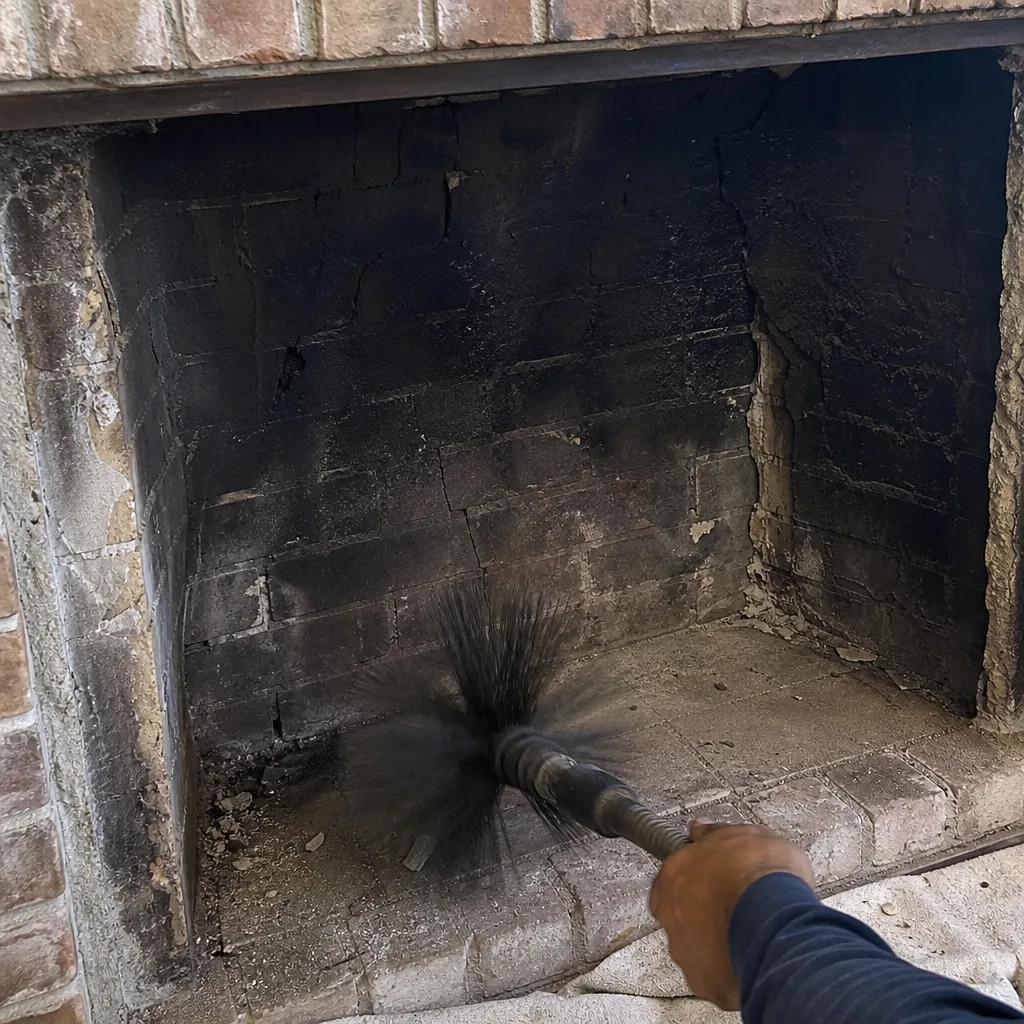 Before
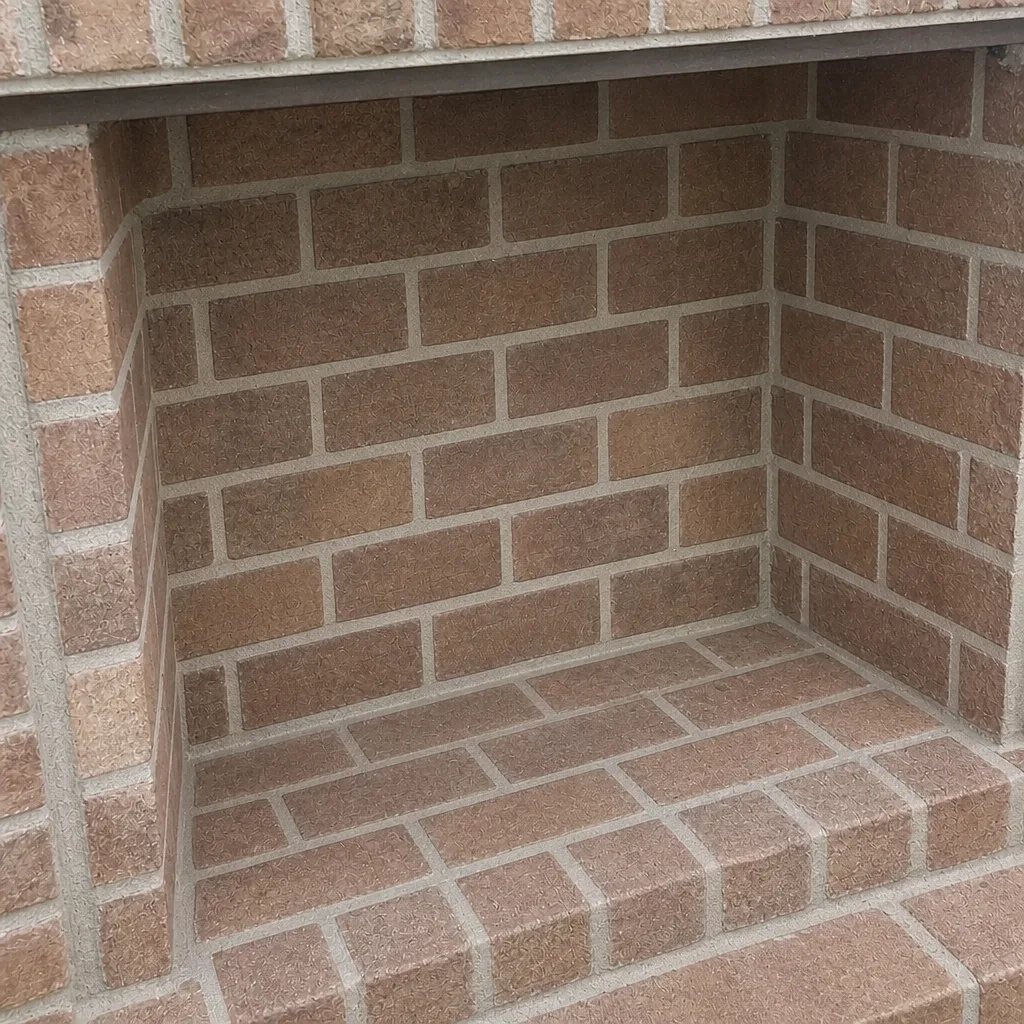 After