
Last updated November 4, 2026
 Sweep & inspection
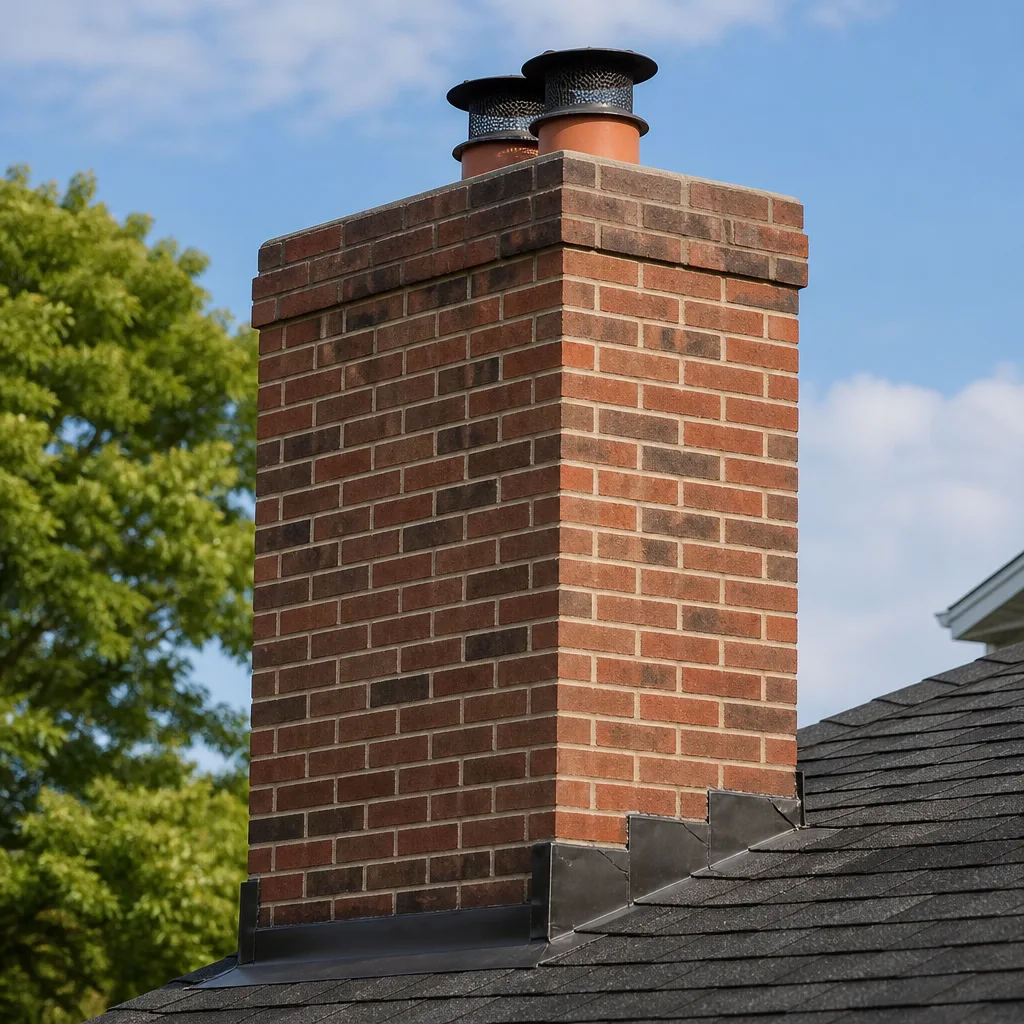
 Caps & crowns
 Flue relining
 Masonry repair
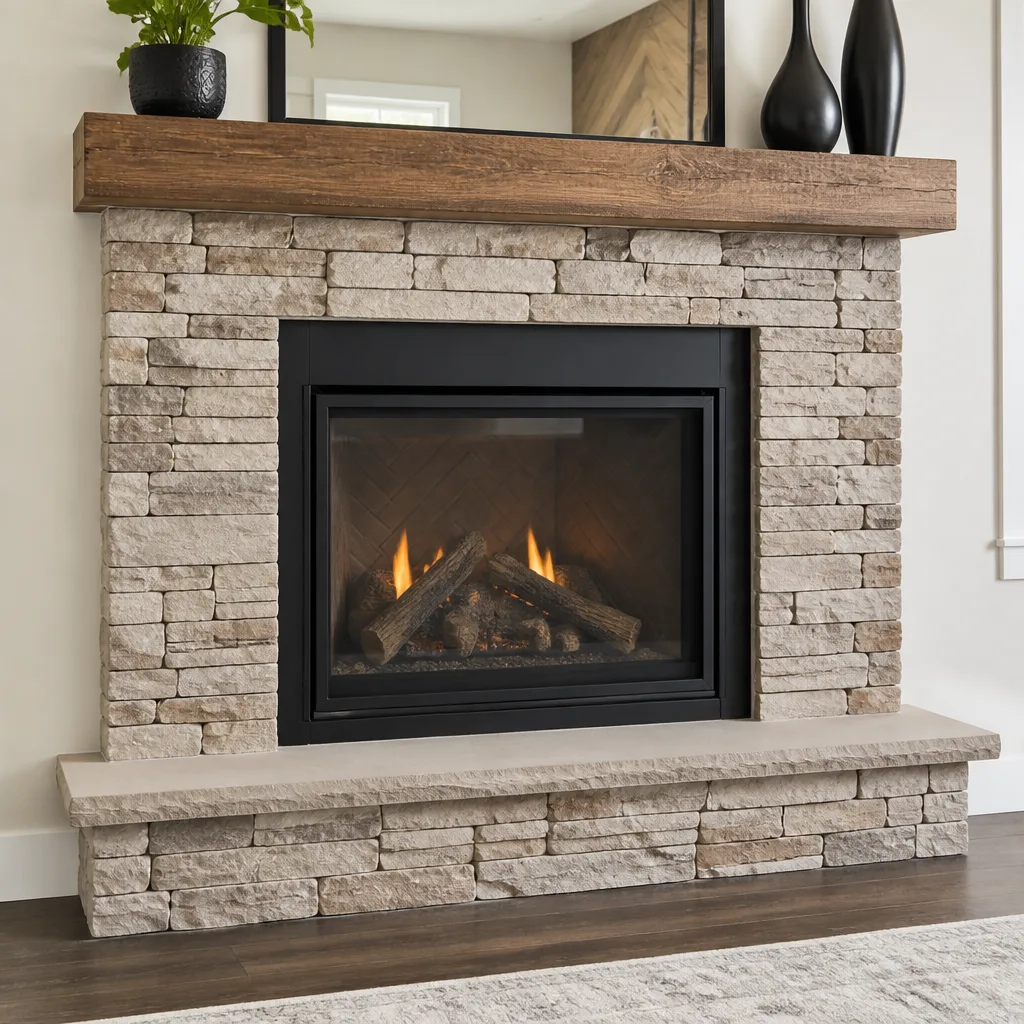 Gas fireplace service
Level 1 sweep and inspection to the NFPA 211 annual standard - flue, crown, cap, and flashing checked and photographed
Chimney sweep logs do not sweep chimneys. They loosen some creosote - which then falls where a brush and vacuum still have to collect it.
The Complete Guide to Chimney Cleaning in Perris
Most Perris homeowners light their fireplace fewer than 20 times a year, and they assume that means their chimney stays fairly clean. The reality is the opposite: low-use fireplaces in Perris often build up glazed creosote faster than frequently used ones in colder climates, because the fires never get hot enough to fully combust the residue they create. This guide explains why the Inland Empire’s dry heat, wildfire ash, and inconsistent burn patterns create a specific set of chimney risks that generic advice misses, and it walks through exactly what a proper cleaning in Perris should include.
Quick Answer
Chimney cleaning in Perris addresses three things at once: creosote buildup from low-temperature wood fires, ash and debris settled in the flue after wildfire season, and blockages that develop in chimneys that sit unused for months. A proper cleaning is not a quick brush-through; it includes a camera inspection of the flue, mechanical brushing, smoke chamber scraping, and firebox vacuuming, followed by a written report that tells you what can wait and what needs repair. Prices vary by chimney size and condition, and any estimate should always be free and set by a written quote, not a phone guess.
Styles & brands we work with
- Sweep & inspection
- Caps & crowns
- Flue relining
- Masonry repair
- Gas fireplace service
Table of Contents
- Why Perris Chimneys Are Different
- What a Proper Cleaning in Perris Includes
- Level 1, Level 2, and Level 3 Inspections Explained
- Wildfire Season and Your Flue
- How to Read Your Technician’s Report
- When Repair Is Required After Cleaning
- Signs Your Chimney Needs Attention Now
Why Perris Chimneys Are Different
Perris sits in the Inland Empire, where summers are long, dry, and hot, and winters are mild. That climate profile changes how chimneys behave. A fireplace that gets used ten or fifteen times between November and February never reaches the sustained high temperatures that a Minnesota fireplace might hit during a January cold snap. That matters because creosote forms in stages, and the later stages, the ones that are genuinely dangerous, harden into a glaze when wood smoke condenses repeatedly at moderate temperatures.
Most of the popular chimney advice online is written for East Coast and Midwest homes, where the rhythm is freeze, thaw, burn every night, and clean every spring. Perris does not follow that rhythm. Homes here often go from occasional winter fires straight into a long dry summer where the chimney sits unused. During that stretch, the creosote that did form in winter doesn’t disappear. It cures. Low humidity in Perris draws the moisture out of the residue, and what was sticky becomes brittle and flaky, or in some cases hardens into a tar-like Stage 2 or Stage 3 glaze that a basic wire brush will skip right over.
There is also the matter of what settles into a flue when nothing is burning. Perris is inland and arid, and the surrounding terrain produces fine dust that moves with the wind. Homes near undeveloped lots, agricultural edges, or the Lake Perris basin see dust entry through chimneys without caps or with damaged caps. Then wildfire season arrives, and that brings a second layer of fine particulate that settles into the flue even on properties where the fireplace is never used. The combination of cured creosote, fine dust, and wildfire ash is a Perris-specific condition. It is why the generic “burn one hot fire a month” guidance, repeated on countless websites, does not fully address the buildup profile here.
What a Proper Cleaning in Perris Includes
A surface-only sweep is a brush pushed up and down the flue for a few minutes, followed by a quick vacuum of the firebox floor. It removes loose soot and nothing else. A proper, full-scope cleaning in Perris goes further, and the difference shows up in the camera footage and the written report.
Here is the sequence for a full cleaning:
- Interior protection setup. The technician lays drop cloths around the hearth and positions a high-volume vacuum so the work does not spread dust into the living space.
- Visual assessment of the firebox and damper. The firebox floor, damper plate, and smoke shelf are checked for heavy buildup, rust, or obstruction before brushing begins.
- Camera inspection of the flue. A waterproof, flexible camera is run from the firebox up to the cap. This captures the condition of the liner, the presence of glazed creosote, and any gaps, cracks, or animal debris. The footage belongs to the homeowner and should be viewable on site.
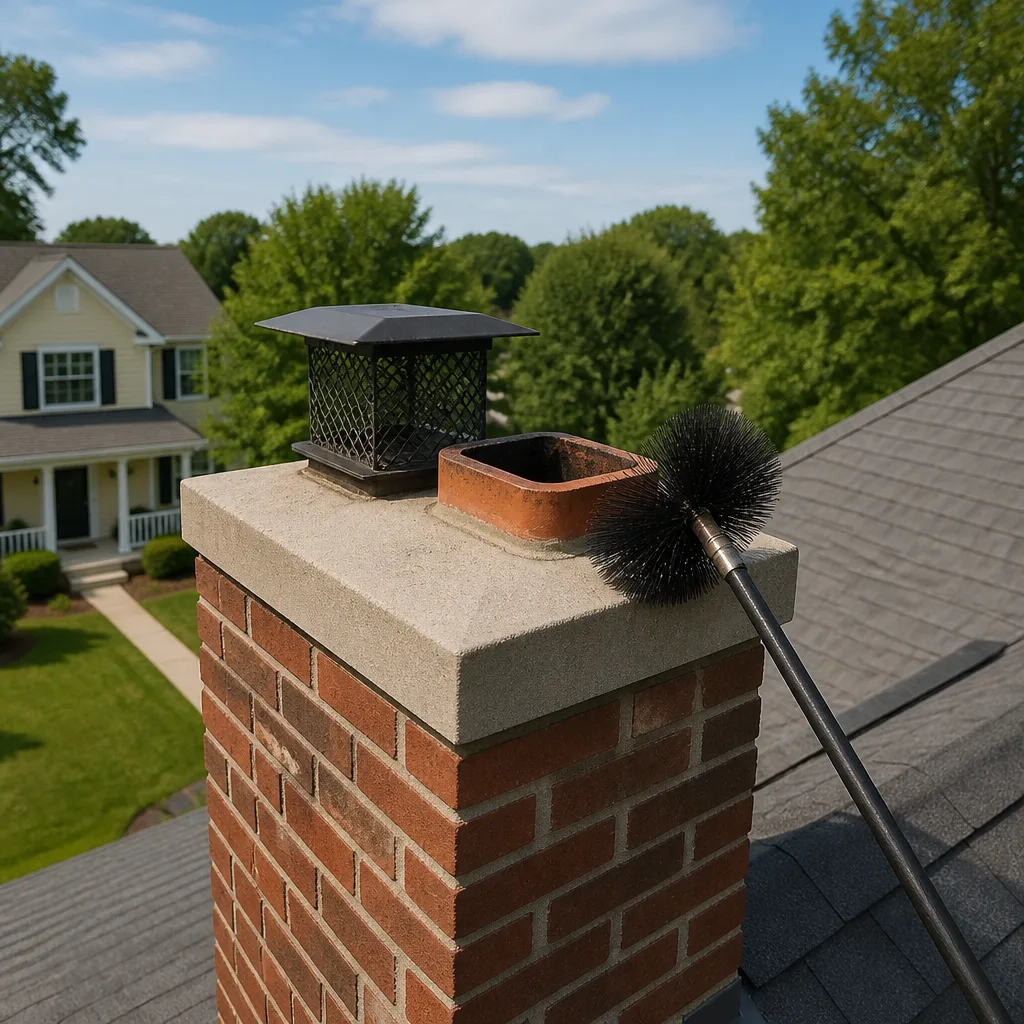
- Mechanical flue brushing. The brush size is matched to the flue diameter, and the flue is scrubbed through its full length. This removes loose soot and kicks creosote down to the smoke chamber and firebox.
- Smoke chamber scraping. The smoke chamber, the area above the damper where the fireplace narrows into the flue, is a common creosote trap. A thorough sweep scrapes this area rather than leaving it untouched.
- Firebox vacuuming. The loosened material is removed from the firebox floor and the ash dump, if one is present.
- Post-cleaning inspection and report. The technician documents what was found, what was removed, and what conditions remain, along with a plain-English priority: monitor, schedule repair, or repair now.
Not every chimney cleaning in Perris needs to be this involved every time, but any cleaning that skips the camera step leaves you guessing about the condition of the flue interior. That is the part of the system you cannot see from the hearth.
The materials used matter too. For repair work that comes out of a cleaning, Chimney Sweep Perris works with professional-grade components from manufacturers like Olympia Chimney, Gelco, and Famco. These are the same brands stocked by chimney supply houses and used by certified specialists, not hardware-store substitutes.
Level 1, Level 2, and Level 3 Inspections Explained
Chimney inspections are categorized into three levels, and the distinction matters because Perris homeowners are often told they need a Level 2 without understanding what that includes.
Level 1 inspection is the visual check done during a routine cleaning when the chimney has not changed in use or performance. The technician looks at the accessible portions of the interior and exterior, verifies that the flue is clear, and confirms there are no obvious signs of damage. For a Perris home that has been cleaned yearly and has not had a wildfire, storm, or chimney event, this is the standard.
Level 2 inspection goes further and includes a camera scan of the flue interior. It is required after a change to the system: a new appliance, a new liner, a property sale, or an event like a chimney fire, earthquake, or severe wind that may have shifted the structure. For Perris homes, the practical trigger is usually one of three things: a real estate transaction, a wildfire that dropped embers or ash onto the property, or a long gap since the last cleaning. After a dry summer with fire activity in the region, a Level 2 camera check is the responsible standard.
Level 3 inspection is rare and invasive. It is used when a hidden problem is suspected and access requires removing part of the chimney or surrounding building material. Homeowners almost never start at Level 3. Most local building departments in the Inland Empire use the same terminology, so when a Perris technician says “Level 2,” that is the industry meaning, not a company invention.
Wildfire Season and Your Flue
Perris does not need to be under an evacuation order for wildfire season to affect a chimney. Fine ash and particulate matter travel well beyond the burn perimeter, carried by the same dry winds that drive the fire. A chimney without a tight-fitting cap, or one with a cap that has rusted through at the mesh, allows that material to enter the flue and settle.
What settles is not just inert ash. Wildfire particulate is often lighter and finer than wood-stove ash, which means it coats the flue walls and mixes with any existing creosote. That mixture is harder to remove and can conceal the condition of the liner beneath. In our experience cleaning Perris chimneys, homes that have not lit a fire in years still show debris accumulation after a significant regional fire season.
The practical step for homeowners is straightforward: after a summer with active fires within the region, have a camera inspection done before the first fire of the season. That inspection determines whether the flue has accumulated wildfire debris and whether cleaning is warranted before use. The same applies to homes with gas fireplaces; the venting still exits through the chimney, and the same debris entry risk applies.
How to Read Your Technician’s Report
A written report after a cleaning in Perris should be more than a receipt. It should describe the condition of the flue in specific terms and sort any findings into two categories: monitor and repair.
Monitor means the technician saw something that is not currently a safety problem but could become one. Examples include early surface rust on a damper, minor hairline cracking in a clay liner that has not opened up, or creosote that was removed this visit but should be checked again next year. A monitor note is not a sales tactic; it is a record for the next visit.
Repair means the finding creates a fire or carbon monoxide risk if left alone. Examples include a cracked flue liner that exposes the chimney structure to heat transfer, a missing or badly deteriorated cap, a damper that no longer seals, or animal nesting material that could not be fully cleared. These items need to be addressed before the next burn, not eventually.
A good report also includes the measurements that matter: flue diameter, liner material, approximate length, and any offsets. Those details matter because a repair recommendation should be tied to a specific measured condition, not a general warning. If a technician recommends a new liner, the camera footage should show you why. If the recommendation is time-sensitive, the report should say what happens if it waits, in plain terms.
When Repair Is Required After Cleaning
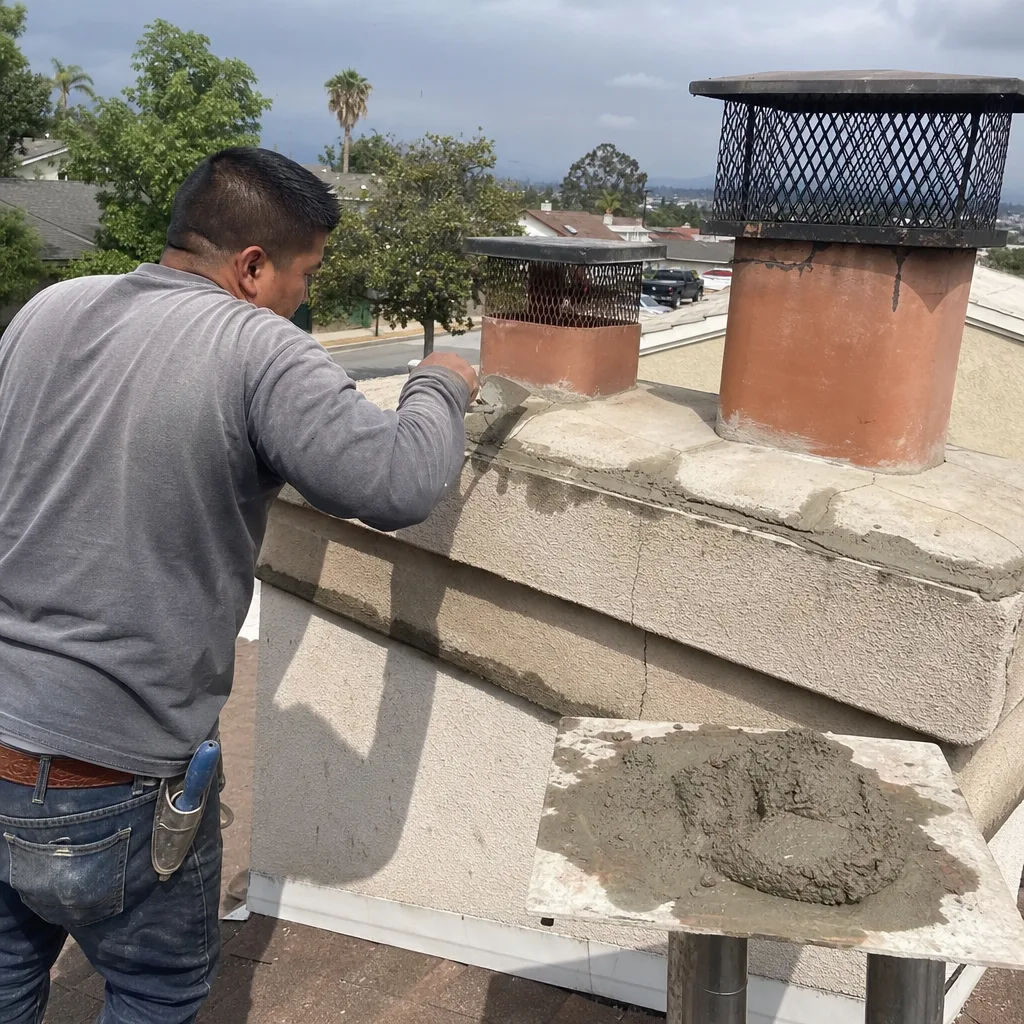
A cleaning sometimes reveals conditions that brushing alone will not fix. In Perris, the most common post-cleaning repair recommendations are liner damage, cap replacement, and chimney crown wear.
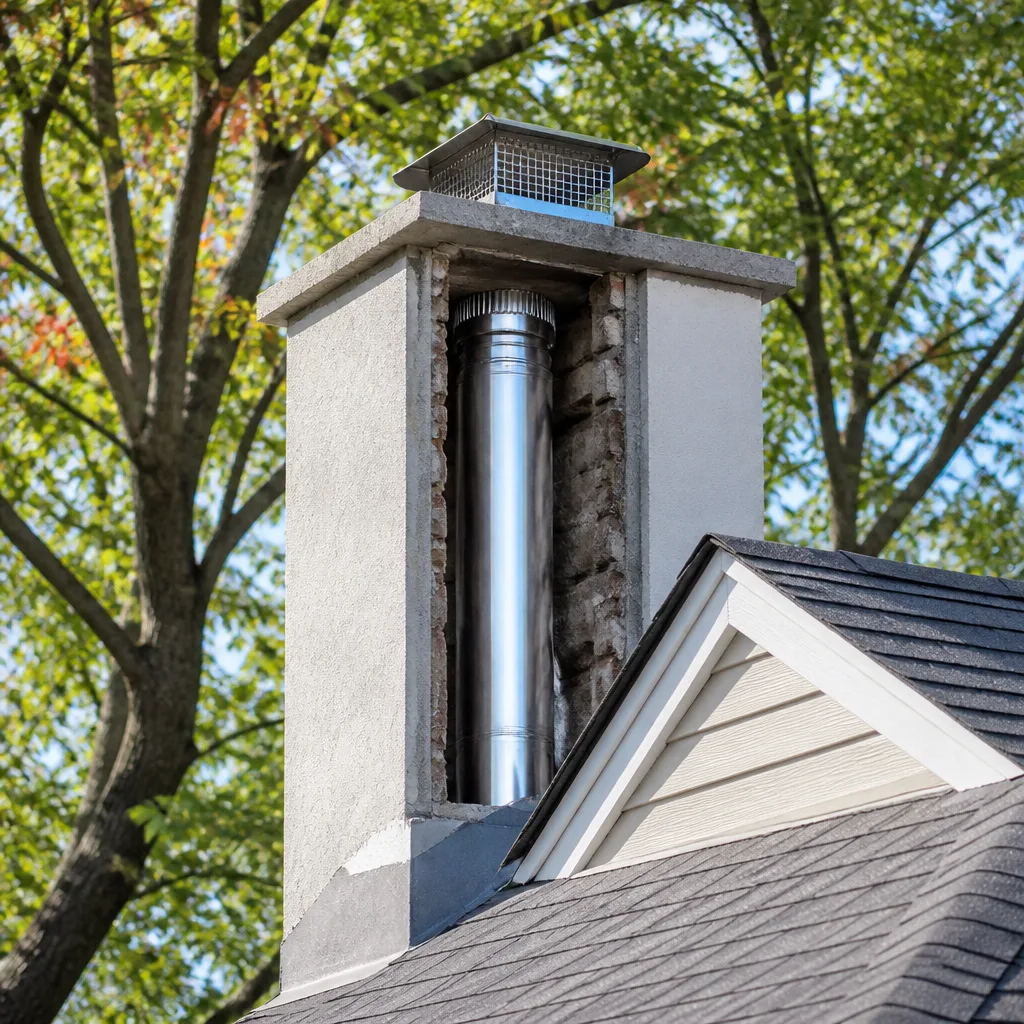
Liner damage shows up on camera as cracks, gaps between flue tiles, or sections of deteriorated clay. A cracked liner is not something to delay; it is the primary barrier between fire heat and the combustible parts of the home. Homeowners in Perris have options, including flexible liner systems that work in older or offset flues where a rigid liner cannot be pulled through. A chimney sweep that also performs repair can often do the relining work on a separate scheduled visit, after the cleaning has been completed and the liner condition documented.
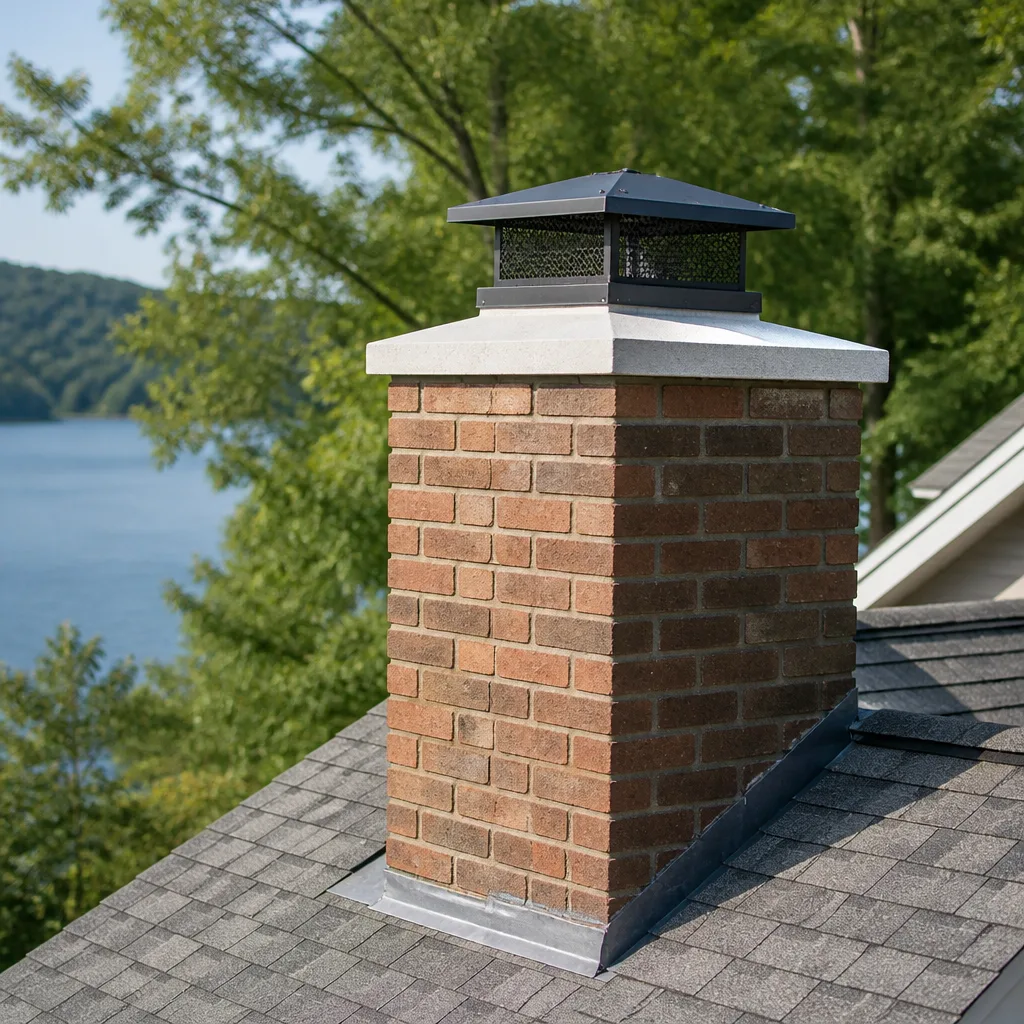
Cap replacement is the most common repair in Perris, because the dry climate accelerates rust on cheaper caps. A cap that has lost its mesh allows birds and wildfire ash into the flue. Replacing it is straightforward and prevents the same debris cycle from repeating.
Crown wear appears as cracking at the top of the chimney, where the concrete or mortar cap meets the flue. In an arid climate, water is less of a driver than UV exposure and prolonged heat, which crack masonry over time. A worn crown allows water from occasional winter rains to penetrate and expand the cracking.
Every repair we recommend comes with camera evidence and a written scope of work. No reputable Perris chimney company should ask a homeowner to approve a liner, cap, or masonry repair without the video that shows why it is needed.
Signs Your Chimney Needs Attention Now
Some conditions are visible without a camera, and Perris homeowners should know what they mean.
- A smell like cooked wood or tar coming from the fireplace in warm weather. Creosote odors get stronger in heat, and a strong stale-burning smell in summer usually means a significant buildup is present.
- Dark, shiny material on the firebox walls or damper. Glazed creosote looks like tar and cannot be brushed off with a household broom.
- Birds, scratching, or nesting sounds in the chimney. Perris has an active bird population, and an uncapped or damaged chimney becomes a nesting site quickly.
- Ash or fine debris falling into the firebox when no one has lit a fire. Wind entry through the cap and flue is carrying dust and debris down into the home.
- Smoke entering the room instead of drafting upward. This can indicate a blockage, animal nesting, or a flue that is too cool to draft properly. It should stop use of the fireplace until inspected.
The correct response to any of these is not another fire to burn off the problem. It is a professional inspection, with a camera, to identify what is actually in the flue.
Common Mistakes to Avoid
- Skipping the camera step to save money. A brush-only sweep in Perris leaves glazed creosote and hidden liner cracks undetected. The camera is not an upsell; it is the only way to see the flue interior.
- Burning manufactured logs as a substitute for cleaning. They burn differently than cordwood and do not remove existing creosote. A chimney sweep is still required.
- Waiting until the first cold evening to call. Perris dealers and chimney services book ahead of the burn season. A cleaning should be scheduled before the fireplace is actually needed.
- Ignoring a cracked cap because the fireplace still works. The cap protects the system from Perris’s wind-blown debris. Damage there creates problems downstream.
- Assuming a gas fireplace chimney never needs cleaning. Gas appliances produce their own combustion byproducts and can develop blockages from exterior debris the same as wood-burning systems.
- Hiring based on price alone without checking the scope. A surface-only sweep costs less and delivers less. Ask what is included before booking.
- Neglecting the dryer vent because “it’s not a chimney.” The same company that handles Chimney Sweep Perris also handles dryer vent cleaning, because both are exhaust systems carrying combustible material, and both are leading household fire risks.
See the difference
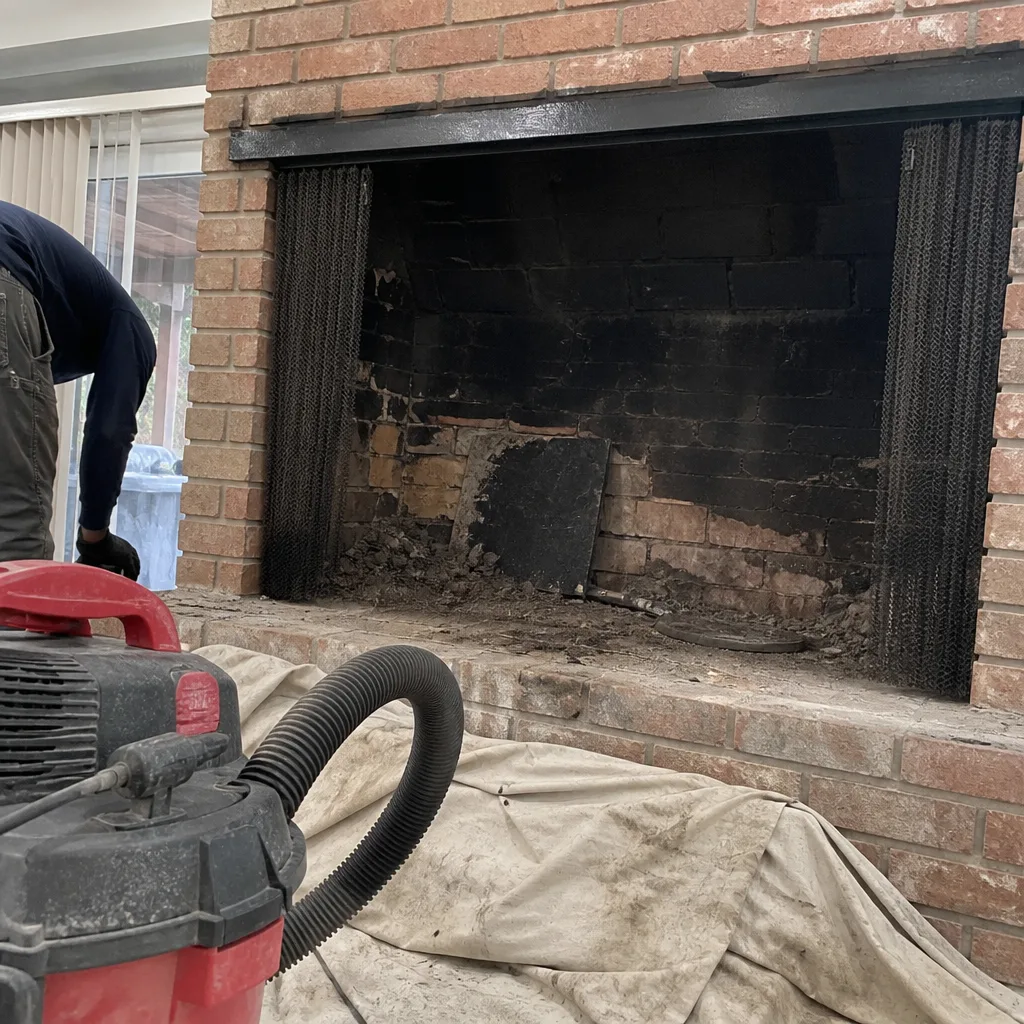 Before
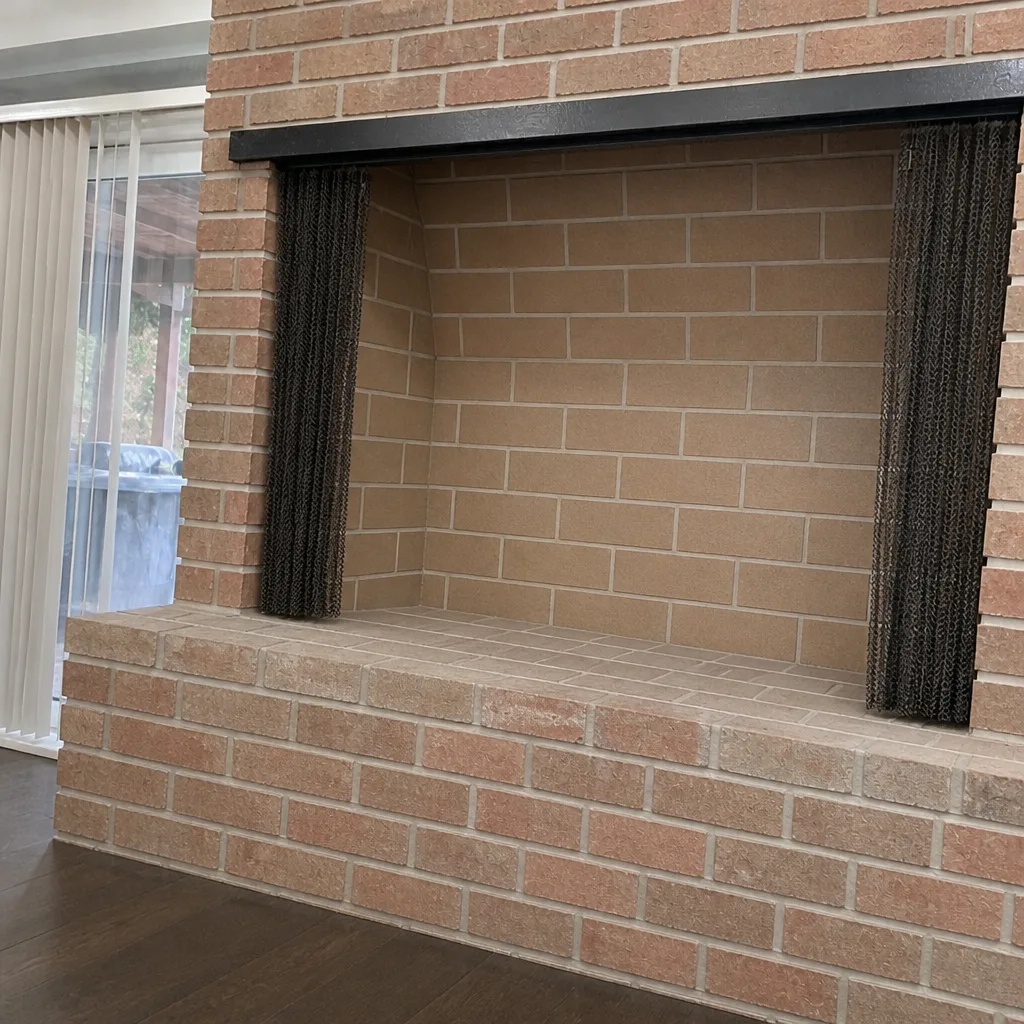 After
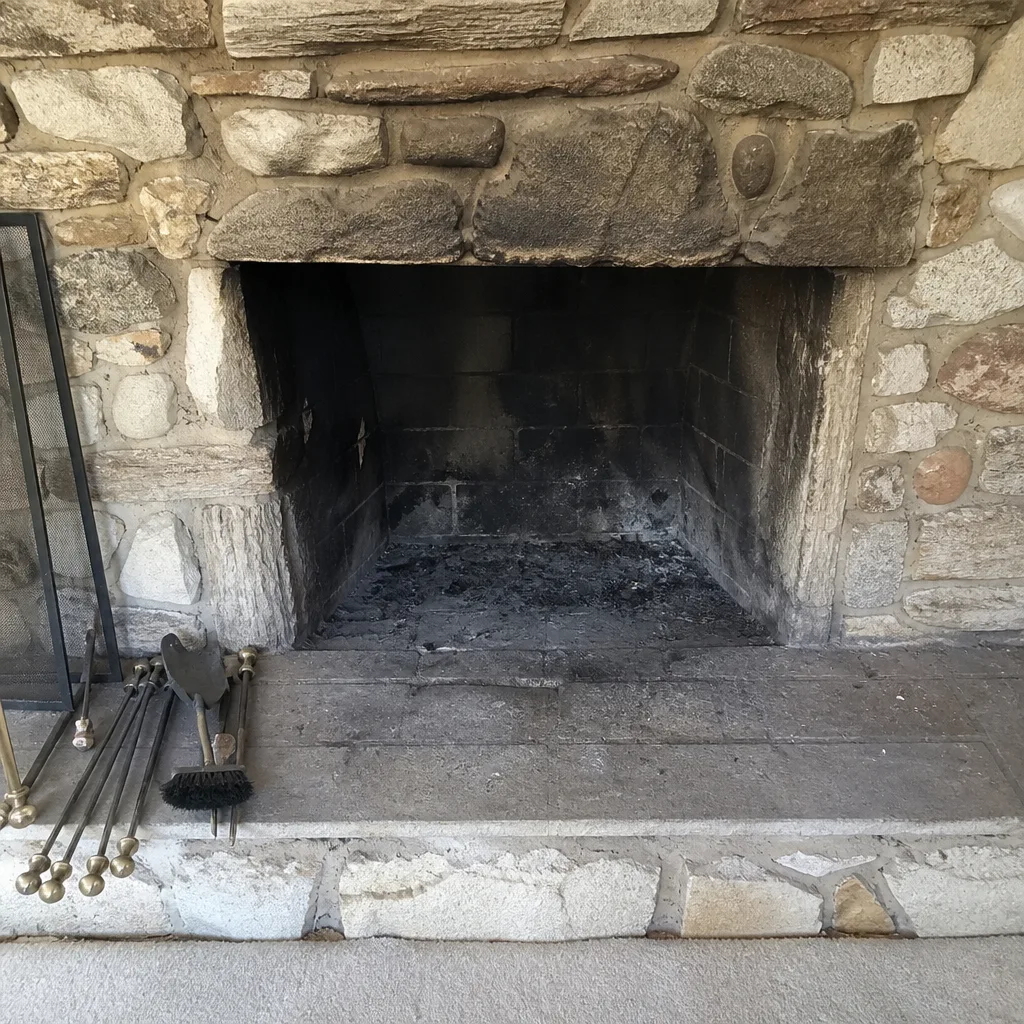 Before
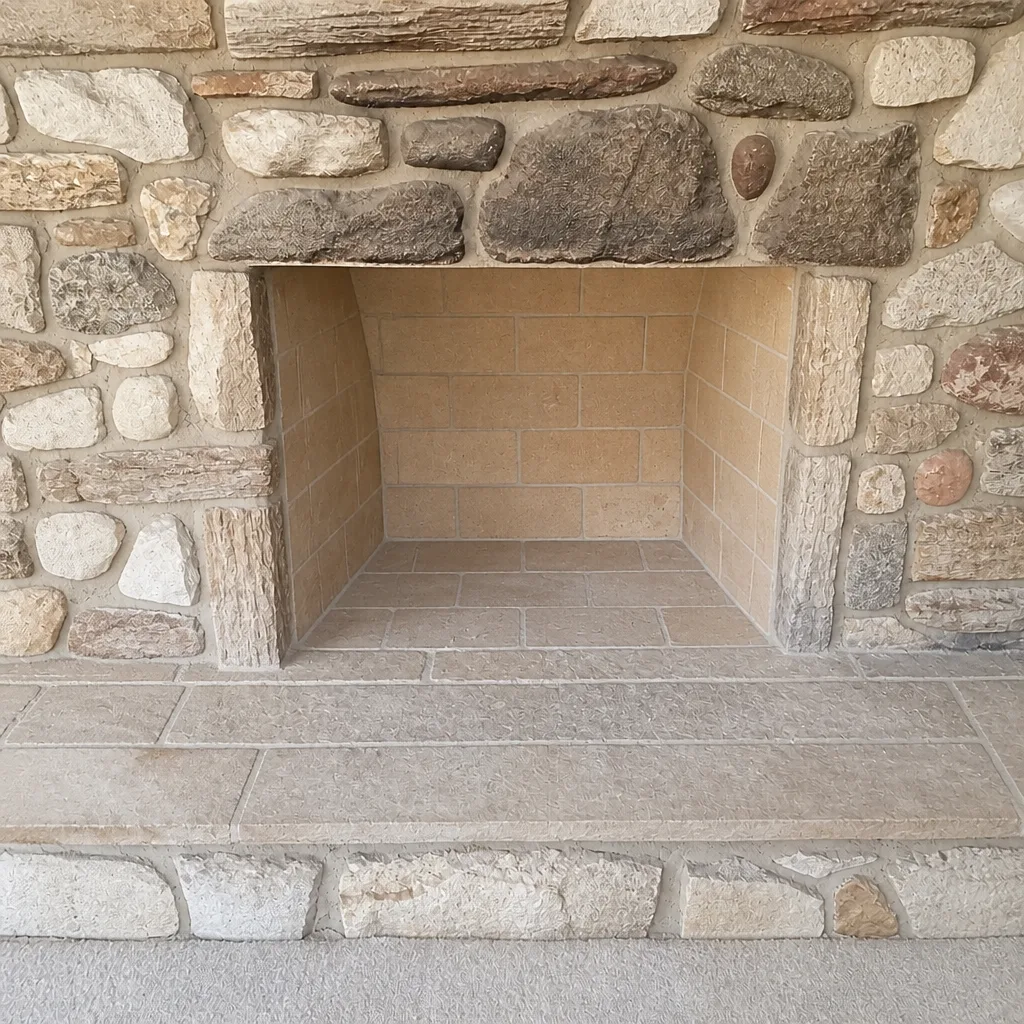 After
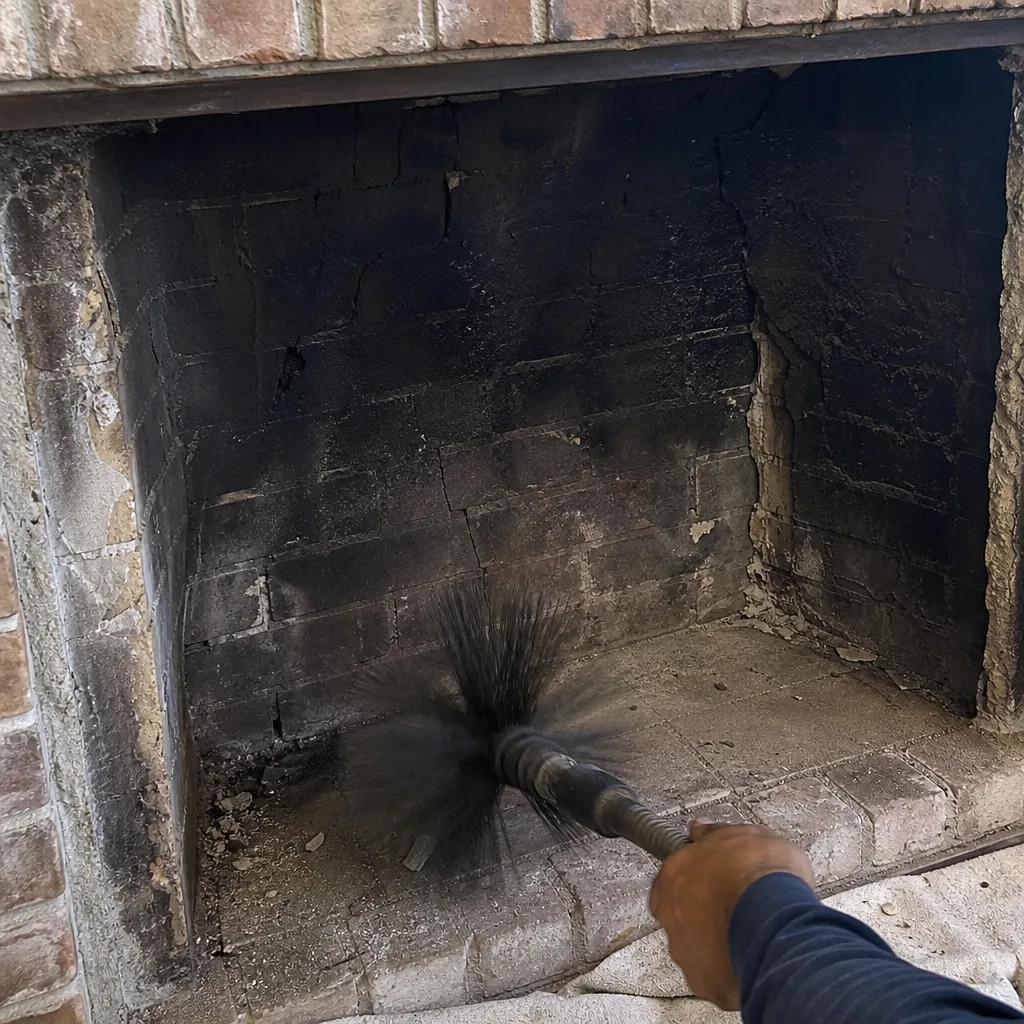 Before
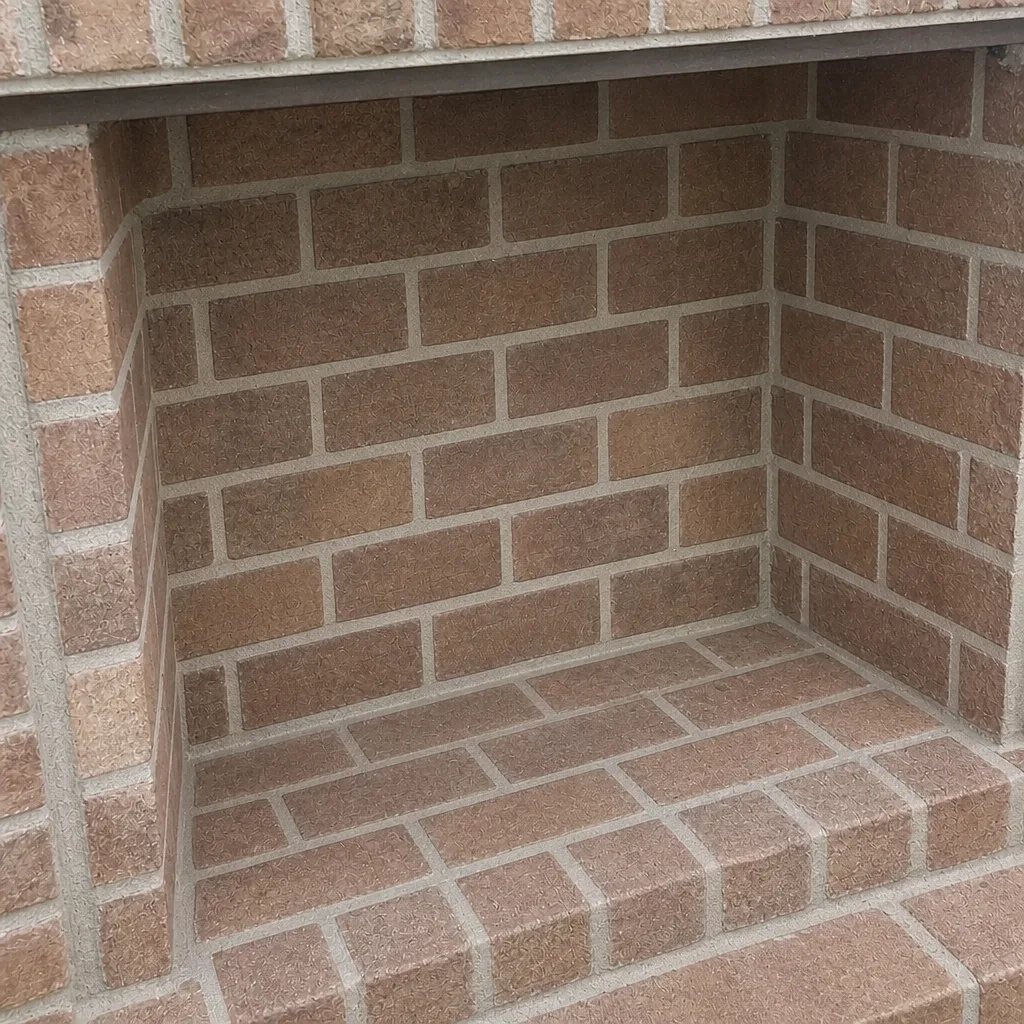 After
When to Call a Professional
You should call a professional chimney company in Perris when your fireplace has not been inspected in over a year, when you smell creosote in warm weather, when wildfire ash has settled in your area, when birds have nested, or when you are buying or selling a home. Do not attempt to scrape glazed creosote yourself; it requires the right tools and a way to contain the material without spreading it through the house. Do not burn the fireplace if smoke is entering the room or if the cap is visibly damaged.
Chimney Sweep Perris offers free estimates in Perris and service along with Chimney Sweep Perris home safety work. Call (833) 593-5414. We answer 24/7. Fast dispatch from 7am to 7pm, Sunday through Friday.
Frequently Asked Questions
How often should a chimney be cleaned in Perris?
A chimney in Perris should be inspected at least once a year, even if the fireplace is used only a handful of times, because low-use fires and wildfire season each leave buildup. The cleaning follows the inspection findings. Call (833) 593-5414 to schedule a check before burn season, and we answer 24/7.
How much does chimney cleaning cost in Perris?
The cost depends on the flue size, the amount of buildup, and whether glazed creosote or animal debris must be removed. A flat, written estimate is set after seeing the chimney. To get an exact quote for your home, call (833) 593-5414.
Do I really need a camera inspection, or is a brush enough?
A camera inspection is the only way to see the flue interior, where cracking, glazed creosote, and hidden blockages live. A brush removes surface soot and nothing else. The two are different jobs, and a proper chimney cleaning includes both. Call (833) 593-5414 to schedule both in one visit.
What does glazed creosote look like, and why is it dangerous?
Glazed creosote looks like a hard, shiny black coating on the flue or smoke chamber. It burns at a higher temperature than loose soot and is the leading cause of chimney fires. A standard wire brush will not remove it, which is why specialty scraping or chemical treatment is sometimes required.
Does wildfire ash really get into a chimney if I never use my fireplace?
Yes. A chimney is an open vertical passage, and wind-carried ash in Perris can enter through a damaged or open cap and settle inside the flue even when the fireplace has been dormant. A cap inspection after fire season is a simple safeguard.
Is it safe to use my fireplace if the inspection found a cracked liner?
No. A cracked liner exposes the chimney and surrounding structure to heat and combustion byproducts. The fireplace should not be used until the liner is repaired or replaced. We can show you the camera footage and then give you options. Call (833) 593-5414 for a free estimate.
The Bottom Line
A chimney cleaning in Perris is different from one in a cold-weather city, and the difference is in the details: low-temperature fires that create stubborn creosote, dry summers that cure it into a glaze, and wildfire seasons that deposit fine debris into flues on homes that never light a fire. The response is the same every year: a camera inspection, a thorough mechanical cleaning that includes the smoke chamber and firebox, and a written report that separates monitoring from repair. For more on chimney sweep work or dryer vent cleaning in the area, see our service pages. If you’re in the region, learn more about the Perris service area.
Written by the team at Chimney Sweep Perris, serving Perris since 2013.